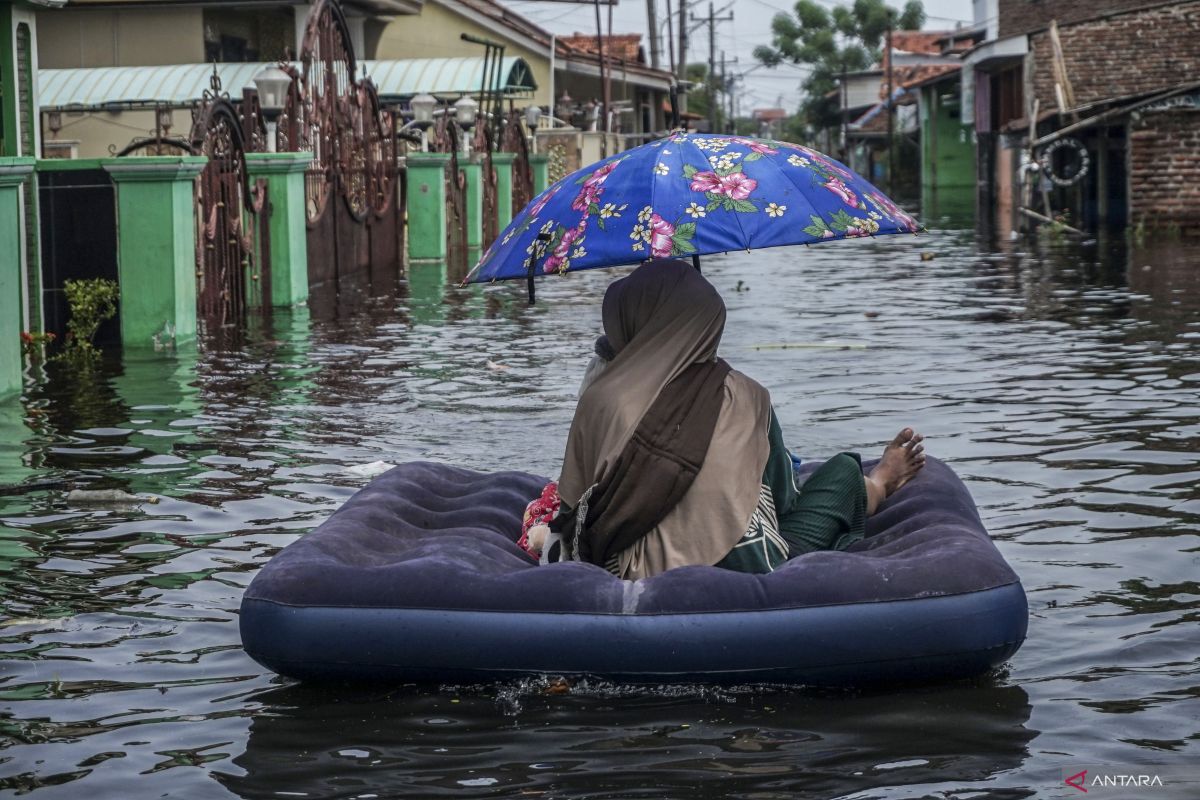
The Indonesian government has initiated a thorough review of the flood management plan in the Pekalongan area, located in Central Java, in response to the recurring floods that have plagued the region. This step comes after floods have severely affected the lives of local residents, prompting authorities to take urgent measures to protect the community.
Reports indicate that flooding in Pekalongan has increased in frequency over recent years, leading to property destruction and the displacement of many families. Through this review, the government aims to enhance water management strategies and develop the necessary infrastructure to combat these natural disasters.
Details of the Initiative
The new government plan focuses on improving the sewage system and expanding river channels, including the Brime River, which is among the most affected areas by flooding. An additional budget has been allocated to support projects aimed at enhancing the region's capacity to withstand floods.
These measures come at a critical time, as many areas in Indonesia are experiencing the impacts of climate change, which exacerbates flooding. The government hopes that these plans will help reduce the damage caused by floods in the future.
Background & Context
Historically, the Pekalongan area has been prone to flooding due to its geographical location and climate change. The region has witnessed several natural disasters in recent years, resulting in loss of life and property destruction. Flooding is one of the major environmental issues facing Indonesia, affecting many large cities.
In recent years, the Indonesian government has taken numerous steps to address this phenomenon, including improving early warning systems and developing climate adaptation strategies. However, challenges remain, necessitating further efforts and collaboration between the government and local communities.
Impact & Consequences
Flooding in Pekalongan significantly impacts the local economy, leading to the destruction of agricultural crops and damage to infrastructure. This adversely affects the lives of residents, as many struggle to return to their normal lives after each flooding event.
An analysis of the current situation suggests that improving water management and infrastructure can greatly contribute to reducing the damage caused by floods. Additionally, raising community awareness about how to cope with natural disasters is an important step in this direction.
Regional Significance
Although flooding in Indonesia may seem distant from the Arab region, there are lessons to be learned. Many Arab countries face similar environmental challenges, such as drought and sudden flooding. Therefore, sharing experiences and collaborating in disaster management can have a positive impact on Arab communities.
In conclusion, the review of the flood management plan in Pekalongan represents a crucial step towards protecting local communities. It requires a concerted effort between the government and citizens to achieve effective results.