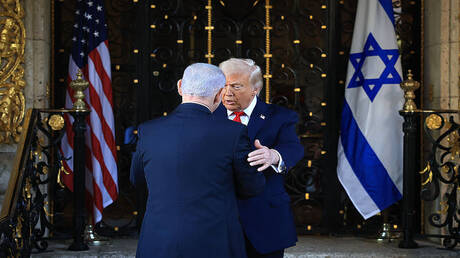
Public pressure in the United States against the Iranian war is prompting Washington to reconsider its strategy towards Israel. This was emphasized by Paul Pillar in an article published in National Interest, where he noted that the intense reactions from American citizens regarding the Iranian war could significantly impact US-Israel relations.
In light of escalating tensions in the Middle East, it has become essential for the United States to reassess its stance on Israel, especially amid increasing criticism from broad segments of the American populace. These criticisms come at a sensitive time, as fears grow that the Iranian war could lead to greater escalation in the region, negatively affecting American interests.
Details of the Situation
All eyes are on how the US administration will respond to this public pressure. The United States has witnessed widespread protests against the Iranian war, with demonstrators expressing their concerns about the implications of this war on American national security. Additionally, there are growing calls from some American politicians to reconsider military and financial support for Israel amid rising tensions.
Paul Pillar believes that these shifts in public opinion could lead to radical changes in American foreign policy. History indicates that American public opinion has had a significant impact on political decisions, especially those related to foreign policy.
Background & Context
US-Israel relations date back decades, with the United States considering Israel a strategic ally in the Middle East. However, these relations have not always been free of tensions. Recent years have seen a rise in criticism directed at Israel due to its policies towards the Palestinians, affecting Israel's image in the Arab world and also in the United States.
In recent years, as conflicts in the region have escalated, US-Israel relations have become more complex. The Iranian war represents a new challenge, with growing fears that it could lead to greater escalation in the conflict, placing the US administration in front of new challenges.
Impact & Consequences
If public pressure on the US government continues, we may witness changes in American foreign policy towards Israel. This could include a reduction in military or financial support, or even a reassessment of military strategies in the region. Moreover, these changes could affect relations with Arab countries, which are closely monitoring how the United States will handle the situation in the Middle East.
The potential consequences of this pressure could also include changes in regional alliances. Arab countries may find in these changes an opportunity to strengthen their relations with the United States or even reconsider their policies towards Israel.
Regional Significance
US-Israel relations are a key pivot in Middle Eastern politics. Any changes in these relations could directly affect the situation in the Arab region. Arab countries seeking peace and stability may find in these changes an opportunity to enhance their position in negotiations with Israel.
Furthermore, any escalation in the Iranian conflict could lead to negative repercussions on regional security, prompting Arab countries to take clear stances regarding these developments. Ultimately, US-Israel relations are not merely a bilateral issue; they are a matter that affects stability throughout the entire region.
In conclusion, it is evident that public reactions to the Iranian war represent an opportunity to reassess US-Israel relations. This opportunity could lead to positive changes in American foreign policy, reflecting on stability in the region.