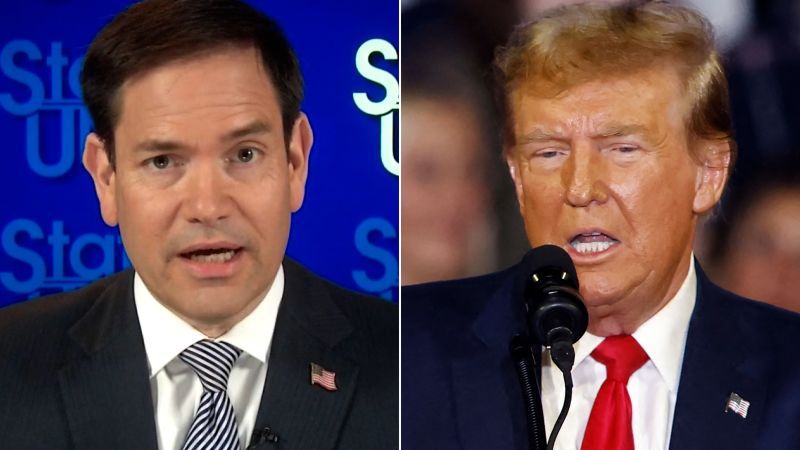
US Secretary of State Marco Rubio stated in remarks made on Tuesday that the United States will need to reassess its relationship with the North Atlantic Treaty Organization (NATO) after the conclusion of the war with Iran. These statements come at a time when tensions in the region are escalating, raising concerns among allies about the future of military cooperation.
Rubio's comments serve as a signal of a potential shift in US strategy towards NATO, which is considered one of the most important military alliances in the world. He indicated that the end of the conflict with Iran could open the door for a reevaluation of the roles and commitments the United States has towards the alliance.
Details of the Statement
Rubio's remarks come at a sensitive time, as fears grow over the escalation of conflict in the Middle East, particularly with the ongoing tensions between the United States and Iran. Rubio expressed concern that this war could affect the United States' ability to commit to its NATO allies, potentially leading to a reconsideration of how military and political relationships are managed in the future.
He also noted that the United States needs to be more flexible in its response to global challenges, especially those posed by countries like Iran. This approach may reflect a desire to reassess American priorities in foreign policy, particularly in light of rapidly changing geopolitical dynamics.
Background & Context
NATO was established in 1949 as a military alliance aimed at countering Soviet threats and has since evolved to include 30 countries today. However, relations between the United States and NATO member states have experienced fluctuations, especially in recent years.
In recent years, some American leaders have criticized their NATO allies for not meeting required financial targets, raising questions about the United States' commitment to the alliance. Rubio's statements come in this context, where they could indicate a shift in how the United States engages with its allies in the future.
Impact & Consequences
If this new direction is implemented, it could significantly impact relations between the United States and its NATO allies. This might lead to increased tensions within the alliance, as some members may feel insecure due to the lack of clarity regarding American commitments.
Furthermore, reassessing the relationship with NATO could lead to changes in the defense strategies of member states, potentially creating instability in the region. This approach may also open the door for other countries, such as Russia, to enhance their influence in areas that were previously under NATO protection.
Regional Significance
For the Arab region, any changes in US policy towards NATO could affect regional dynamics. Some Arab countries that rely on American support may feel anxious about potential shifts in US military strategy.
The ongoing conflict with Iran could further complicate the situation in the region, as it may escalate tensions between Arab states and Iran. In this context, Arab countries may need to reassess their security and military strategies to face new challenges.
In conclusion, Rubio's statements raise questions about the future of US relations with its NATO allies, especially amid increasing tensions with Iran. It is crucial to monitor developments in this matter, as they could have profound implications for regional and international stability.