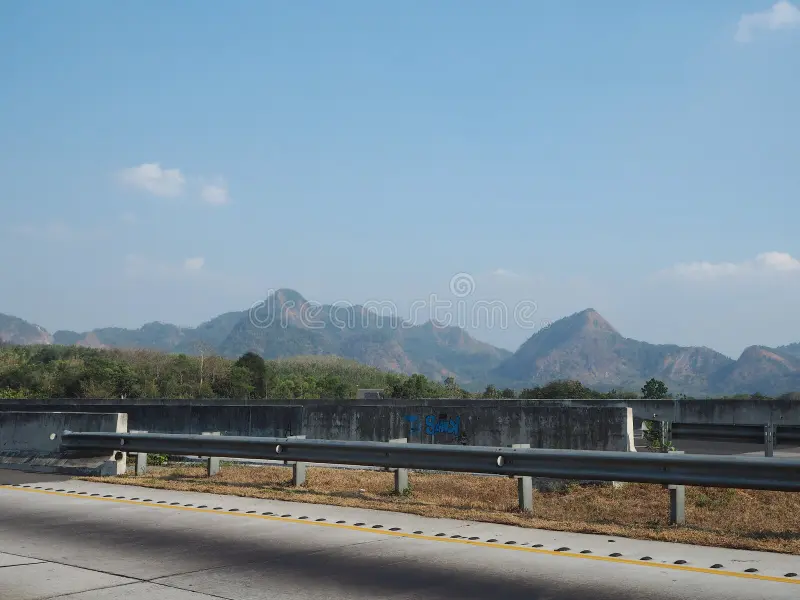
The Cipali-Palembang Road Management in Indonesia has recorded heavy traffic, with the number of vehicles crossing the road reaching between 3,000 to 3,500 vehicles per hour on Sunday. This increase in traffic comes during a weekend holiday, which typically sees a rise in travelers on major roads.
These figures indicate a growing trend in traffic congestion in Indonesia, as many citizens seek to spend their holidays in tourist areas. Reports have shown that this increase in vehicle numbers also reflects the country’s economic growth, leading to a higher usage of transportation.
Event Details
Data indicates that the road management recorded these numbers during the weekend, a time that usually sees an uptick in traffic. Additional measures have been taken by authorities to improve traffic flow and alleviate congestion, including increasing the number of checkpoints and providing traffic information to travelers.
The Cipali Road is considered one of the most important highways in Indonesia, connecting several major cities and heavily used by travelers. With the rising number of vehicles, authorities face significant challenges in managing traffic and ensuring the safety of travelers.
Background & Context
Historically, Indonesia has experienced a continuous increase in the number of vehicles on the roads, exacerbating the traffic congestion problem. In recent years, the government has launched projects to improve road infrastructure and expand the transportation network, but these efforts have not been sufficient to meet the growing demand.
As one of the largest economies in Southeast Asia, Indonesia's economic growth has led to an increase in the number of cars and vehicles. This growth necessitates an effective government response to develop the transportation system and improve public services.
Impact & Consequences
The increase in traffic directly affects the quality of life in major cities, where residents face daily challenges due to congestion. Additionally, traffic congestion impacts the economy, leading to higher transportation costs and delays in the delivery of goods.
Moreover, traffic congestion has environmental implications, contributing to increased carbon emissions and deteriorating air quality. Therefore, addressing this issue requires comprehensive strategies that include improving public transportation and encouraging the use of alternative transport methods.
Regional Significance
Traffic congestion is a common issue in many Arab countries, with major cities like Cairo and Beirut facing similar challenges. Indonesia's experience in traffic management may offer valuable lessons for Arab nations on how to enhance infrastructure and develop transportation systems.
Addressing these challenges requires collaboration between governments and local communities, along with investments in sustainable transportation projects. Improving the transportation system can contribute to enhancing economic and social development in the region.