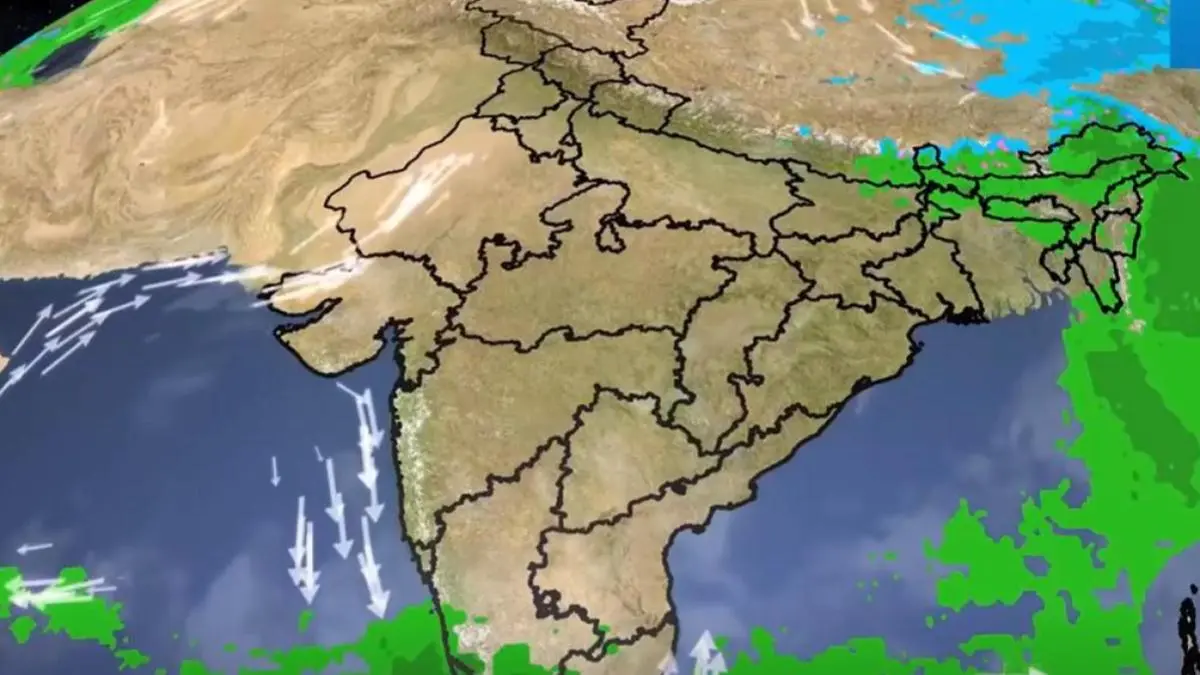
The Saudi Ministry of Environment, Water, and Agriculture has recorded heavy rainfall in six different regions, with the province of Thar in Najran leading with 27.4 mm of rain. This rainfall is a result of significant climatic changes and was measured through 24 monitoring stations distributed across the kingdom.
This rainfall is considered a blessing for agriculture and farmers in the region, as it contributes to improving crops and enhancing water reserves. Additionally, the rainfall serves as an indicator of improved climatic conditions following periods of drought.
Event Details
According to reports, varying amounts of rainfall were recorded in other regions, with the following amounts: Najran, Thar, 27.4 mm, followed by other regions such as Aseer and Jazan. These amounts indicate notable atmospheric activity in the region, necessitating close monitoring by relevant authorities.
The distribution of rainfall was uneven, with lower amounts observed in some areas, reflecting varying climatic conditions. The rainfall that fell in Najran is among the highest, showcasing the impact of weather factors on this region.
Background & Context
Historically, the Kingdom of Saudi Arabia has experienced significant climatic fluctuations, influenced by a rainy season that varies from year to year. In recent years, there have been increasing efforts by the government to improve water management and adapt to climatic changes.
Rainfall during the winter season is a crucial element in supporting agriculture and securing water, making it a significant concern for farmers and local authorities. Furthermore, global climatic changes cast shadows on weather patterns in the kingdom, necessitating effective adaptation strategies.
Impact & Consequences
Heavy rainfall has both positive and negative effects. On one hand, it contributes to improving agricultural crops and increasing water reserves, thereby enhancing food security. On the other hand, it may lead to floods and flash floods in some areas, requiring safety precautions.
These changing climatic conditions demand a swift response from government entities, including disaster management and emergency services, to ensure the safety of citizens and mitigate potential damages.
Regional Significance
The rainfall in Najran is part of a broader pattern of climatic changes affecting the Arab region as a whole. Many Arab countries face similar challenges, being influenced by the rainy season and climatic changes.
These challenges require regional cooperation to address the impacts of climate change, including the exchange of knowledge and experiences in managing water and agricultural resources.
In conclusion, the rainfall in Najran serves as an indicator of the importance of adapting to climatic changes, highlighting the need for effective strategies to ensure the sustainability of natural resources in the region.