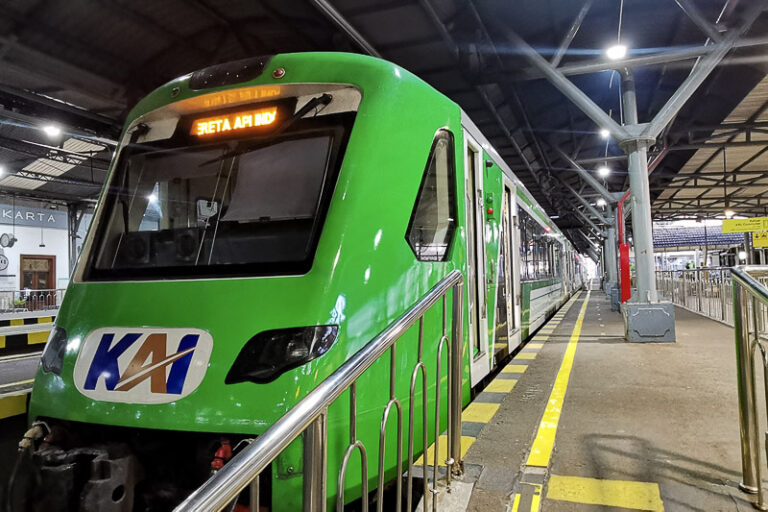
The airport train management in Yogyakarta has reported a record number of passengers, with around 12,000 travelers utilizing public transport services during the peak return period after Eid al-Fitr on March 29, 2026. This figure indicates a significant increase in citizens' interest in public transportation, demonstrating their trust in the efficiency and speed of this service.
According to statements from Purwanto Handri Nugroho, the General Manager of the airport train, the number of passengers using the Yogyakarta International Airport service reached approximately 7,500 travelers, while the YIA Xpress service recorded around 4,500 travelers. These numbers suggest that the train has become the preferred choice for travelers.
Event Details
During the period from March 13 to March 29, 2026, the total number of users of the airport train in Yogyakarta was approximately 180,000 passengers. This substantial increase in the number of travelers reflects an improvement in transportation flow during the Eid al-Fitr period, particularly during the return phase.
Nugroho noted that March 29 was the busiest day, indicating that the airport train remains the top choice for travelers seeking a safe and efficient means of reaching the airport.
Background & Context
Yogyakarta is considered one of the main tourist destinations in Indonesia, attracting many local and international visitors. With the increasing number of travelers, it has become essential to enhance public transportation services to meet the public's needs. The airport train service was launched as part of government efforts to improve transportation infrastructure and facilitate access to the airport.
Historically, Indonesia has seen a rise in the use of public transportation during holiday periods, as people seek to avoid traffic congestion. This service has contributed to reducing the time taken to reach the airport, making it a preferred option for many.
Impact & Consequences
The increasing numbers of airport train users highlight the importance of this mode of transportation in enhancing the travel experience. Additionally, the growing trust in public transportation may lead to further investments in this sector, contributing to infrastructure development and service improvement.
Moreover, the success of the airport train in Yogyakarta could serve as a model for other Indonesian cities, potentially helping to alleviate traffic congestion and improve the quality of life in urban areas.
Regional Significance
The experience of Yogyakarta in enhancing public transportation services is particularly significant for Arab countries, which face similar challenges in transportation. Arab nations can benefit from this experience to develop their public transportation systems, facilitating the movement of citizens and visitors.
Furthermore, strengthening public transportation can contribute to achieving sustainable development goals by reducing carbon emissions and improving air quality in cities.