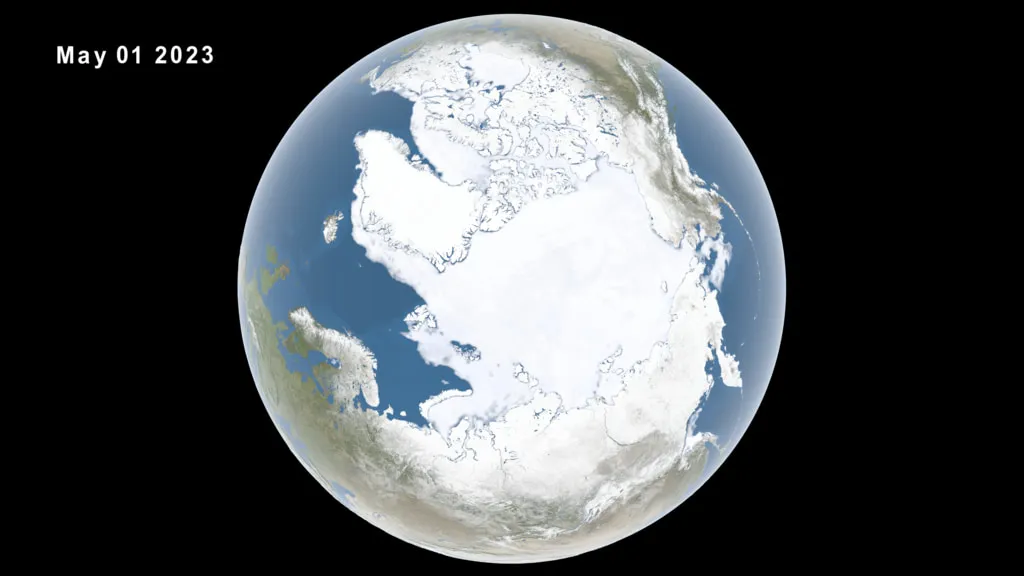
Arctic sea ice has reached its lowest levels during winter, reflecting the increasing impacts of climate change. According to reports, this decline coincides with unprecedented temperature increases in multiple regions around the world, raising major concerns about the future of the environment.
In detail, data shows that Arctic sea ice has hit record low extents, heightening fears about the effects of climate change on the global ecosystem. Elevated temperatures have been recorded in various areas, exacerbating the situation.
Details of the Phenomenon
Reports indicate that Arctic sea ice has dropped to levels not seen since records began. This decline reflects the accelerating impacts of climate change, with scientists predicting that these trends will continue in the coming years. Additionally, rising temperatures in other parts of the world contribute to worsening this phenomenon.
Studies suggest that sea ice plays a vital role in regulating the global climate, and its decline could lead to significant changes in marine and terrestrial ecosystems. This situation necessitates an urgent response from the international community to address the increasing environmental challenges.
Background & Context
Over the past decades, the Arctic region has experienced significant changes due to climate change. Temperatures in this area have risen at a faster rate than anywhere else on Earth. This phenomenon is not new, but it has become more pronounced in recent years, calling for greater global attention.
Historically, Arctic sea ice has been a crucial part of the ecosystem, influencing ocean currents and the global climate. However, human activities such as carbon emissions and pollution play a major role in accelerating these changes.
Impact & Consequences
The repercussions of declining Arctic sea ice extend beyond geographical boundaries, potentially affecting the global climate as a whole. This decline could lead to rising sea levels, threatening coastal communities worldwide. Furthermore, changes in the ecosystem could impact marine life and the balance of ecosystems.
Moreover, this phenomenon may lead to an increase in extreme weather events, such as hurricanes and floods, posing a threat to food and water security in many countries. This situation requires a coordinated response from nations to tackle the growing environmental challenges.
Regional Significance
Although the Arab region is not close to the Arctic, climate changes directly affect Arab nations. Rising temperatures in the Arctic can lead to changes in weather patterns in the region, increasing the likelihood of heatwaves and droughts.
Arab countries are among the most vulnerable to the impacts of climate change, facing significant challenges in water and food security. Therefore, it is essential for Arab nations to adopt strategies to adapt to these changes and mitigate their effects.
In conclusion, the decline of Arctic sea ice serves as a warning for everyone about the urgent need to take action against climate change. The international community must work together to protect the environment and ensure a secure future for generations to come.