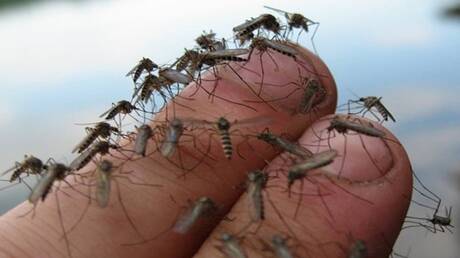
This year, mosquito populations in Central Russia have reached record levels, attributed to abundant water and high temperatures, according to Professor Dr. Georgy Lada from Derzhavin University.
Reports indicate that this year's climatic conditions were ideal for mosquito breeding, leading to a significant increase in their numbers. This surge in mosquito populations is one of the environmental phenomena causing concern in the region, especially given the potential health and economic implications.
Details of the Event
Professor Lada reported that climatic factors, such as heavy rainfall and high temperatures, significantly contributed to the increase in mosquito numbers. It has been noted that this phenomenon is not new, but it has reached unprecedented levels over the past two decades.
This increase in mosquito populations is an indicator of the climatic changes occurring in Russia, as rising temperatures may lead to alterations in ecosystems and affect biodiversity in the region.
Background & Context
Over the decades, Russia has witnessed notable climatic changes, with temperatures rising consistently. These changes have impacted not only wildlife but also human health. Mosquitoes are known vectors for many diseases, raising health concerns in the community.
Historically, mosquito populations have been affected by climate changes, but the current increase raises questions about the ability of ecosystems to adapt to these rapid changes. Studies have shown that climatic changes may lead to an increased spread of mosquito-borne diseases.
Impact & Consequences
Estimates suggest that the rise in mosquito populations could lead to outbreaks of diseases such as dengue fever and malaria, posing a threat to public health. This may require health authorities to take urgent measures to address this phenomenon.
Furthermore, the increase in mosquito numbers could impact economic activities such as tourism and agriculture, as mosquitoes can hinder outdoor activities and reduce the attractiveness of tourist areas.
Regional Significance
In light of the climatic changes affecting various regions worldwide, Arab countries may also be susceptible to increased mosquito populations. Rising temperatures and changing rainfall patterns could contribute to larger mosquito populations in different areas.
Arab nations must consider this phenomenon, as preparing to combat mosquito-borne diseases may become an urgent necessity in the near future.
The record increase in mosquito populations in Central Russia highlights the importance of understanding climatic changes and their effects on the environment and human health. An effective response is needed to address these challenges, not only in Russia but globally.