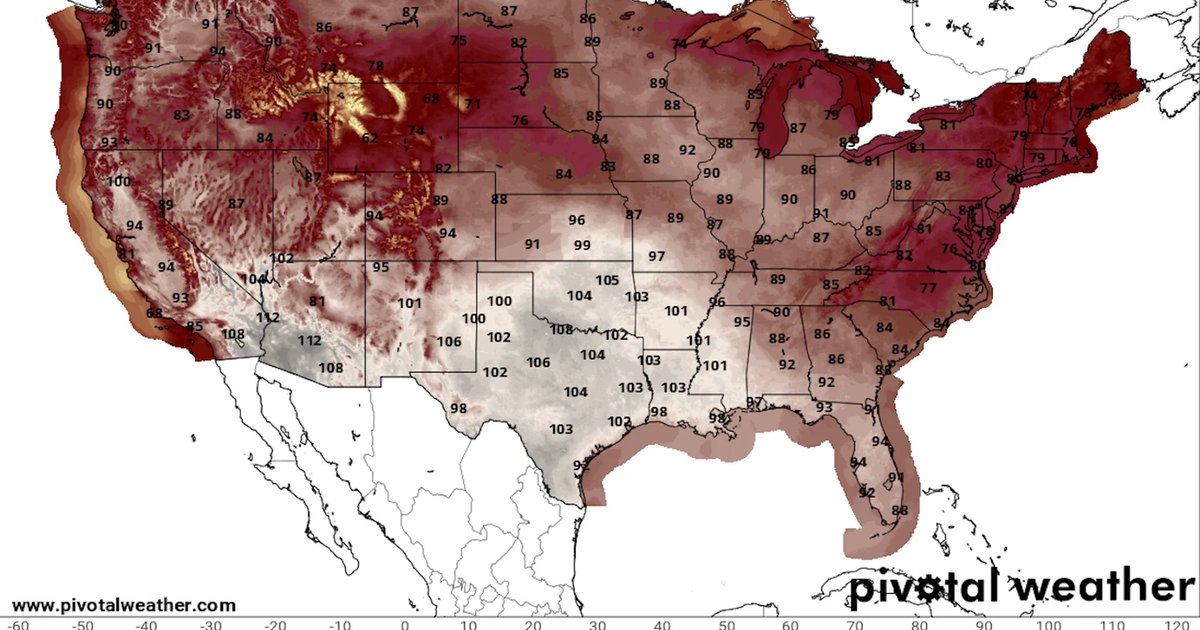
The United States has recorded unprecedented temperatures this summer, with some areas exceeding 40 degrees Celsius. This climatic phenomenon has raised concerns among scientists and researchers, who warn of the impacts of climate change on the environment and daily life. This increase in temperatures comes at a time when the world is witnessing significant climatic changes, necessitating urgent action to address these challenges.
According to reports, many U.S. states, including Texas and California, have experienced an unprecedented rise in temperatures, leading to increased energy demand and exacerbating drought problems. Data shows that this summer is the hottest ever recorded in some regions, reflecting the negative trends observed in global climate.
Details of the Event
Temperatures in some U.S. states have surpassed 40 degrees Celsius, significantly affecting the daily lives of residents. Authorities have issued warnings urging residents to take necessary precautions to avoid the dangers of extreme heat. Many outdoor events have also been canceled due to harsh weather conditions.
The rise in temperatures has led to increased energy consumption, with electricity bills rising significantly due to the intensive use of air conditioning. Reports indicate that some areas have experienced power outages due to the immense pressure on the electrical grid.
Background & Context
This phenomenon is part of global climate change trends, with studies showing that temperatures worldwide are on the rise. Scientists attribute this increase to greenhouse gas emissions resulting from human activities, such as burning fossil fuels and deforestation.
In recent years, the United States has witnessed numerous extreme weather events, including hurricanes, floods, and droughts. These events indicate that climate change is not just a future problem but a reality we are living today, requiring immediate response.
Impact & Consequences
Record temperatures are impacting various sectors, including agriculture and public health. Farmers are suffering from water shortages due to drought, affecting crop production and driving up food prices. Additionally, rising temperatures increase the risks of heat-related illnesses, such as heat strokes and dehydration.
Moreover, these phenomena are affecting the U.S. economy as healthcare and energy costs rise. The current situation requires urgent action from the government and the international community to address these challenges.
Regional Significance
The Arab region is also vulnerable to the impacts of climate change, with many countries experiencing rising temperatures and drought. These phenomena may exacerbate humanitarian crises in some nations, particularly those suffering from conflicts.
Arab countries must adopt effective strategies to adapt to climate change, including improving water resource management and promoting sustainable agriculture. Arab governments should also collaborate with the international community to collectively address these challenges.
In conclusion, the rise in record temperatures in the United States serves as a stark reminder of the urgent need for action to combat climate change. This phenomenon should motivate countries worldwide, including Arab nations, to work together to protect our planet and ensure a sustainable future for generations to come.