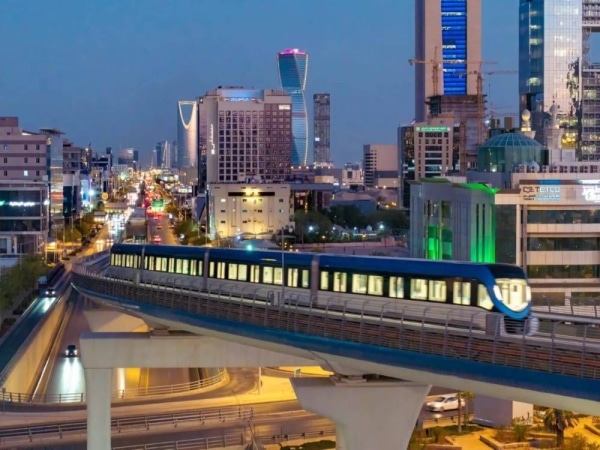
The Saudi capital, Riyadh, has recorded a notable decrease in traffic levels, with reports from the traffic department indicating that this decline is part of citizens' commitment to the preventive measures implemented to combat the COVID-19 pandemic. This commitment has contributed to reducing traffic congestion, reflecting the community's awareness of the importance of maintaining public health and safety.
This step comes at a time when the Kingdom of Saudi Arabia is witnessing ongoing efforts to curb the spread of the coronavirus, with a series of precautionary measures being implemented, including social distancing and wearing masks in public places. Recent statistics have shown that traffic levels in Riyadh have decreased by up to 30% compared to previous periods.
Details of the Event
The traffic department in Riyadh is striving to enhance traffic awareness among citizens, having launched awareness campaigns aimed at encouraging people to use public transportation and to avoid using private cars unless necessary. Reports have indicated that these campaigns have achieved significant success in changing driving behaviors among many.
The traffic department also confirmed that this decline in traffic levels has contributed to improving air quality in the city, reflecting the environmental benefits resulting from reduced emissions from vehicles. This matter is part of the Kingdom's Vision 2030, which aims to improve the quality of life in major cities.
Background & Context
Since the onset of the COVID-19 pandemic, Saudi Arabia has implemented a series of strict precautionary measures, including imposing curfews at certain times and closing some business activities. These measures have significantly impacted citizens' daily lives, including traffic patterns.
Historically, Riyadh has faced significant traffic congestion issues, being considered one of the most congested cities in the world. However, citizens' commitment to preventive measures during this period has contributed to changing this reality, opening the door for future improvements in transportation infrastructure.
Impact & Consequences
The decline in traffic levels in Riyadh is a positive indicator of the community's commitment to preventive measures, which may lead to reduced pressure on health services. Additionally, this decline could enhance the commuting experience within the city, thereby improving the quality of life.
Moreover, the improvement in air quality resulting from reduced vehicle traffic may contribute to enhancing public health, positively reflecting on the community as a whole. Officials hope that this positive trend will continue even after the pandemic ends.
Regional Significance
The experience of Riyadh serves as a model for many Arab cities facing similar challenges in traffic management. This experience can inspire other countries to implement similar measures aimed at improving quality of life and reducing congestion.
Furthermore, the commitment to preventive measures in Riyadh may enhance regional cooperation in addressing health crises, contributing to building healthier and more aware communities in the Arab region.
In conclusion, the decline in traffic levels in Riyadh represents a positive outcome reflecting the community's commitment to preventive measures. Everyone hopes that these positive trends will continue in the future, contributing to improving the quality of life in the city.