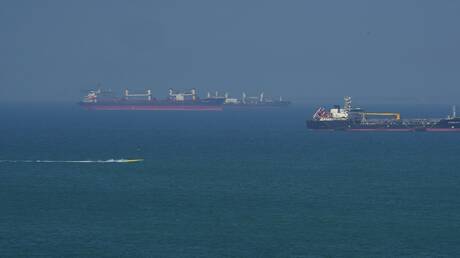
The US Navy has announced new operations as part of the blockade imposed on Iran, successfully redirecting 58 commercial ships and disabling 4 other vessels. This step is part of ongoing US efforts to increase pressure on Tehran and prevent it from utilizing its maritime ports.
The American measures involve directing ships away from Iranian ports, significantly impacting maritime trade in the region. These operations may represent an escalation in tensions between the United States and Iran, especially amid the political and economic crises currently facing the latter.
Details of the Operations
According to data released by the US military, recent naval operations include the disabling of ships that were either en route to Iranian ports or departing from them. These operations were executed using advanced technologies to monitor ship movements, reflecting the United States' capability to control vital maritime passages.
These actions come at a sensitive time as Iran seeks to bolster its naval presence in the Arabian Gulf, heightening tensions in the region. Military sources have confirmed that these operations are part of a broader strategy aimed at undermining Iranian activities in international waters.
Background & Context
Historically, relations between the United States and Iran have been marked by escalating tensions since Washington's withdrawal from the nuclear agreement in 2018. Since then, the US has imposed a series of economic and military sanctions on Iran, significantly affecting its economy.
Iran is considered one of the key players in the Gulf region, playing a pivotal role in maritime trade. With increasing US pressure, the Iranian regime is seeking ways to enhance its defensive and economic capabilities in response to these challenges.
Impact & Consequences
The maritime blockade operations directly affect trade movements in the region, as commercial vessels may face additional risks due to these measures. Furthermore, these steps could lead to increased military tensions in the Gulf, threatening overall regional stability.
Additionally, these actions may provoke responses from Iran, which might seek to bolster its military presence in international waters, raising the likelihood of maritime confrontations.
Regional Significance
Neighboring Arab countries such as Iraq, Kuwait, and the UAE find themselves in a sensitive position due to these developments. Military tensions could adversely affect maritime trade, negatively impacting the economies of these nations.
Moreover, these events could heighten fears of escalating conflicts in the region, prompting Arab nations to take diplomatic measures to enhance security and stability.
The recent escalation in US naval operations against Iran reflects the increasing tensions in the region and indicates that the situation may become more complex, necessitating all parties involved to work towards peaceful solutions to avoid military escalation.