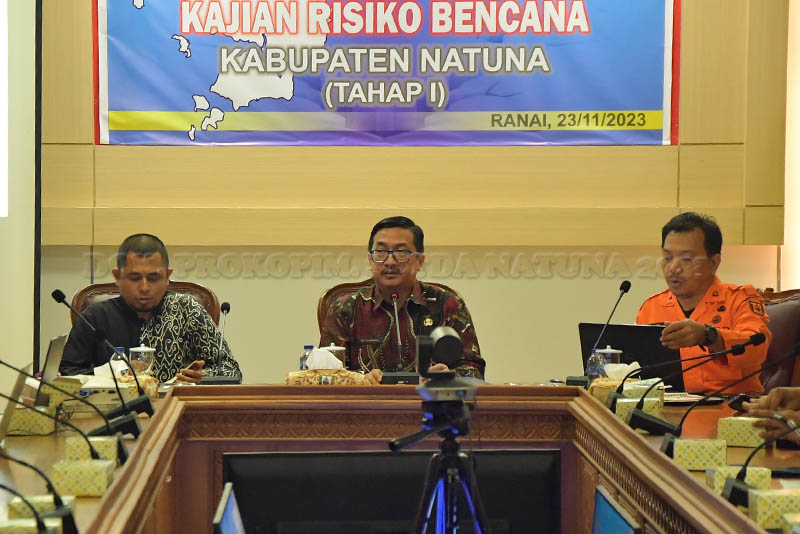
The Natuna provincial government, located in Indonesia's Riau Islands, has announced the reduction of the emergency status related to natural disasters, such as drought and wildfires, to an alert level. This decision came after a comprehensive assessment of the field situation, which determined that conditions had improved, leading to a decrease in the emergency response level.
In a statement by the head of the Disaster Management Agency in Natuna, Raja Darmika, it was confirmed that the emergency status was declared on March 26, 2026, and lasted until April 1 of the same year. This decision was made after the region experienced harsh climatic conditions that led to the outbreak of drought and wildfires, negatively impacting the lives of local residents.
Details of the Event
Following a thorough evaluation with the Local Leadership Communication Forum, the emergency status has been downgraded to an alert level effective from April 2 until April 30, 2026. Despite this downgrade, the local government has assured that firefighting and monitoring operations will continue, including the use of helicopters for firefighting techniques.
Aerial support has also been provided by the National Disaster Management Agency, with aircraft dispatched to assist firefighting teams in reaching remote and hard-to-access areas. Darmika noted that this aerial support was essential due to the inadequacy of local resources to combat fires in distant regions.
Background & Context
The Natuna area is one of the regions significantly affected by climate change, having witnessed an increase in the severity of natural disasters in recent years, including drought and wildfires. These phenomena not only impact the environment but also affect the lives and livelihoods of local residents, necessitating a swift and effective government response.
Historically, Indonesia has faced significant challenges in disaster management, frequently subjected to a range of natural disasters due to its geographical location. However, the Indonesian government has made substantial strides in improving its response to these disasters, including enhancing coordination among various agencies and developing effective strategies to mitigate the impacts of disasters.
Impact & Consequences
The reduction of the emergency status to an alert level reflects an improvement in the situation, but it also highlights the ongoing need for monitoring climatic conditions. This change in status may alleviate pressures on local resources, but it also requires constant preparedness to face any emergencies that may arise in the future.
It is crucial for the government to continue strengthening its disaster management capabilities, including investing in the necessary infrastructure to address natural disasters. Additionally, there should be awareness programs for local residents on how to deal with natural disasters.
Regional Significance
Although Natuna is far from the Arab world, natural disasters and climate change pose a global challenge that affects all countries. Climate change leading to drought and wildfires can have negative impacts on food security and economies in various regions, including Arab nations.
Therefore, international cooperation in disaster management and climate change is essential. Arab countries should leverage global experiences in this field to enhance their capacities to confront climatic challenges.