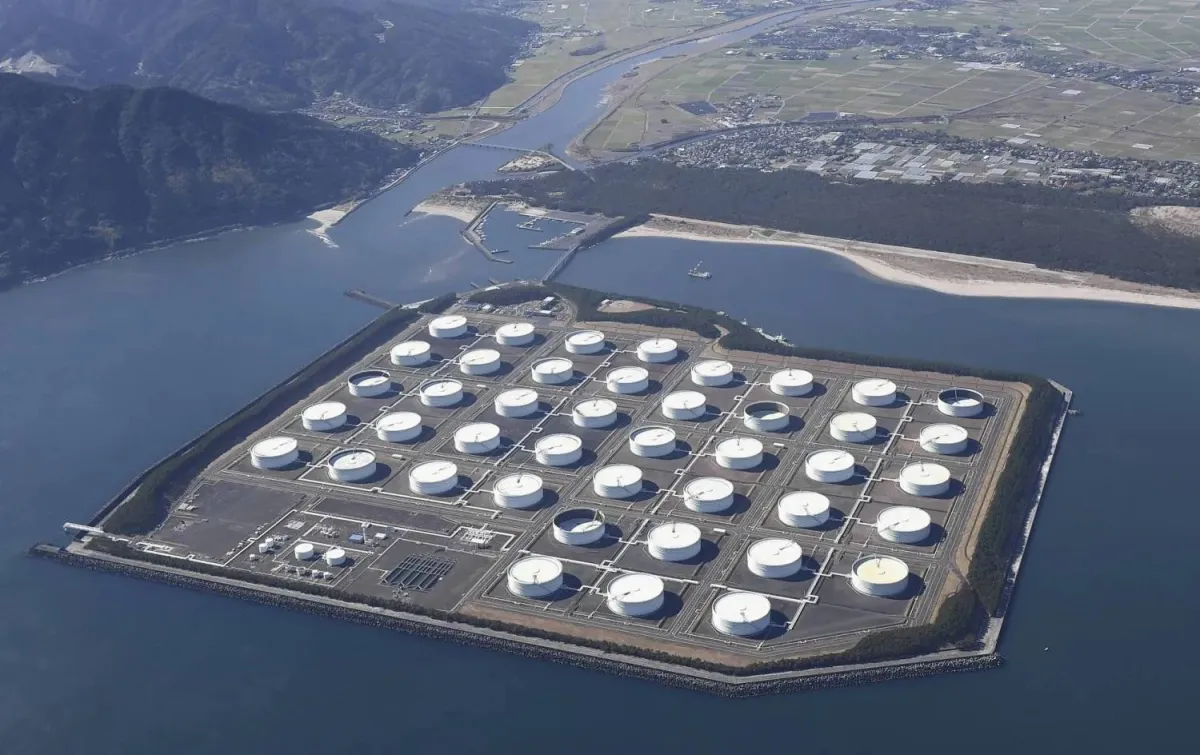
Recent data released by the Japan Petroleum Association indicates that the operating rates of oil refineries in Japan have dropped to 67.7% of their design capacity during the week ending on April 4, down from 72.5% in the previous week. This is the lowest level since June 2025, when operating rates were above 80% prior to the escalation of tensions stemming from the U.S.-Israeli conflict with Iran.
This development comes at a time when Japan has begun to partially release its oil reserves since March 16, with the country storing enough oil to meet its needs for approximately 50 days. Japan has requested the International Energy Agency to consider a coordinated release of a second batch of reserves.
Details of the Situation
It is noteworthy that the Japan Petroleum Association has suspended the publication of weekly details regarding gasoline, jet fuel, kerosene, and diesel stocks due to changes in the structure of petroleum product supplies. In related news, gasoline prices fell to 167.4 yen (approximately $1.06) per liter by April 6, down from 170.2 yen the previous week, reflecting the Japanese government's efforts to curb rising prices.
Additionally, liquefied natural gas stocks at major Japanese utility companies decreased to 2.19 million metric tons on March 29, compared to 2.38 million tons the previous week, although they remain higher than last year's levels and the five-year average.
Background & Context
Japan is significantly affected by geopolitical tensions in the region, particularly those related to oil supplies. The U.S.-Israeli conflict with Iran has caused major disruptions in oil supplies, prompting Japan to take precautionary measures such as releasing its oil reserves. There are also increasing concerns regarding the stability of energy prices in global markets.
In this context, Greece announced plans to release two million barrels from its strategic reserves as part of coordinated efforts with the International Energy Agency aimed at stabilizing global prices. This decision was made during a meeting held on April 2, where ways to enhance market stability were discussed.
Impact & Consequences
The decline in refinery operating rates in Japan affects the global market, as Japan is one of the largest oil consumers in the world. This decrease may lead to increased pressure on global prices, especially amid ongoing tensions in the Middle East. There are also expectations that these developments will impact major companies' investments in the energy sector.
On the other hand, these conditions may lead to increased demand for oil from other countries, potentially altering market dynamics. Japanese companies may also have to seek alternatives to meet their energy needs, which could influence their future strategies.
Regional Significance
The Arab region is one of the largest oil producers in the world, and thus any changes in demand or supply rates in global markets could directly impact its economies. Given the current tensions, Arab countries may see an increase in demand for their oil, potentially leading to price hikes.
Moreover, the stability of oil prices in global markets heavily depends on the situation in the Middle East, placing Arab nations in a sensitive position that requires them to closely monitor developments.
In conclusion, the current situation in Japan highlights significant challenges facing global oil markets, necessitating a swift and effective response from both producing and consuming countries.