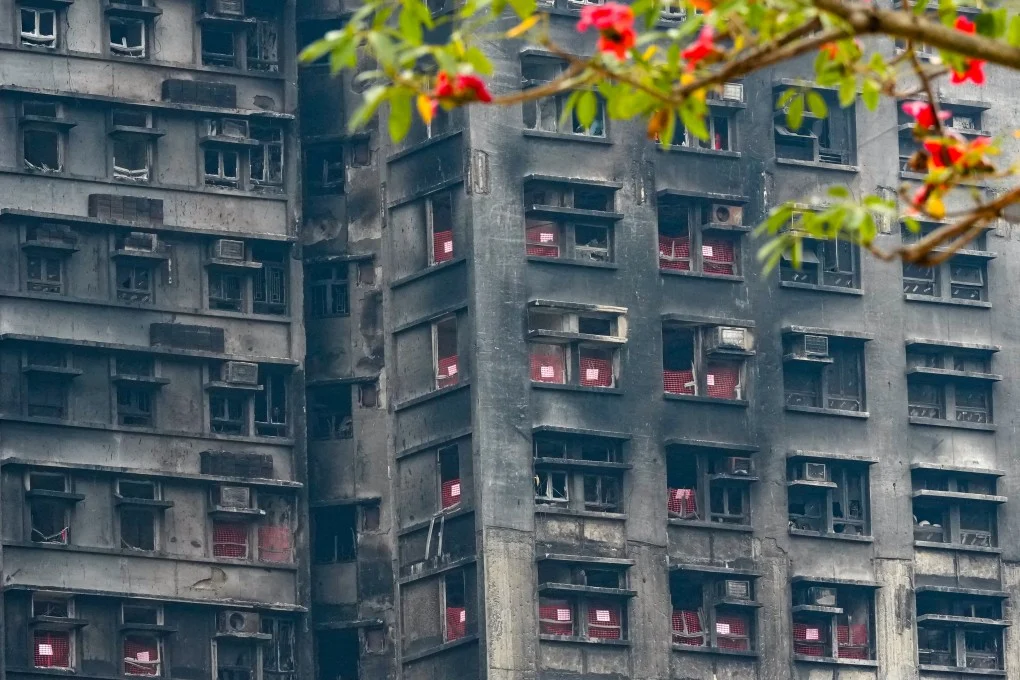
The Wang Fuk management, which was affected by a devastating fire, has rejected a request from over 300 owners to hold a public meeting, stating that the information provided does not meet legal requirements. This decision comes at a critical time for residents seeking greater transparency regarding the current status of their residential complex.
In an email reviewed by the South China Morning Post, the Hop On Management team, a subsidiary of the Chinachem Group, clarified that they will hold a briefing for residents in early May, but details about the public meeting have yet to be specified.
Details of the Incident
The Hop On Management, appointed by the government as the interim manager of the Wang Fuk complex, is responsible for managing the aftermath of the fire that devastated large parts of the complex. The refusal to hold the public meeting has sparked widespread discontent among owners who feel deprived of essential information regarding the future of their properties.
This move comes at a sensitive time, as residents are eager to understand the legal and financial implications of the fire, as well as the reconstruction plans. Many owners have pointed out that the lack of transparency could exacerbate the situation and create anxiety among residents.
Background & Context
In recent years, Hong Kong has witnessed several tragic incidents affecting local communities, with the Wang Fuk fire being one of the deadliest. In 2022, there was a recorded increase in the number of residential building fires, raising concerns about building safety and emergency procedures.
The management of residential complexes in Hong Kong is a sensitive topic, where private interests intersect with local laws. This fire has led to increasing calls for improved safety standards and the implementation of stricter laws to protect residents.
Impact & Consequences
The refusal to hold the public meeting could have significant repercussions on the relationship between the management and the residents. Residents feel unrepresented in important decisions that affect their daily lives, which may lead to escalating tensions. Furthermore, the lack of transparency could negatively impact the management's reputation and its ability to handle future crises.
Moreover, this situation may affect the real estate market in the area, as potential buyers may hesitate to invest in residential complexes facing administrative or legal issues. Under these circumstances, the government may need to intervene to ensure the rights of owners and residents are protected.
Regional Significance
Incidents like the Wang Fuk fire serve as a reminder of the importance of public safety and crisis management in communities. In the Arab region, some countries have experienced similar incidents, necessitating the enhancement of safety standards and the enforcement of stricter laws to protect citizens.
Moreover, transparency in the management of residential complexes plays a crucial role in building trust between residents and management. Arab governments should learn from these experiences to ensure the safety of their citizens and enhance their rights in decision-making related to their homes.