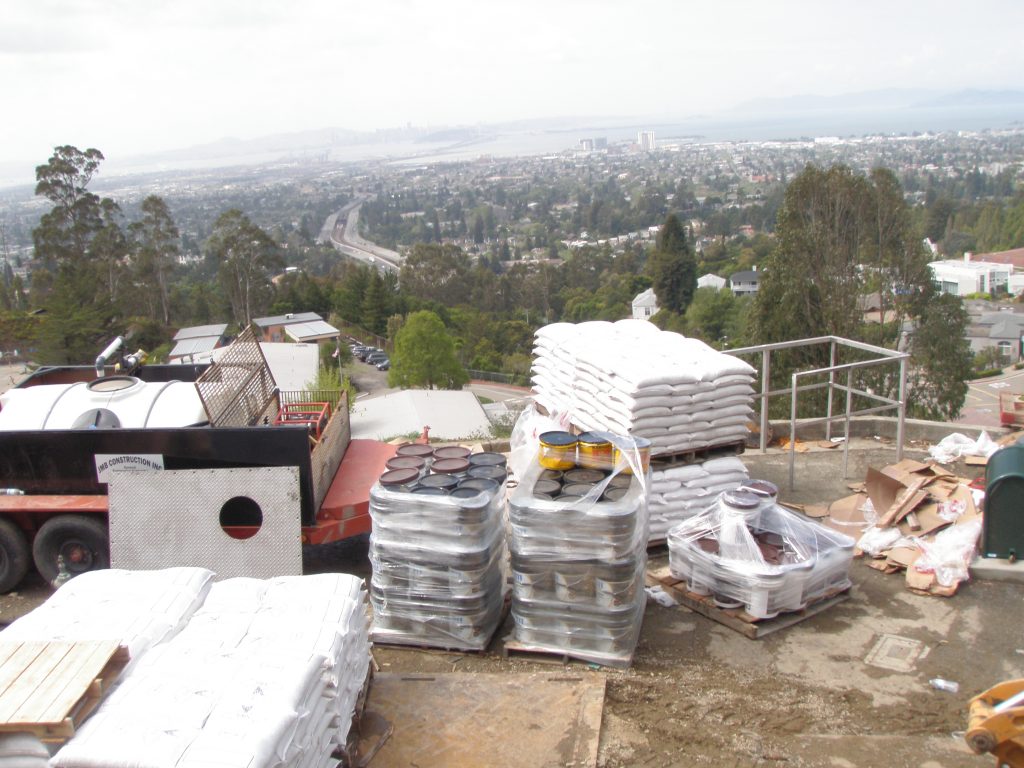
The Public Works and Housing Department in Luxmoi, Aceh, has announced the commencement of a dam rehabilitation project utilizing two water machines as part of the government's efforts to enhance water infrastructure in the region. This project comes at a critical time as many areas are facing water shortages due to climate change and increasing demand for water resources.
The Public Works Department aims to rehabilitate the dams to ensure the sustainability of water resources, with the two water machines being used for excavation and cleaning operations, facilitating access to areas in need of maintenance. These modern machines were selected for their effectiveness in working in aquatic environments.
Details of the Project
Dams are vital infrastructure that play a crucial role in managing and storing water. Through this project, the Public Works Department hopes to enhance the dams' capacity to store and distribute water more efficiently. Several dams have been identified for rehabilitation, where efforts will focus on cleaning and removing sediment that obstructs water flow.
This project is part of a comprehensive plan aimed at improving water management in the region, with a dedicated budget allocated for this purpose. The project is expected to contribute to improving water quality and increasing the amounts of water available for agricultural and drinking purposes.
Background & Context
Historically, the Aceh region has faced numerous challenges related to water management, particularly following the natural disasters it has endured. Floods and droughts have deteriorated the condition of the dams, negatively impacting local communities. In recent years, the Indonesian government has begun taking serious steps to improve water infrastructure, including the rehabilitation of dams.
These efforts are part of a broader strategy aimed at enhancing water security in Indonesia, where water is a vital resource for economic and social development. With the growing population and increasing demand for water, it has become essential to improve the management of water resources.
Impact & Consequences
The dam rehabilitation project is expected to have positive effects on local communities, as it will contribute to improving access to clean water and enhancing agricultural production. Improved water management can also reduce the risks of floods and droughts, thereby enhancing community stability and increasing their capacity to face environmental challenges.
Moreover, this project may encourage additional investments in water infrastructure, strengthening the government's ability to meet the needs of the population. Additionally, improving the condition of the dams could contribute to boosting eco-tourism in the region, as the dams could become attractive tourist destinations.
Regional Significance
Water management issues are among the major challenges facing many Arab countries, where many regions suffer from severe water shortages. The Indonesian experiences in dam rehabilitation and water resource management could serve as an inspiration for Arab countries seeking to improve their water infrastructure.
Cooperation between Arab countries and Indonesia in water management could facilitate the exchange of experiences and modern technologies, enhancing the ability to tackle shared water challenges. Furthermore, improving water management in Arab countries could contribute to achieving food security and sustainable development.