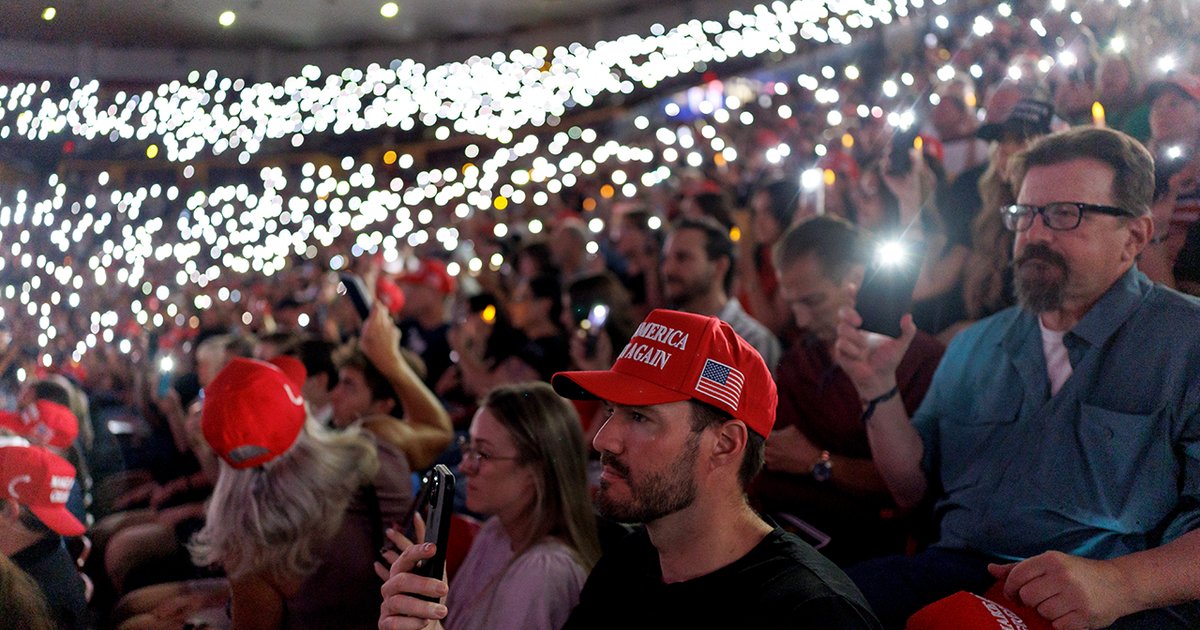
Local authorities in Arizona have rejected a proposal to name a road after Charlie Kirk, a well-known political activist, sparking widespread debate about the influence of politics on local decisions. This decision comes at a sensitive time marked by sharp political divisions in the U.S., where some officials believe this rejection reflects current political conflicts.
Charlie Kirk is a prominent figure in the American conservative movement, having founded Turning Point USA, an organization aimed at promoting conservative values among youth. The proposal to name the road after him was intended to honor his contributions to American politics; however, it faced opposition from some elected officials who argued that the matter transcended mere personal recognition and ventured into the realm of political influence in local decision-making.
Details of the Event
The proposal to name the road after Kirk was put forward by a group of Republican lawmakers but was rejected by some Democratic members of the local council. These members indicated that Kirk represents controversial views and should not be honored in a public context. This rejection reflects the increasing tensions between the two parties in the United States, where local issues are becoming increasingly influenced by national politics.
It is worth noting that this decision did not come as a surprise to many, as numerous similar projects have faced a similar fate in recent years. Some observers have pointed out that this type of political conflict could hinder local communities' ability to make decisions that better serve their interests.
Background & Context
Historically, the United States has seen numerous instances where politics have guided local decisions. In recent years, political issues have intertwined with social and economic matters, leading to greater divisions among communities. For instance, street and road names have been used as a means to express political values, resulting in widespread debate over whether certain figures should be honored.
In the case of Charlie Kirk, the controversy surrounding his name reflects the broader divide in American society over conservative and liberal issues. Some critics have suggested that honoring Kirk could exacerbate divisions rather than unify the community.
Impact & Consequences
This decision could have far-reaching implications for how local decisions are made in the future. If politics continues to influence local decisions, it may exacerbate divisions among communities. Furthermore, this type of conflict might deter some individuals from participating in the political process, leading to reduced civic engagement.
Moreover, this controversy may open the door for further discussions on how public figures should be honored within the community. Should these honors be neutral, or should they reflect prevailing political values? These questions will remain relevant in the near future.
Regional Significance
Although this event is occurring in the United States, it has implications that could resonate in the Arab region. Political conflicts and their impact on local decisions are not limited to the U.S.; similar examples can be seen in many Arab countries, where politics affect various aspects of daily life.
Understanding how politics influence local decisions can help Arab communities develop strategies to address these challenges. Additionally, fostering dialogue among various parties can contribute to reducing divisions and enhancing mutual understanding.