In a resolute stance, Hezbollah's Deputy Secretary-General, Naeem Qassem, announced in a televised speech on Wednesday that the party refuses to engage in any negotiations with Israel while the bombardment continues. Qassem deemed negotiating under these circumstances as a forced surrender, urging for enhanced unity among all factions to confront Israeli aggression.
The speech was broadcast on a Hezbollah-affiliated television channel, where Qassem affirmed that the party's fighters are prepared to continue fighting "without limits," reflecting Hezbollah's determination to face current challenges.
Details of the Event
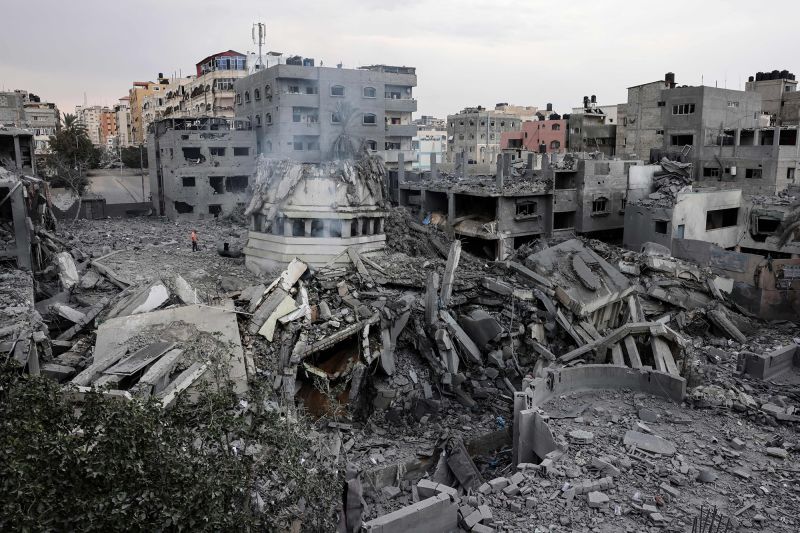
Qassem's statements come at a time when the region is witnessing significant military escalation, with multiple areas in Lebanon undergoing bombardment by Israeli forces. Tensions have escalated recently, complicating the situation further. Qassem emphasized that Hezbollah will not accept any form of negotiation unless Israeli aggression ceases.
He also pointed out the importance of national unity among all Lebanese factions to confront external challenges, asserting that the current time requires collective efforts to face the common enemy.
Background & Context
Historically, the relationship between Hezbollah and Israel has been tense, with the region experiencing numerous armed conflicts between the two parties. Hezbollah was established in 1982 in response to the Israeli occupation of Lebanon, and since then, it has become a key player in Lebanese and regional politics.
Over the years, Hezbollah has fought several wars against Israel, most notably the 2006 war, which resulted in widespread destruction in Lebanon but also bolstered the party's status as a resistance force in the eyes of many Lebanese and Arabs.
Impact & Consequences
Hezbollah's refusal to negotiate amidst bombardment may lead to further escalation in the conflict, threatening the stability of the entire region. While some international powers seek to calm the situation, Hezbollah appears determined not to make any concessions under pressure.
This stance could affect relations between Lebanon and Western countries, which may view Hezbollah's actions as a threat to regional security. Additionally, the ongoing bombardment could exacerbate the humanitarian situation in Lebanon, where the Lebanese people are already suffering from severe economic and social crises.
Regional Significance
Hezbollah's position on negotiating with Israel reflects broader tensions in the region, where armed conflicts are increasing in several Arab countries. The escalation of violence in Lebanon could impact neighboring countries such as Syria and Palestine, where interests and goals intersect.
This stance also mirrors the division of opinions within the Arab world on how to deal with Israel, with perspectives varying between those advocating for dialogue and negotiation and those who believe that resistance is the only option.
In conclusion, Hezbollah's rejection of negotiations under bombardment reflects a growing tension in the region and indicates that the conflict with Israel remains far from resolution. As crises continue, the hope for achieving peace and stability in the region requires intensified efforts from all concerned parties.