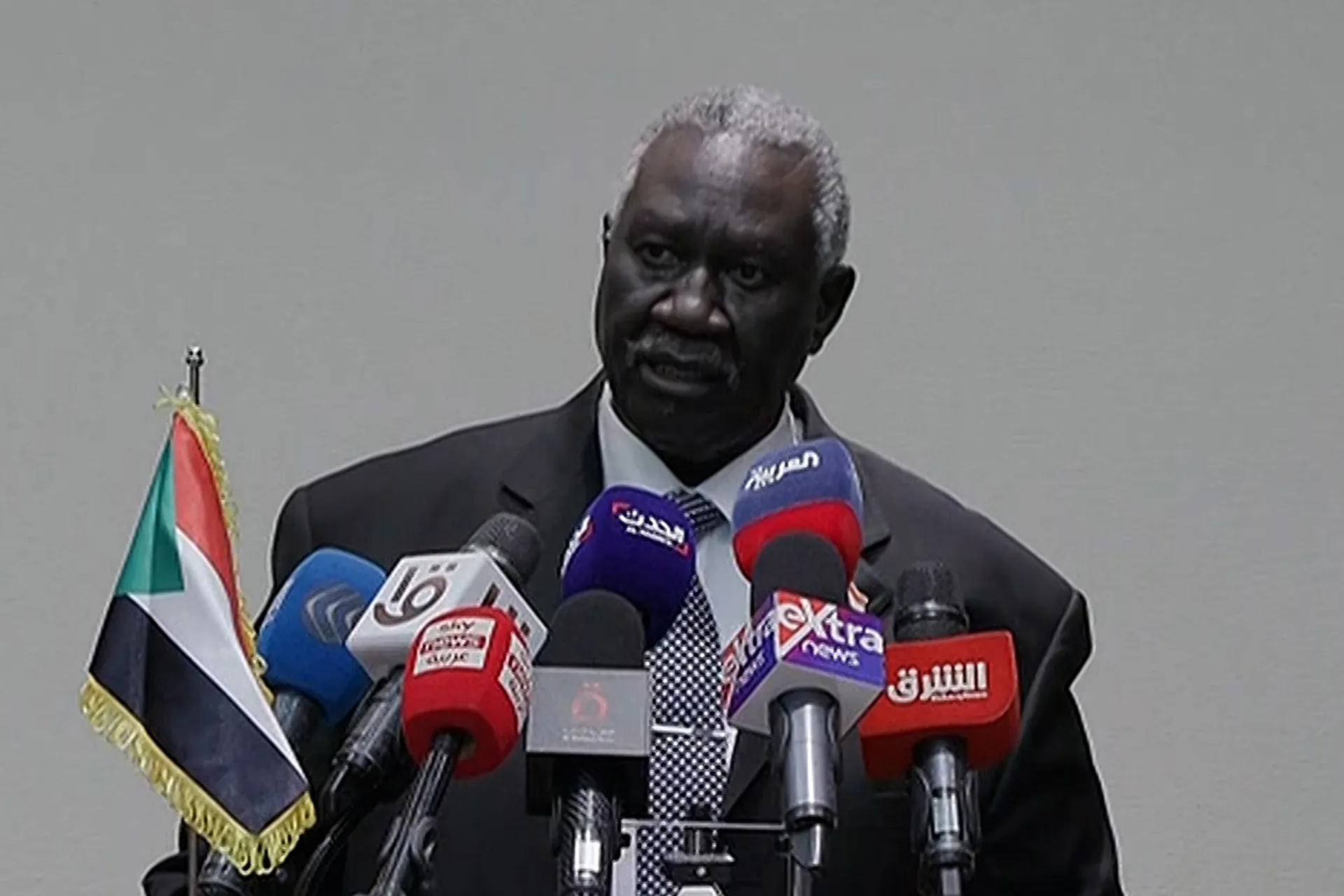
Malik Agar, the Vice President of Sudan's Sovereign Council, has dismissed calls for importing Western democratic models, stating that the 'Westminster' or 'Washington D.C.' formula is unsuitable for Sudan, which is grappling with the displacement of nearly 8 million herders and farmers. This remark was made during the second organizational meeting of the coalition in Port Sudan, where Agar asserted that the priority should be to provide essential services such as healthcare and education.
Agar emphasized that social justice is at the heart of true democracy in Sudan, urging political forces to innovate a local democratic model that meets the country's needs. He also advised foreign experts to maintain their own democracies and allow Sudanese people to create their own model.
Details of the Event
At the conclusion of the meeting, Agar criticized previous political experiments led by several Sudanese presidents, considering them failures due to the exclusion of certain components and the lack of a comprehensive political vision. He warned against repeating the mistake of 'dialogue with those present,' calling on the current government and its supporting parties to include all parties and avoid marginalizing anyone.
He also pointed out that the phenomenon of increasing arms in Sudan requires close monitoring, stressing that weapons do not represent a mechanism of democracy, and that the country has suffered from wars for decades, necessitating a clear roadmap to end conflicts.
Background & Context
These statements come at a sensitive time for Sudan, as the country faces significant challenges related to security and stability. The second organizational meeting of the 'Freedom and Change – Democratic Bloc' coalition witnessed members signing the charter that regulates the coalition's operations and defines the roles of its leaders and deputies. This coalition includes 19 political organizations, along with armed movements and civil society organizations, representing about one-third of registered Sudanese political forces.
In a related context, journalist Mohamed Omar, who specializes in Sudanese affairs, confirmed that the Democratic Bloc supports the Sudanese army in its war against the Rapid Support Forces, as some armed movements under its umbrella are actively fighting alongside the army in areas like Kordofan.
Impact & Consequences
Agar's statements highlight the urgent need to develop a democratic model that aligns with Sudanese realities, as focusing on social justice and providing essential services could contribute to enhancing stability. His call for comprehensive dialogue may open new avenues for cooperation among various political forces.
These steps are part of the Democratic Bloc's efforts to achieve early elections and establish a rule of law that ensures social justice for all Sudanese, reflecting a genuine desire to improve the political and economic conditions in the country.
Regional Significance
Sudan's experience in building a local democratic model is of great importance to the Arab region, as it could serve as a model for countries facing similar challenges. The success or failure of Sudan in achieving social justice and democracy may impact regional stability and set a precedent for change in other nations.
In conclusion, Sudan seems to be at a historic opportunity to rebuild its political system in line with the aspirations of its people, requiring joint efforts from all parties to achieve peace and stability.