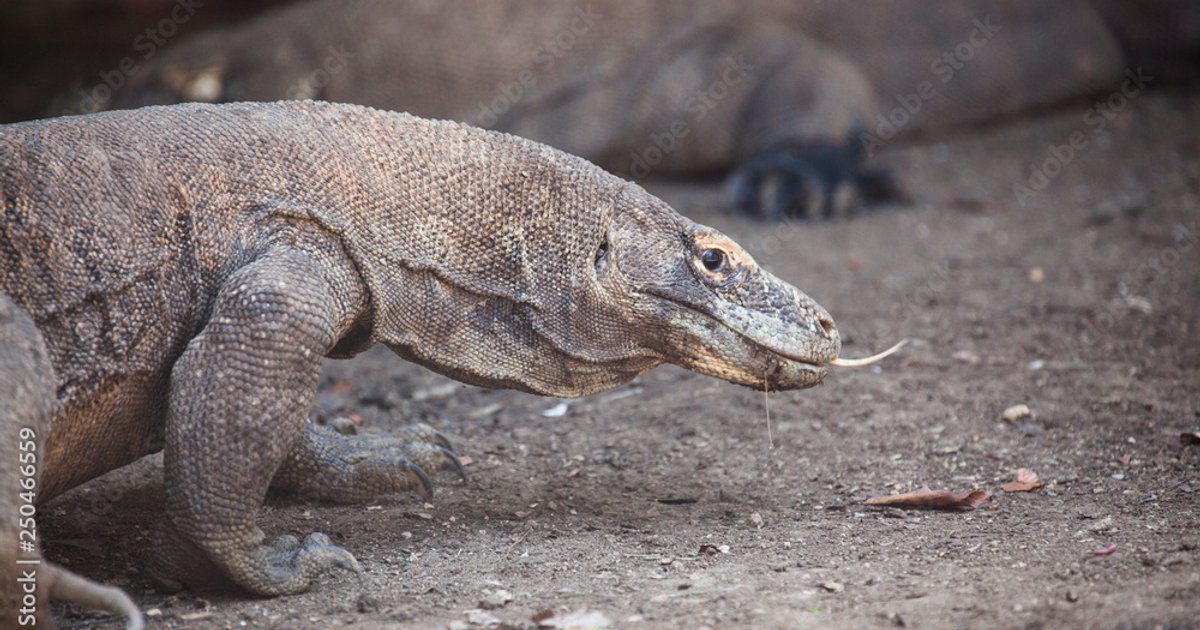
In a move reflecting efforts to protect wildlife, the East Nusa Tenggara Environmental Protection Agency (BBKSDA NTT) announced the release of a baby Komodo dragon that had entered a residential area in East Manggarai. This followed reports from residents of Nanga Mbaur village about the presence of the Komodo in one of the homes, prompting intervention from the relevant authorities.
BBKSDA NTT head, Adi Nurul Hadi, confirmed that the swift response from the local community was crucial in ensuring the safe handling of the situation, with all necessary precautions taken to protect both the residents and the animal. The baby Komodo was measured at 42 centimeters in length and weighed 0.08 kilograms, placing it in the hatching stage.
Details of the Incident
Upon receiving the report, teams from BBKSDA NTT rushed to the site to conduct a thorough assessment of the situation. The process included examining the animal, measuring it, fitting it with a PIT tag, and taking a blood sample before returning it to its natural habitat in the Watu Bajung area. A decision was made to release it in a suitable area to ensure it remained safe from predators and to facilitate its adaptation process.
This incident is part of a growing phenomenon where Komodo dragons have been reported in residential areas recently, raising concerns among local authorities. Hadi noted that the number of Komodos in the region ranges from 5 to 19 animals, necessitating preventive measures to avoid any conflicts between the animals and residents.
Background & Context
Komodo dragons are among the largest lizards in the world, primarily residing in Indonesia. This species faces multiple threats, including habitat loss and poaching. In recent years, efforts to protect these species have increased through the establishment of nature reserves and the enforcement of strict laws against illegal hunting.
Historically, the Komodo dragon has been considered a symbol of Indonesia's natural heritage; however, urban expansion and increased human activity in areas surrounding their natural habitats have led to rising tensions between local populations and Komodos. Therefore, this incident underscores the importance of environmental awareness and cooperation between local communities and authorities to protect this endangered species.
Impact & Consequences
This incident demonstrates the significance of environmental awareness in local communities, where prompt and effective responses can reduce tensions between humans and wildlife. Additionally, collaboration between local residents and authorities can contribute to enhancing conservation efforts and protecting endangered species.
Furthermore, raising awareness about the importance of the Komodo dragon as part of Indonesia's biodiversity can lead to improved conservation strategies. Continuous awareness campaigns are necessary to educate residents on how to safely interact with these animals.
Regional Significance
The release of the baby Komodo dragon highlights the critical need for wildlife protection and the collaboration between local communities and authorities. It serves as a reminder of the delicate balance that must be maintained between urban development and wildlife conservation.
In conclusion, the incident not only reflects the challenges faced by the Komodo dragon due to urban expansion but also emphasizes the role of community engagement in fostering a sustainable coexistence with wildlife.