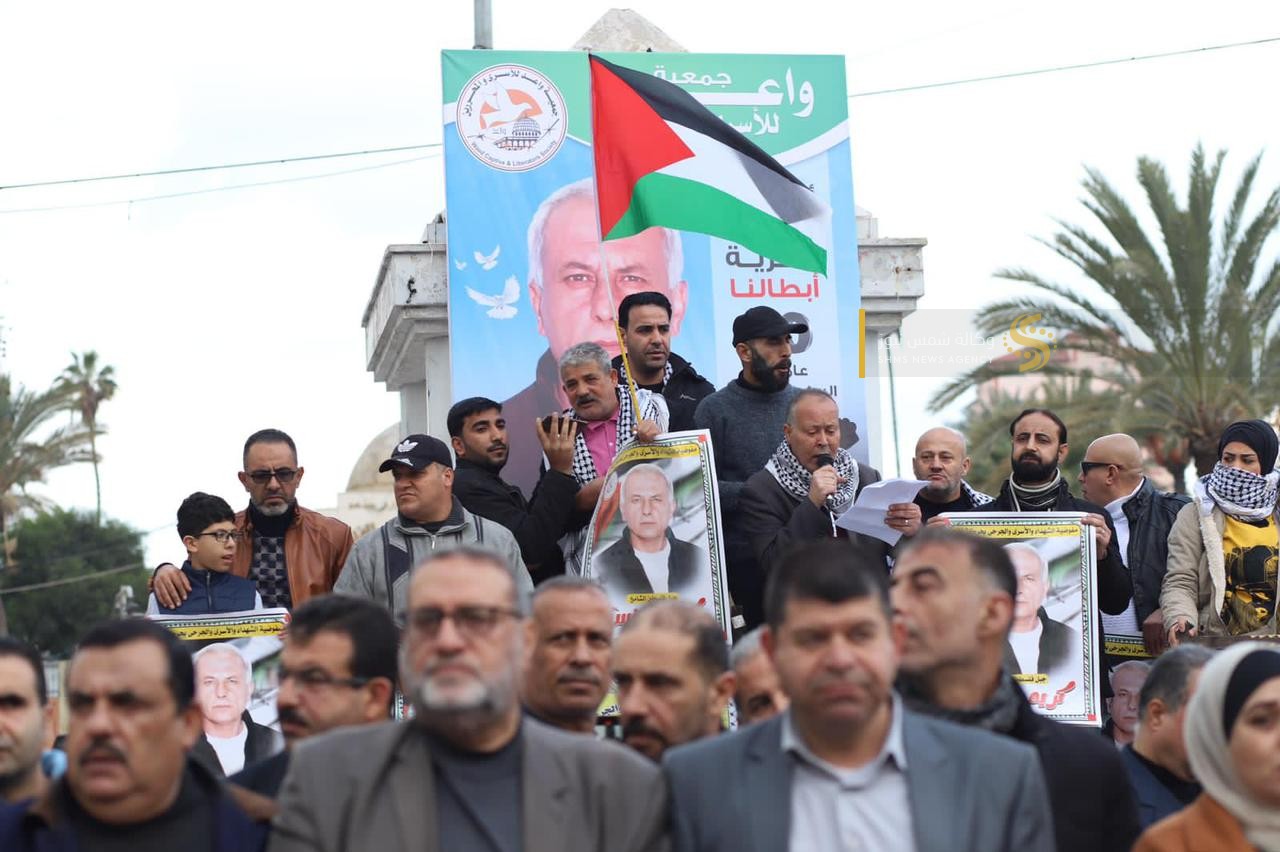
Israeli prison authorities announced today, Sunday, the release of Palestinian prisoner Ibrahim Abu Makh, after an incarceration that lasted nearly 40 years. Abu Makh is considered one of the oldest Palestinian prisoners, having spent these long years enduring harsh detention conditions and ongoing suffering.
The Palestinian Authority for Prisoners' Affairs explained that Abu Makh's release is part of the support and assistance efforts of concerned parties in Palestine, aimed at ensuring the rights of prisoners and improving their conditions inside prisons. The Authority confirmed that during his imprisonment, Abu Makh faced numerous violations and psychological and physical pressures.
Details of the Event
Upon his release, Abu Makh expressed his overwhelming joy after years of isolation and deprivation. He was welcomed by his family, friends, and many Palestinians in the city of Ramallah, where the atmosphere was filled with emotion and encouragement. Celebrators expressed their gratitude for all the efforts that led to his release, which reflects Palestinian solidarity with prisoners.
Despite the release, thousands of Palestinian prisoners remain in occupation jails, highlighting the ongoing suffering under the occupation. Human rights activists emphasize that the issue of prisoners requires serious attention from the international community.
Background & Context
The start of Ibrahim Abu Makh's detention dates back to 1983, when he was arrested on charges of belonging to resistance organizations against the occupation. Since then, Abu Makh has joined a long list of prisoners who endure hardships in cells under harsh conditions. Throughout the years, the world has witnessed many changes concerning prisoners’ issues, with their rights receiving support from international human rights organizations; however, the reality remains harsh.
Palestinian prisoners, including Abu Makh, experience psychological and physical symptoms as a result of prison sanctions and isolation. Medical examinations have indicated that many of them suffer from chronic illnesses due to the living conditions within the jails.
Impact & Consequences
The release of Abu Makh reflects some shifts in the strategy of prison management and may indicate a potential change in detention policy regarding some Palestinian prisoners. Experts in Palestinian affairs have stated that this release could contribute to boosting the morale of prisoners, alongside increasing popular support for them.
Moreover, the shift in the Israeli stance could positively affect the Palestinian-Israeli dialogue on prisoner issues. However, the question remains whether this policy will continue or whether matters will revert to their previous state.
Regional Significance
The release of Ibrahim Abu Makh serves as evidence of the ability of popular pressure and human rights organizations to influence prisoner issues. This will escalate the importance of Palestinian detainee cases in the context of current political negotiations, reinforcing the position of human rights advocates in the region.
This event also marks a step in multilateral discussions about human rights issues within the context of wars and conflicts. It raises the challenges faced by humanitarian issues in conflict areas and highlights the suffering of prisoners living under occupation.
In conclusion, the international community's and Palestinian activists' stance remains firmly focused on prisoner issues, underscoring the need for these men and women to have support for their fundamental rights.