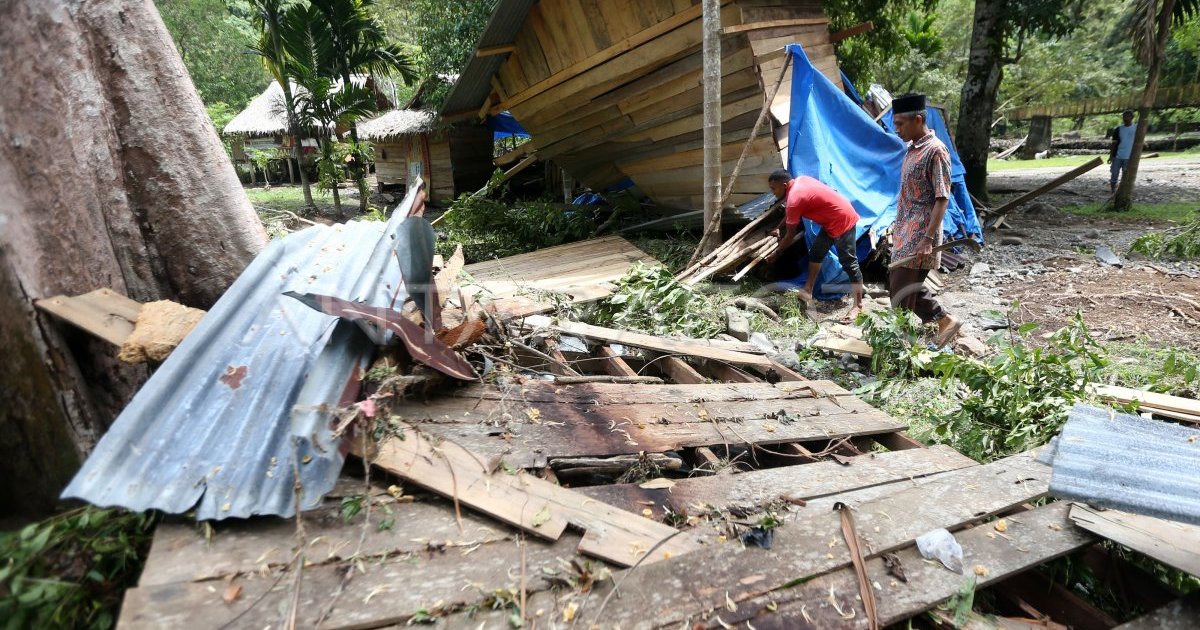
The Disaster Management Agency in Lhokseumawe, Aceh, announced the commencement of a process to remove 30 tons of wooden waste from Buson Dam on Wednesday, April 8. This action is part of broader efforts aimed at mitigating flood risks that threaten the area.
The operation involves the use of specialized equipment to transport the accumulated wooden waste from the dam, which could negatively impact water levels and increase the risk of flooding. Local authorities have confirmed that this step is essential to ensure the safety of residents and properties in the region.
Details of the Operation
Flooding is one of the significant environmental challenges facing many areas in Indonesia, particularly in Aceh. The region has experienced several instances of devastating floods in recent years, prompting authorities to take preventive measures. The removal of wooden waste from Buson Dam is part of a comprehensive plan aimed at improving water management and reducing flood-related risks.
It is important to note that wooden waste can obstruct water flow in dams, leading to unexpected rises in water levels. Therefore, removing this waste is a vital step in maintaining the stability of the dam and ensuring the safety of the population.
Background & Context
Historically, Aceh has faced numerous natural disasters, including earthquakes and floods. In 2004, the region was struck by a devastating earthquake that triggered a tsunami, claiming thousands of lives. Since then, the government has worked to improve infrastructure and emergency planning to address natural disasters.
Water management is a critical issue in Indonesia, as the country is subjected to heavy rainfall seasons that increase flood risks. Thus, enhancing the management of dams and water bodies is essential for protecting local communities.
Impact & Consequences
This operation contributes to raising awareness about the importance of waste management and improving water infrastructure in the region. It also reflects the government's efforts to tackle the environmental challenges facing the country. These measures are expected to help reduce flood risks and enhance water security in Aceh.
Moreover, improved dam management can lead to better water quality and reduced pollution, benefiting local communities and agriculture. These actions may also encourage new investments in water infrastructure.
Regional Significance
The removal of wooden waste from Buson Dam is a crucial step in ensuring the safety of residents and minimizing flood risks, reflecting the government's commitment to improving water management. This initiative not only aims to protect lives and properties but also to foster a sustainable environment for future generations.
In conclusion, the proactive measures taken to manage waste at the dam highlight the importance of environmental stewardship and the need for ongoing efforts to address the challenges posed by climate change and natural disasters.