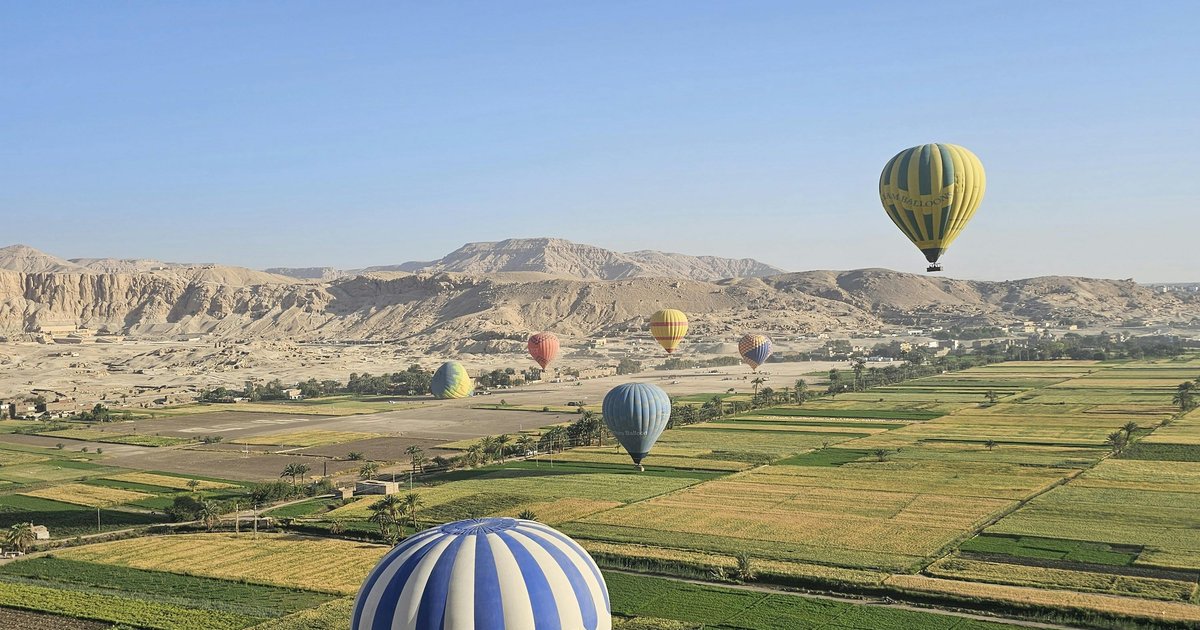
Authorities in Sharqia announced the removal of 378 violations on agricultural land and state property during the 28th wave of removal campaigns. This initiative is part of the government's efforts to protect agricultural land and prevent encroachments.
These campaigns continue as part of the Egyptian government's strategy to safeguard agricultural land, which is considered one of the most important natural resources contributing to the country's food security. Reports have shown that encroachments on agricultural land pose a significant threat to agricultural production, necessitating strict measures to combat this phenomenon.
Details of the Event
During the recent wave, executive authorities collaborated with security forces to carry out immediate removal operations for violations, where several cases representing encroachments on agricultural land and state property were monitored. These campaigns were executed in various centers and villages within the governorate, where the violations were completely removed.
This campaign is part of a series of measures taken by the Egyptian government to address the phenomenon of encroachment on agricultural land, which has seen a noticeable increase in recent years. This campaign is a component of the efforts aimed at preserving the agricultural area in Egypt, which is considered one of the key pillars of the national economy.
Background & Context
Historically, Egypt has faced numerous challenges related to agricultural land, as these lands have been subjected to encroachments by some individuals and companies. These encroachments have led to a reduction in the available agricultural areas, negatively impacting agricultural production and leading to price increases in the market.
The Egyptian government aims through these campaigns to achieve a balance between urban development and the preservation of agricultural land, as these lands are a primary source of food and natural resources. Studies have shown that preserving agricultural land contributes to achieving food security and enhances the country's ability to face food crises.
Impact & Consequences
Forecasts indicate that the continuation of these campaigns will lead to an improvement in the agricultural situation in the country, as it will contribute to increasing the available agricultural areas and enhance local production. Additionally, these measures will help reduce pressures on the agricultural market, potentially leading to price stability.
Moreover, these campaigns reflect the Egyptian government's commitment to protecting natural resources and promoting sustainable development. It is expected that these efforts will contribute to improving the country's economic situation in the long term.
Regional Significance
The issue of encroachment on agricultural land is a significant challenge facing many Arab countries, as some nations suffer from a shortage of agricultural resources due to encroachments and urban expansion. Therefore, Egypt's experience in addressing this phenomenon may serve as a model for other countries.
Preserving agricultural land is vital for achieving food security in the Arab region, which faces significant challenges due to climate change and population growth. Consequently, the efforts made by the Egyptian government may inspire other countries to adopt similar policies to protect their agricultural lands.
In conclusion, the Egyptian government's efforts to remove encroachments on agricultural land represent a positive step towards achieving food security and promoting sustainable development. It is essential that these campaigns continue periodically to ensure the protection of agricultural resources for future generations.