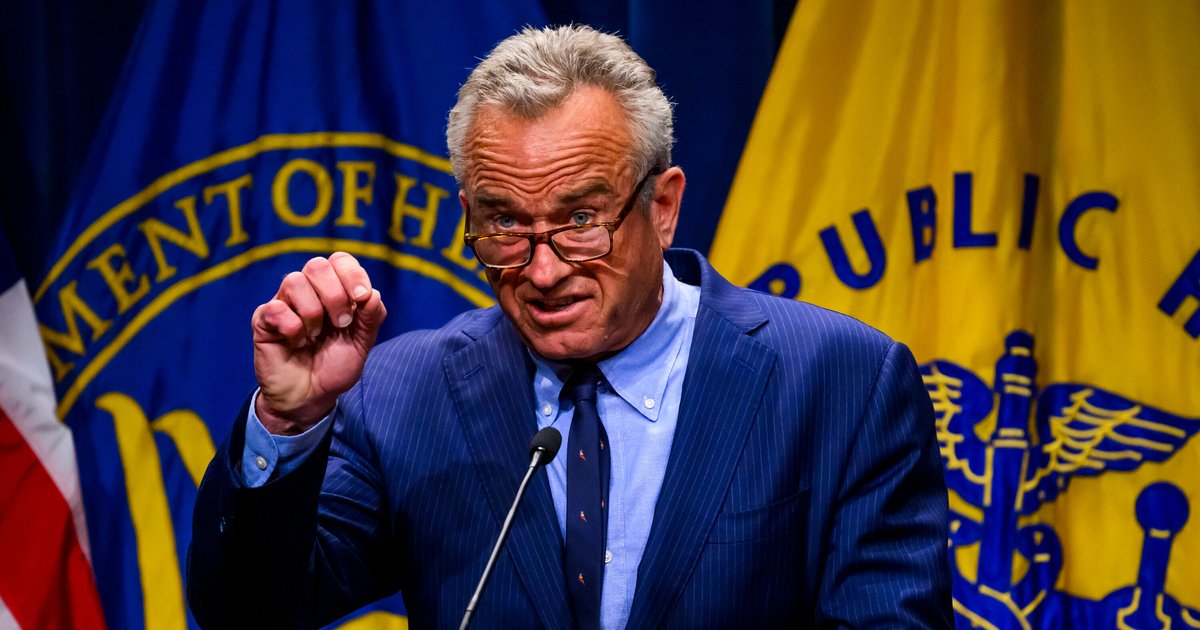
Robert Kennedy Jr., a well-known public health activist, announced the renewal of his mandate, which grants him extensive powers to select members of the Centers for Disease Control and Prevention (CDC) Vaccine Committee. This decision comes after his recent court loss, highlighting his increasing influence in public health and his focus on vaccine-related issues.
This renewal allows him to choose anyone he wishes to include in the committee, raising questions about how this will affect vaccine policies in the United States. Kennedy, known for his controversial stances on vaccines, aims through this move to strengthen his position in public health discussions.
Details of the Event
The renewal of the mandate represents a significant shift in the operations of the CDC Vaccine Committee, as Kennedy can now select members who may share similar views to his own. This could lead to changes in how vaccines are evaluated and approved, raising concerns among some health experts.
This step comes at a sensitive time, as the international community faces significant challenges in combating pandemics and infectious diseases. Kennedy has sparked controversy regarding vaccines, believing that there is a need for greater transparency and accountability in this field.
Background & Context
Historically, vaccines have been a fundamental part of public health strategies in the United States and worldwide. However, in recent years, there has been a rise in anti-vaccine movements, leading to heated debates about vaccine safety and efficacy. Kennedy, who comes from a prominent political family, has used his platform to raise awareness about what he considers important issues in this context.
Over the past years, Kennedy has sought to influence health policies by presenting himself as an advocate for individuals' rights to make health decisions. His positions have helped bolster his supporter base, but they have also drawn criticism from many experts who believe his information may be misleading.
Impact & Consequences
The renewal of Kennedy's mandate could lead to radical changes in how the CDC manages vaccines, potentially affecting health policies in the United States. If Kennedy is able to select members who adopt his views, this could change the way vaccines are evaluated and approved, possibly leading to a decline in trust in vaccines overall.
This situation may have far-reaching implications for public health, as declining trust in vaccines can lead to increased spread of infectious diseases. Additionally, this shift could impact how the government responds to future pandemics.
Regional Significance
In the Arab region, this news may have indirect effects on discussions surrounding vaccines. As awareness of the importance of vaccines in combating diseases grows, the emergence of figures like Kennedy could bolster anti-vaccine movements in some Arab countries, potentially affecting vaccination efforts.
It is crucial for Arab governments to remain vigilant regarding these shifts and to work on enhancing trust in vaccines by providing accurate and reliable information to the public.