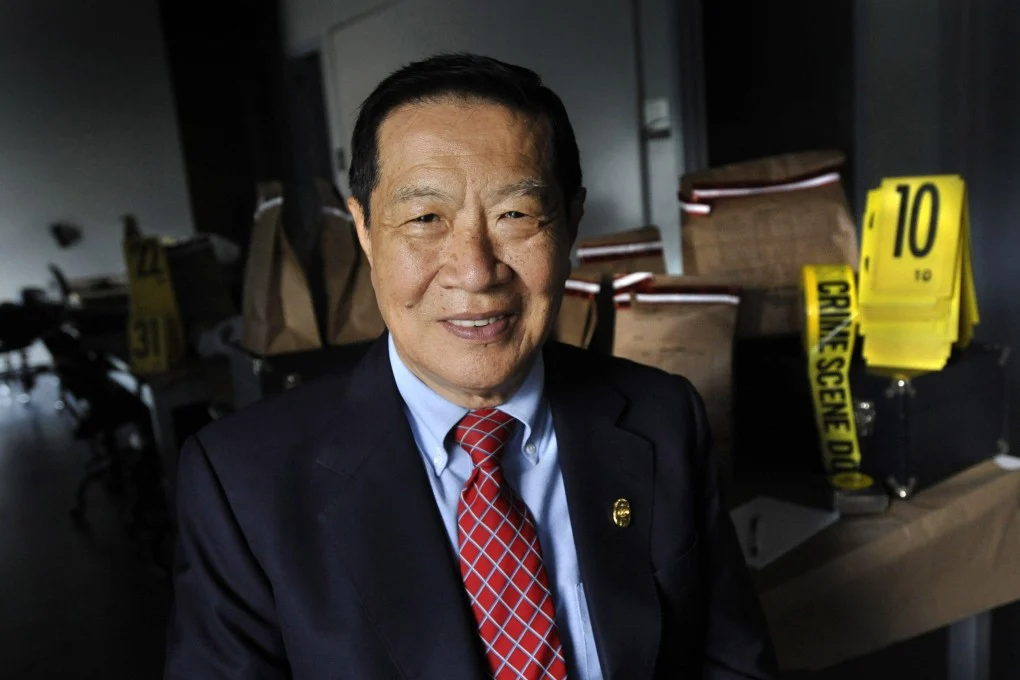
Henry Lee, the renowned American forensic scientist who played a pivotal role in revolutionizing crime scene investigation methods, has passed away at the age of 87. His family announced that he died peacefully on Friday at his home in Henderson, Nevada, after a short illness. Lee, who served as a professor at University of New Haven for over fifty years, left an indelible mark in the field of forensics.
Henry Lee's name gained particular prominence following his testimony in the O.J. Simpson trial in 1995, where his expertise in analyzing forensic evidence shed light on many complex cases. Lee was regarded as one of the foremost experts in his field, helping to establish new standards for criminal investigations.
Details of the Event
Henry Lee passed away at home after a brief illness, and the University of New Haven expressed deep sorrow over the loss of one of its greatest professors. The university's statement noted that Lee had a significant impact on new generations of investigators and scientists in the field of forensics. The statement also highlighted that Lee was known for his passion for education and knowledge transfer, having trained many students who themselves became experts in the field.
Lee was known for his unique style of presenting scientific evidence, as he could simplify complex information to make it understandable to the public. His testimony also contributed to other high-profile cases, making him a well-known figure in the media.
Background & Context
Born in China in 1938, Henry Lee moved to the United States in the 1960s. He earned a Ph.D. in criminalistics from University of New Haven, where he began his academic career. Throughout his career, Lee developed new techniques in forensic science and became a reference in analyzing forensic evidence. His work contributed to improving crime investigation methods, making them more accurate and effective.
The O.J. Simpson trial is considered one of the most famous trials in American history, sparking widespread debate over issues of racism and justice. Lee's testimony was a crucial part of the evidence presented in court, highlighting the importance of forensic science in the judicial system.
Impact & Consequences
The death of Henry Lee is a significant loss to the field of forensic science, where he played a key role in developing this discipline and making it more accepted in society. His work changed the way forensic evidence is handled, positively impacting many criminal cases in the United States and beyond.
Lee also had a considerable influence on education in forensic science, training many students who became leaders in the field. His legacy will continue through the next generations of scientists and investigators who were influenced by his teaching and research.
Regional Significance
Although Henry Lee had no direct ties to the Arab region, his influence in the field of forensic science can serve as a model to follow. With the increasing importance of forensic science in criminal investigations in Arab countries, educational and research institutions can benefit from Lee's methods and techniques.
Lee's passing underscores the importance of developing advanced educational programs in forensic science in the Arab world, contributing to improving the quality of criminal investigations and enhancing justice in communities.