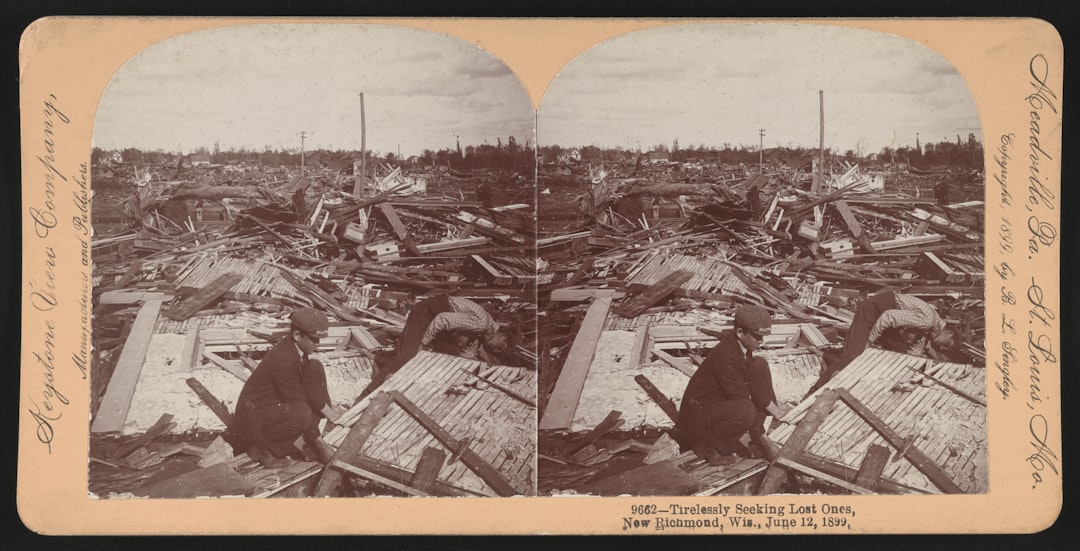
The government of Semarang, Indonesia, has initiated the repair process for 65 homes in the Jatowang area following damage inflicted by a severe cyclone that hit the region on Monday, March 30. The cyclone resulted in the destruction of several homes, with damages ranging from minor to severe, necessitating the intervention of local authorities to provide urgent assistance.
Semarang's mayor, Agustina Wilujeng Pramestuti, stated that the repair efforts will be conducted through a program aimed at rehabilitating uninhabitable homes. Teams from relevant departments have been assigned to begin the assessment and repair process. She also emphasized that urgent assistance will include the provision of food supplies and temporary shelter for those affected.
Details of the Incident
The cyclone that struck the Jatowang area resulted in damage to 65 homes, including 29 homes that suffered severe damage. Logistics assistance was distributed swiftly, including food supplies, tents, and temporary beds. The mayor praised the cooperation of citizens who engaged in collective efforts to repair the damages to their homes, reflecting the spirit of solidarity within the community.
The mayor added that emergency teams from government agencies, such as the local disaster management agency, have begun assessing the damage and distributing cash assistance to those affected. She stressed the importance of a rapid response to assist affected families as quickly as possible.
Background & Context
Natural disasters such as cyclones pose significant challenges to many regions around the world, including Indonesia. Historically, the country has experienced numerous natural disasters, prompting the government to develop effective strategies to address such situations. In recent years, the frequency of these disasters has increased due to climate change, necessitating intensified efforts for preparedness and rapid response.
Semarang is one of the areas prone to severe climate fluctuations, making it vulnerable to such disasters. Therefore, improving infrastructure and raising community awareness on how to deal with natural disasters is essential.
Impact & Consequences
The impact of the cyclone on the local community extends beyond physical damage, leaving psychological and social effects on affected families. The loss of homes signifies a loss of security and stability, requiring psychological and social support to help rebuild their lives. Thus, it is crucial for the government to adopt comprehensive programs to support the affected individuals, including psychological and social assistance.
Moreover, these incidents highlight the urgent need to develop effective strategies for adapting to climate change, as rapid and effective responses can mitigate damages and aid in the quicker reconstruction of communities.
Regional Significance
Natural disasters are a global challenge, affecting all countries, including Arab nations. With the intensifying climate changes, Arab countries also face similar threats such as floods and sandstorms. Therefore, sharing experiences and cooperation among countries in disaster management is essential to enhance resilience against such challenges.
In conclusion, the international community must unite to confront these challenges, as solidarity and cooperation can contribute to reducing damages and improving the lives of those affected.