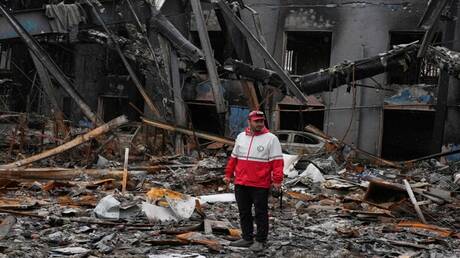
The Iranian Red Crescent Society reported that approximately 21,000 civilians have been injured in Iran due to military strikes conducted by the armed forces of the United States and Israel since the onset of the escalation. These figures come at a sensitive time when the region is witnessing increasing tensions, raising concerns about the humanitarian impact of these military operations.
The strikes, which targeted various areas in Iran, have resulted in severe injuries among civilians, with numerous reports of wounded individuals requiring urgent medical care. These incidents are part of a series of military escalations in the region, complicating the humanitarian situation further.
Details of the Incident
Military pressures on Iran from the United States and Israel continue, with reports indicating that the strikes targeted sites deemed threats to their security. The Iranian Red Crescent Society has issued detailed statements regarding the injuries, noting that most victims are civilians, including women and children.
Concerns are growing that these strikes could exacerbate the humanitarian conditions in the country, which is already suffering from multiple internal crises, including economic and political challenges.
Background & Context
The roots of the current tensions between Iran, the United States, and Israel stretch back many years of political and military conflicts. Since the United States withdrew from the Iranian nuclear agreement in 2018, tensions have escalated, leading to a series of attacks and military responses from both sides.
The complex regional situation, including conflicts in Syria and Iraq, has contributed to the intensification of the conflict. Iran considers itself a key player in these disputes, making it a target for military pressures from the United States and its allies.
Impact & Consequences
The figures announced by the Iranian Red Crescent Society reflect the significant humanitarian impact of the military escalation. The injury of 21,000 civilians indicates that civilians are paying the price in these conflicts, raising questions about international laws regarding the protection of civilians in conflict zones.
Humanitarian organizations anticipate that the continuation of these strikes will worsen the humanitarian situation, as the need for medical and food assistance will increase. Additionally, these events may lead to heightened tensions between Iran and Western countries, negatively affecting regional stability.
Regional Significance
The events in Iran have a direct impact on the situation in the Arab region. The tensions between Iran, the United States, and Israel could lead to escalated conflicts in countries like Iraq and Syria, where Iranian forces are present.
Moreover, these events may affect the relationships between Arab countries and Iran, as concerns grow that military escalation could have negative repercussions on regional security. In this context, Arab nations must closely monitor the situation and seek ways to mitigate tensions.
In conclusion, the situation in Iran poses a significant challenge to peace and stability in the region. As military pressures increase, hope remains pinned on diplomatic solutions that could help ease tensions and improve humanitarian conditions.