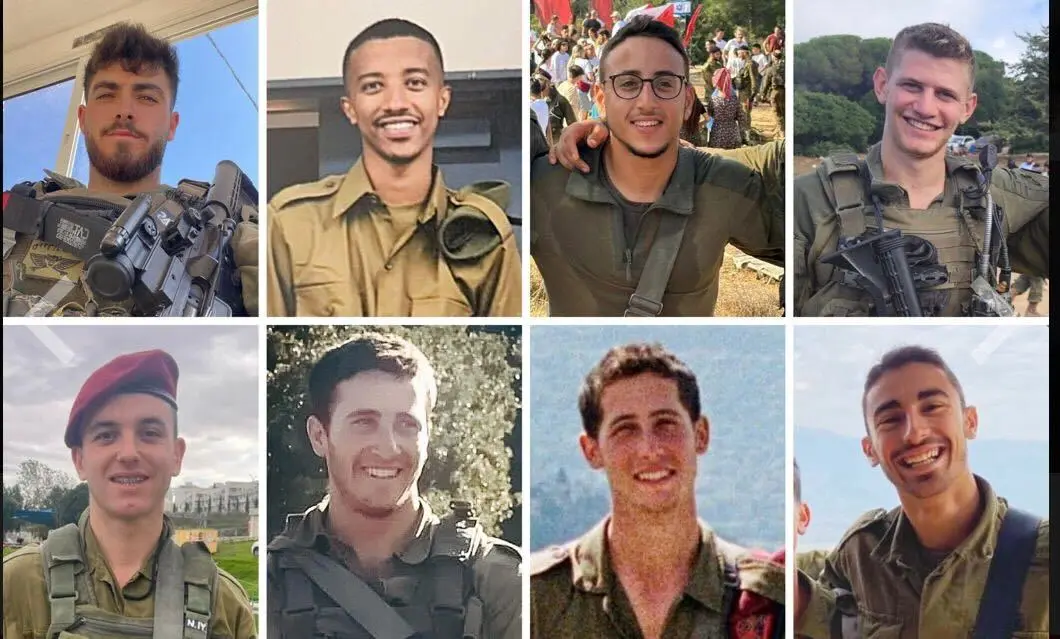
A report by the Hebrew newspaper 'Haaretz' reveals that approximately 24,000 Israeli soldiers from the Israeli occupation forces have sustained brain injuries, reflecting the ongoing negative effects of wars on the mental and psychological health of soldiers. This number includes both regular and reserve soldiers, many of whom have become dependent on assistance in their daily lives.
These figures come at a time when criticisms are increasing regarding how the Israeli government handles soldiers returning from combat zones. The report shows that many of these soldiers suffer from serious psychological and physical effects due to their experiences in wars.
Details of the Incident
The data indicates that brain injuries are not just numbers; they represent human stories reflecting the suffering of soldiers and their families. Many of these soldiers find it challenging to return to their normal lives, which increases psychological pressure on them and their families. Additionally, some require ongoing medical care, placing a burden on Israel's healthcare system.
These statistics serve as a wake-up call regarding the need to improve mental healthcare for soldiers, as the report indicates that the government has not taken sufficient steps to support these soldiers after their return from wars.
Background & Context
Historically, Israel has experienced numerous wars and military conflicts, leading to profound impacts on Israeli society. Since the establishment of the state, Israel has witnessed multiple wars, starting from the War of Independence in 1948 to the recent conflicts in Gaza and Lebanon.
The mental health of soldiers is a sensitive issue in Israeli society, where soldiers are viewed as heroes, which can lead to stigma around seeking psychological help. This situation makes it difficult for many soldiers to acknowledge their suffering and seek support.
Impact & Consequences
Reports indicate that these injuries affect soldiers' ability to return to work and contribute to society. The consequences extend to their families, who face challenges in coping with the soldiers' new situations.
This crisis requires urgent attention from the Israeli government, as priority must be given to improving mental healthcare services and providing adequate support for returning soldiers.
Regional Significance
This issue is significant not only for Israel but for the entire region, as it reflects the effects of wars on individuals and communities. These figures may increase awareness of the need for mental health support in other conflict areas, where many suffer from the impacts of wars.
Ultimately, joint efforts from all concerned parties are required to provide the necessary support and care for soldiers and their families, which may contribute to achieving lasting peace in the region.