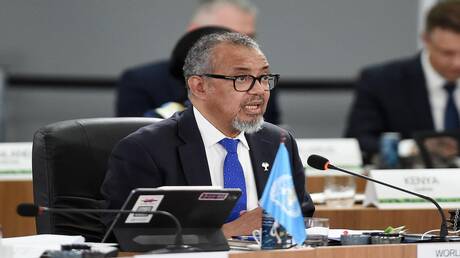
The Director-General of the World Health Organization, Tedros Adhanom Ghebreyesus, reported that Lebanon has witnessed the deaths of 51 medical workers due to armed conflict this month. This alarming statistic reflects the deteriorating situation faced by the healthcare sector in the country, where medical personnel are exposed to significant risks while performing their humanitarian duties.
Reports indicate that the escalation of violence in Lebanon, which has worsened recently, has directly affected the healthcare system's ability to provide essential services. Under these challenging circumstances, doctors and nurses face significant challenges in securing healthcare for the injured and affected, exacerbating the humanitarian crisis in the country.
Details of the Incident
These figures come at a sensitive time for Lebanon, which is suffering from multiple crises, including economic and political collapse. Ghebreyesus noted that medical workers are among the most at risk in conflict zones, facing assaults and harassment while performing their duties. These incidents reflect a painful reality experienced by many doctors and nurses in conflict areas around the world.
In Lebanon, concerns are growing that this situation could worsen health crises, especially amid shortages of medical supplies and medications. International organizations have warned that continued violence could lead to a complete collapse of the healthcare sector, threatening the lives of thousands of citizens.
Background & Context
Lebanon, which has witnessed decades of conflicts and civil wars, is now facing new challenges in the form of economic and political crises. Since 2019, the country has been suffering from a severe economic crisis that has led to the collapse of the national currency and rising rates of poverty and unemployment. In this context, the healthcare system is under immense pressure, lacking the necessary resources to meet the needs of citizens.
Historically, Lebanon was known for its advanced healthcare system compared to other countries in the region, but recent years have seen a significant decline in this sector. The ongoing conflict has led to the displacement of many doctors and specialists, further exacerbating the crisis.
Impact & Consequences
The implications of the deaths of medical workers in Lebanon go beyond humanitarian dimensions, affecting the healthcare system's ability to respond to crises. With escalating violence, healthcare services may collapse, threatening the lives of patients and the injured. Additionally, the loss of medical personnel reflects a crisis of confidence in the healthcare system, which may drive more doctors to leave the country.
Moreover, the continuation of violence could lead to the spread of diseases and increased mortality rates, especially amid shortages of medications and medical equipment. This situation calls for an urgent response from the international community to ensure the protection of healthcare workers and provide the necessary support to the healthcare sector in Lebanon.
Regional Significance
The situation in Lebanon mirrors the challenges faced by many Arab countries suffering from conflicts. Violence against healthcare workers is not a new phenomenon, but part of a broader crisis that includes political and economic instability. These conditions affect Arab countries' ability to provide essential healthcare services, increasing the suffering of citizens in those nations.
In this context, the international community must act urgently to protect healthcare workers and provide necessary support to countries facing conflicts. Health crises do not recognize borders, and their impact extends to all nations, necessitating international solidarity to address these issues.
In conclusion, the killing of 51 medical workers in Lebanon this month serves as a harsh reminder of the realities of conflict and its impact on daily life. There must be concerted efforts to protect healthcare workers and ensure the provision of necessary care to those in need, so that we do not see more tragic figures in the future.