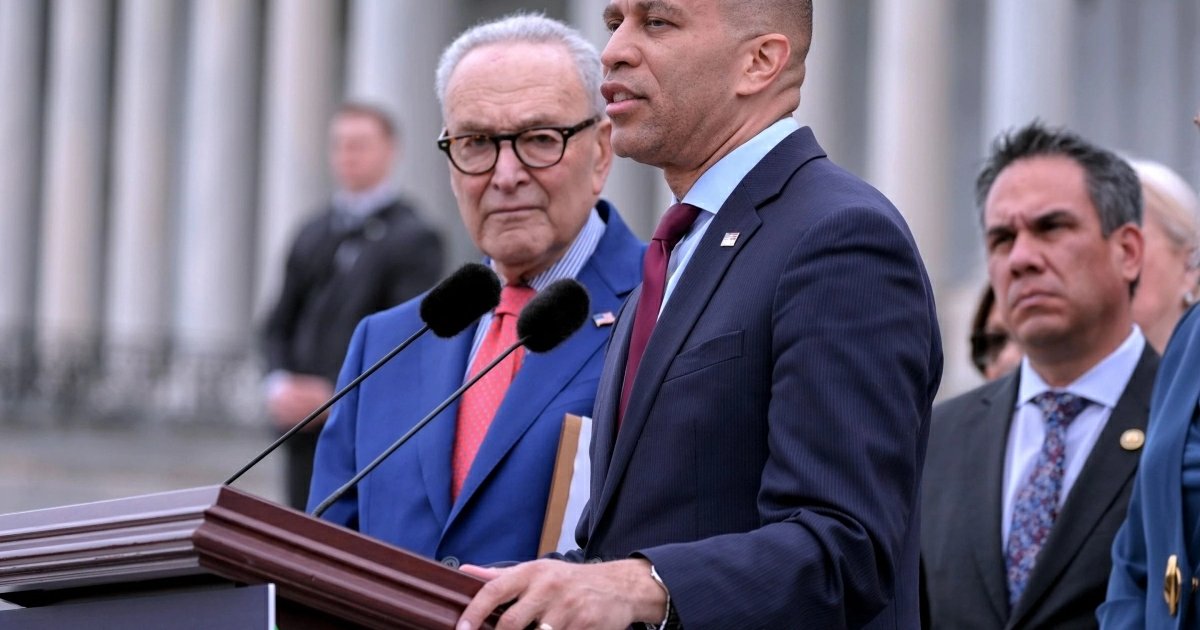
Republicans in the U.S. House of Representatives announced on Thursday a delay in their vote on a resolution demanding President Donald Trump withdraw American troops from the war with Iran or seek congressional approval to continue the conflict. This postponement followed the realization that Republicans lacked the votes needed to defeat this resolution imposed by the Democrats.
This step marks a significant retreat that reveals divisions within the Republican Party at a time when the party has begun to pressure Trump and his agenda more forcefully. The vote was scheduled on a resolution concerning war powers, introduced by the Democrats, aimed at restricting the military campaign led by Trump. However, with several Republicans absent, party leaders decided to postpone the vote until lawmakers return from their break in June.
Details of the Event
This delay is the latest indication of declining support in Congress for the war that Trump initiated over two months ago without congressional approval. Democratic Representative Gregory Meeks, who sponsored the resolution, stated, "We undoubtedly had the votes, and they knew that, so they are playing a political game."
Republicans in the Senate are also working to ensure they have the necessary votes to reject another war powers resolution that was brought to a final vote earlier this week, where four Republican senators supported the resolution while three others were absent from the vote. These actions by congressional leaders show that Republicans are struggling to maintain political support for Trump's approach to managing the war.
Background & Context
Historically, the United States has intervened in military conflicts in the Middle East, often sparking widespread controversy in political and public circles. Since the onset of the war with Iran, tensions in the Strait of Hormuz have escalated, affecting global shipping and driving up gas prices in the United States.
At the same time, Trump faces increasing criticism from within his party, as some Republicans have begun to express their willingness to challenge the president regarding the conflict. Representative Brian Fitzpatrick, a Republican from Pennsylvania, noted that it is time to reconsider the president's legal powers to wage wars without congressional approval.
Impact & Consequences
These political dynamics could lead to a legal confrontation over who holds the ultimate authority in managing military conflicts. The rising calls to pass a war powers resolution may escalate tensions between Congress and the administration.
Additionally, the growing pressure from American voters opposing the war may contribute to changing the positions of some Republican members, reflecting a shift in public opinion regarding military interventions.
Regional Significance
For the Arab region, the escalating tensions between the United States and Iran could significantly impact regional stability. Any military escalation could have serious repercussions for neighboring countries, especially those reliant on shipping through the Strait of Hormuz.
In conclusion, the postponement of the vote in Congress signifies the challenges Trump faces in his foreign policy, and it may have far-reaching effects on U.S.-Iranian relations and stability in the Middle East.