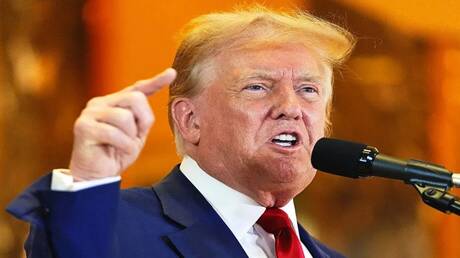
President Donald Trump has revealed plans to request a defense budget of $1.5 trillion for the fiscal year 2027. This budget represents the largest annual increase in defense spending since the end of World War II, reflecting the U.S. approach to strengthening its military capabilities in the face of global challenges.
The proposed budget includes significant investments in various areas, including the development of the Iron Dome, as well as enhancing the naval fleet through the purchase of ships and submarines. These steps come at a time when geopolitical tensions are rising in multiple regions around the world, necessitating an enhancement of U.S. defense capabilities.
Details of the Announcement
The official announcement of the budget is scheduled for Friday, where it is expected to include precise details on how these funds will be allocated. The budget will also encompass funding for research and development in advanced military technology, reflecting the U.S. administration's commitment to fostering innovation in defense.
This move is part of a broader strategy aimed at securing U.S. military superiority in the face of increasing challenges from countries like China and Russia. Additionally, the budget also reflects a trend towards strengthening defense partnerships with allies, contributing to regional and international security.
Background & Context
Historically, U.S. defense spending has seen notable increases during times of crisis, with World War II being a pivotal point in this context. Since then, the United States has continued to periodically increase its defense budget, especially in light of global tensions.
In recent years, concerns over security threats have prompted the U.S. administration to reassess its defense strategies. The new budget comes at a sensitive time, as challenges from nations considered major competitors by the United States are on the rise.
Impact & Consequences
This budget is expected to significantly impact international relations, as it will bolster the U.S. position on the global stage. The increase in defense spending may provoke reactions from competing nations, potentially leading to a new arms race.
Furthermore, this budget could affect the U.S. economy, as it will create new job opportunities in the defense sector, but it may also spark debate over government spending priorities in other areas such as education and health.
Regional Significance
For the Arab region, the increase in U.S. defense spending may affect regional balances. Arab countries that rely on U.S. military support may find themselves in a position that requires them to reassess their defense strategies.
This move could also impact relations between the United States and Arab countries, as some nations may seek to enhance their military capabilities to address potential challenges. It is crucial for Arab nations to monitor developments regarding this budget and its implications for regional security.
In conclusion, the request for a defense budget of $1.5 trillion reflects new strategic trends in the United States and underscores the importance of enhancing military capabilities in light of increasing global challenges.