The province of West Nusa Tenggara (NTB) in Indonesia has submitted an official letter to the Ministry of Forestry, requesting a reevaluation of the status of the Tiga Gili Islands which enjoy a special protection status. This request comes at a critical time as the province seeks to promote sustainable tourism while maintaining the natural environment of the islands.
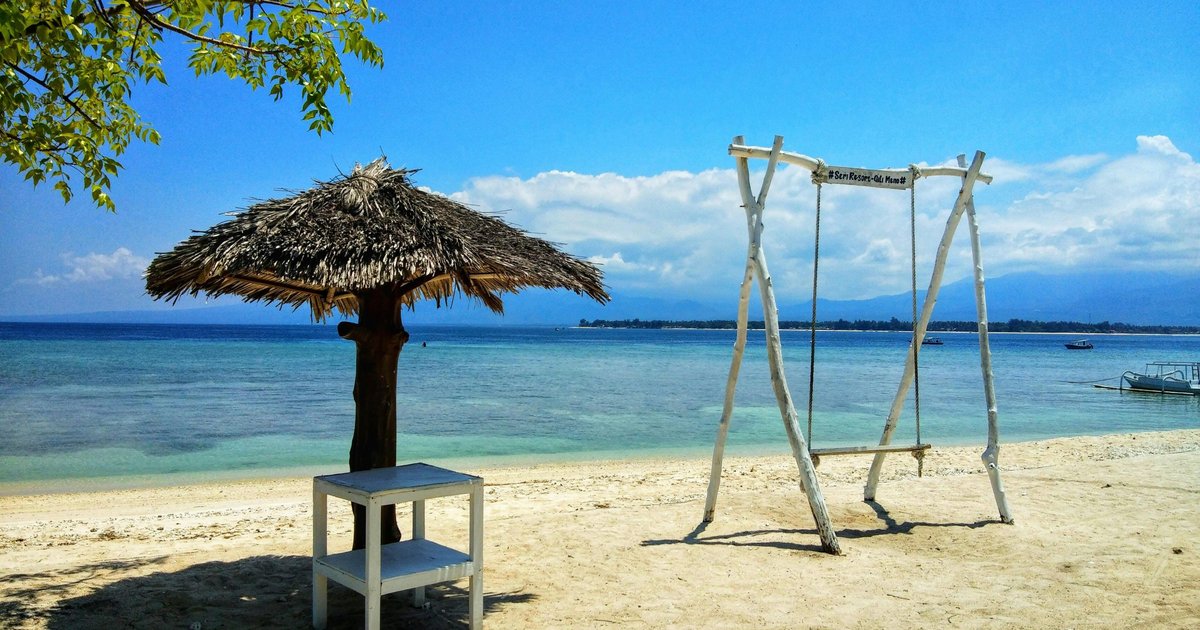
The Tiga Gili Islands, consisting of three small islands, are considered a popular tourist destination, attracting visitors from around the world due to their white sandy beaches and crystal-clear waters. However, their status as a protected area may hinder the development of necessary tourism infrastructure to attract more tourists.
Details of the Request
In its letter, the province of West Nusa Tenggara emphasized the importance of reevaluating the status of the islands, noting that such an assessment would help achieve a balance between environmental protection and tourism enhancement. It was also highlighted that the province is committed to protecting the marine and terrestrial environments in the area while taking steps to ensure sustainable development.
The Tiga Gili Islands are part of a rich ecosystem, containing significant biodiversity, including coral reefs and rare fish species. Therefore, any change in their protection status must be approached with caution and a comprehensive study of the potential environmental impacts.
Background & Context
Historically, the Tiga Gili Islands have been protected under Indonesian laws aimed at preserving the natural environment. With the increasing demand for tourism in the region, pressures have mounted on the local government to reconsider these policies. In recent years, the area has seen a notable increase in tourist numbers, leading to discussions on how to manage this growth sustainably.
The Indonesian government, in general, seeks to promote tourism as part of its economic strategy, but this requires a delicate balance between economic development and environmental protection. Thus, the request from West Nusa Tenggara reflects this ongoing challenge.
Impact & Consequences
If the reevaluation of the Tiga Gili Islands status is approved, it could lead to significant changes in how tourism is managed in the area. This move could open doors for new investments in tourism infrastructure, potentially contributing to the improvement of the local economy.
However, these changes must be accompanied by strict measures to protect the environment, as any degradation of the ecosystem could lead to biodiversity loss and negatively impact tourism in the long term. Therefore, the challenge lies in how to achieve this balance.
Regional Significance
Although this news pertains to Indonesia, there are lessons that Arab countries can learn, especially those that rely on tourism as part of their economies. The balance between tourism development and environmental protection is a global issue, and Arab nations must consider the importance of preserving their natural resources while developing tourism.
Ultimately, this request from the province of West Nusa Tenggara highlights the importance of dialogue between local governments and stakeholders in the tourism and environmental sectors. Clear strategies must be in place to ensure the sustainability of natural resources while promoting economic growth.