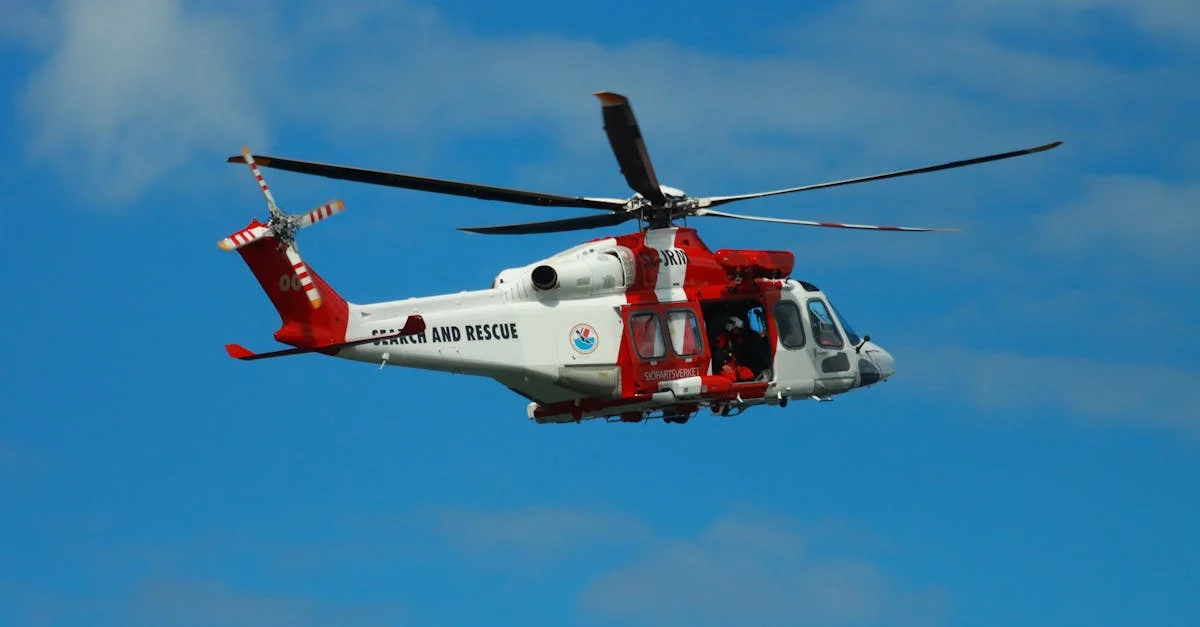
U.S. special forces successfully rescued a second officer from an F-15E fighter jet shot down over Iran, in what President Donald Trump described as a 'historic' operation. The mission, which involved hundreds of commandos and extensive air cover, is considered one of the boldest and most complex rescue operations in the history of U.S. special operations.
Reports from U.S. media indicate that the pilot, who holds the rank of Colonel, was injured after parachuting but managed to hide in a rugged mountainous area for over 24 hours. He was able to evade pursuit from units of the Iranian Revolutionary Guard that were racing against time to reach him.
Details of the Operation
The Axios website reported from U.S. officials that special forces (commandos) successfully rescued the second officer from the crew of the fighter jet that was shot down by Tehran over the southwestern part of the country. The officer relied on secure and highly encrypted communication devices to coordinate with the commando teams from his location in the Iranian mountains. The aircraft crew made an immediate contact via advanced distress systems after parachuting, which enabled the Central Intelligence Agency (CIA) and the Pentagon to accurately locate them despite ongoing evasion and pursuit by the Revolutionary Guard.
The operation, executed on Saturday night, involved hundreds of special operations forces and dozens of warplanes and helicopters, in addition to advanced intelligence, cyber, and space capabilities to accurately locate the officer. Sources reported that U.S. Air Force aircraft conducted intense airstrikes on Iranian convoys and forces attempting to approach the officer's hiding area.
Background & Context
This operation comes at a sensitive time, as the Department of Defense (Pentagon) had previously issued statements regarding 'absolute control' over Iranian airspace. The downing of the manned American aircraft by hostile fire is the first since the onset of the recent military campaign on February 28. This incident raised questions about the effectiveness of Iranian air defenses and the ability of U.S. forces to carry out complex operations deep within Iranian territory.
The New York Times reported that the operation was not without material losses, as U.S. forces had to blow up two transport aircraft that malfunctioned during the operation at a temporary base inside Iran, to ensure that their technology did not fall into Iranian hands before all special forces left Iranian airspace.
Impact & Consequences
This operation serves as a strong message from the United States to Iran, reflecting Washington's commitment to protecting its forces anywhere. It also demonstrates the ability of U.S. forces to conduct complex operations in challenging environments, which may impact Iran's strategy in dealing with external threats.
On the other hand, the Iranian Revolutionary Guard announced that it shot down an American drone south of Isfahan last night, which was participating in efforts to search for the American pilot, further complicating the security situation in the region. Reuters reported that two Black Hawk helicopters involved in the search operation were hit by Iranian fire but managed to exit Iranian airspace.
Regional Significance
These events illustrate the rising tensions between the United States and Iran, which could directly affect security and stability in the Arab region. Any military escalation could lead to wide-ranging repercussions for neighboring countries, prompting Arab nations to adopt cautious stances towards the rapidly evolving developments.
In conclusion, this operation remains an example of the complexities faced by military forces in modern conflicts, where military and intelligence aspects increasingly overlap.