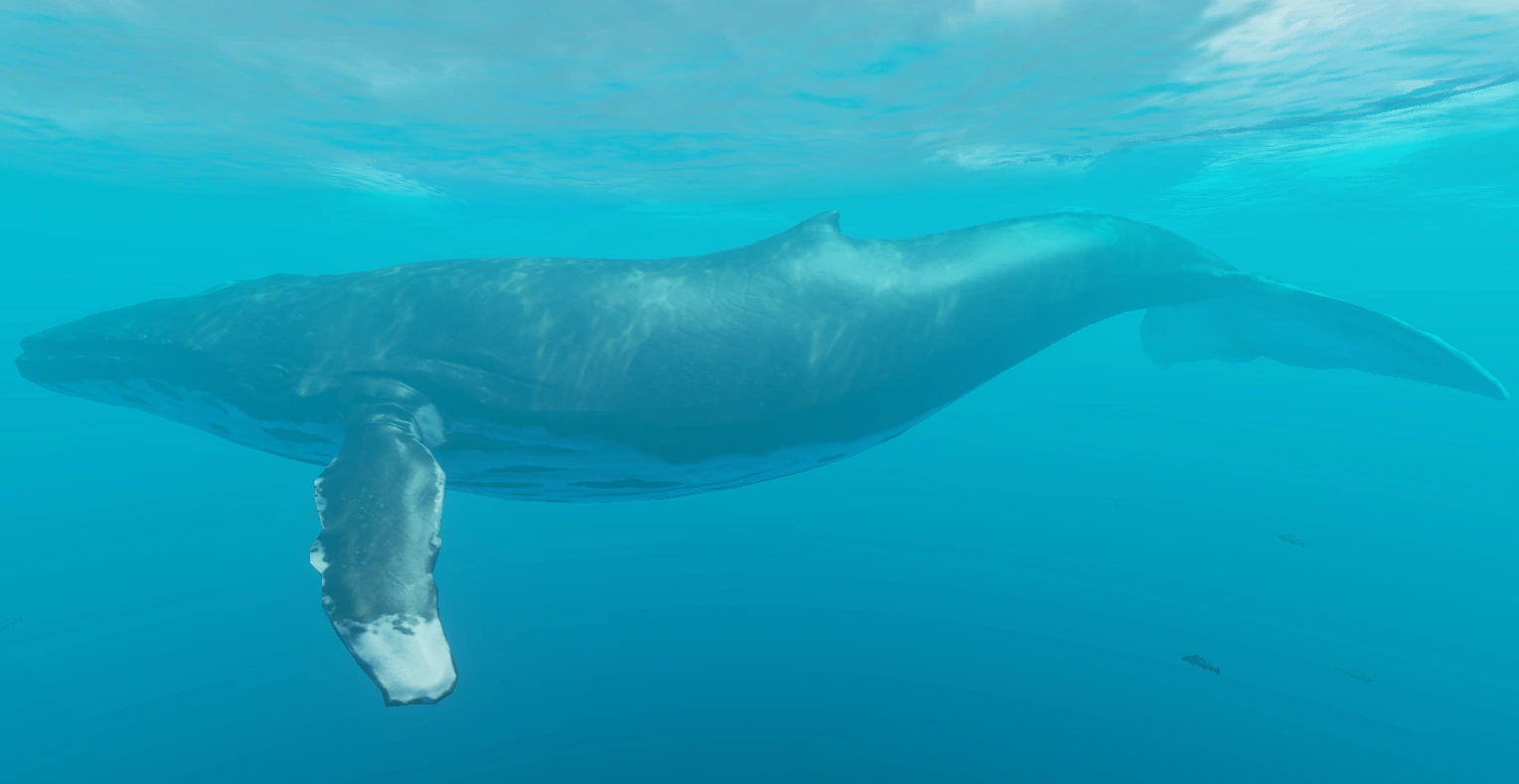
After more than a week of continuous efforts to rescue a grouper whale stranded off the northern coasts of Germany, officials have announced that hope for its rescue has been lost. The whale, which became stuck on the sands of Poel Island, is suffering from severe weakness and is expected to die soon.
The whale, first spotted in German waters in early March, became stuck on the sands of Timmendorfer Beach, near the city of Travemünde, after being reported to have been caught in fishing nets. Environmental experts noted that the whale is suffering from a skin condition resulting from low salinity levels in the Baltic Sea, complicating its health situation.
Details of the Incident
In an emotional press conference, Berckard Baschik, the head of the German Oceanographic Museum, stated that they believe the whale's chances of survival have ended. He pointed out that the whale has become extremely weak and cannot swim away from the shallow area where it is stuck.
Despite the significant efforts made by the rescue team, including digging a channel to help it swim to deeper waters, the whale did not respond positively. After failed attempts to guide it towards the saltier waters of the North Sea, it ended up becoming stuck again in a coastal bay near the city of Wismar.
Background & Context
Grouper whales are considered an endangered species and face numerous challenges in their natural environment, including pollution and overfishing. The whale spotted in the Baltic Sea reflects the negative impact of environmental changes on these marine species, as the declining salinity levels in the sea affect their health and ability to survive.
Historically, the German coasts have witnessed similar cases of whale incidents, where many species have suffered from similar problems due to environmental changes and fishing. These incidents raise concerns about how human activities impact marine life.
Impact & Consequences
The loss of hope for saving this grouper whale represents an environmental tragedy, reflecting the challenges faced by marine species in the face of climate change and pollution. This incident raises questions about how to improve protection and intervention strategies in such cases.
It is important to enhance efforts to protect marine species by increasing awareness and education about the importance of preserving the marine environment. Governments and environmental organizations should collaborate to develop effective strategies to protect these endangered species.
Regional Significance
Although the incident occurred in Germany, it reminds us of the importance of preserving the marine environment worldwide, including in the Arab region. The Arab seas are home to many endangered marine species, and continuous efforts must be made to protect them from pollution and overfishing.
Enhancing environmental awareness in the Arab region can contribute to the protection of marine life, positively impacting biodiversity and the local economy. Effective strategies should be in place to address the environmental challenges facing the Arab seas.