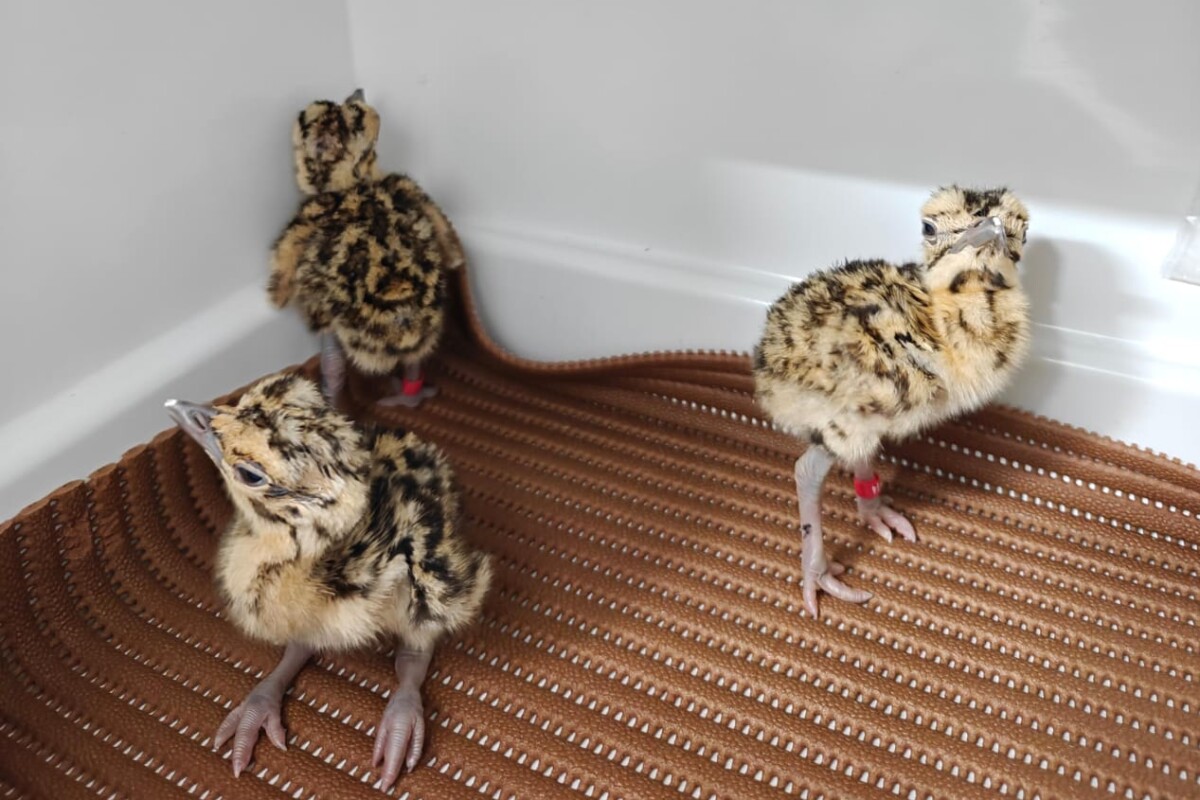
In an unprecedented move, young bustards have received protection from 50 volunteers following strenuous rescue efforts. This initiative is part of global efforts to protect endangered species. The young bird was discovered in a protected area, where swift actions were taken to ensure its safety and the continuity of its species.
Bustards are considered an endangered species, with their numbers significantly declining in recent years due to habitat loss and poaching. A team of volunteers and experts has been organized to protect this young bird, providing the necessary care in a safe environment.
Details of the Rescue Efforts
The protection process involves providing food and shelter for the young bird, as well as monitoring it periodically to ensure its safety. Tasks have been distributed among the volunteers, with each taking on specific responsibilities to ensure the bird is not exposed to any danger. These efforts reflect the local community's commitment to protecting the environment and wildlife.
This initiative serves as a model for how to handle endangered species, demonstrating that teamwork can make a significant difference in preserving biodiversity. The volunteers have shown great enthusiasm for participating in this mission, reflecting the growing environmental awareness in the community.
Background & Context
Historically, bustards lived across vast areas of Europe and Asia, but climate change and urban expansion have led to a significant decline in their numbers. In recent years, many countries have begun taking measures to protect these species, including establishing nature reserves and enforcing strict laws against poaching.
Bustards are considered a symbol of biodiversity, and their presence in the environment is an indicator of ecosystem health. Therefore, any efforts to conserve them represent a positive step towards overall environmental protection.
Impact & Consequences
This initiative highlights the importance of collaboration between local communities and government entities in protecting endangered species. The success of these efforts could encourage more similar initiatives in other regions, contributing to increased environmental awareness and community participation in wildlife protection.
Moreover, protecting endangered species like the bustard can have a positive impact on eco-tourism, as these species can attract visitors interested in nature and wildlife, thereby boosting the local economy.
Regional Significance
In the Arab region, many endangered species face similar challenges, necessitating urgent action for their protection. The experience of protecting the bustard can serve as a model for Arab countries, where environmental awareness can be enhanced, and the role of local communities in protecting biodiversity can be activated.
Strengthening efforts to protect endangered species in the Arab region can contribute to improving the environment and promoting eco-tourism, benefiting local communities.