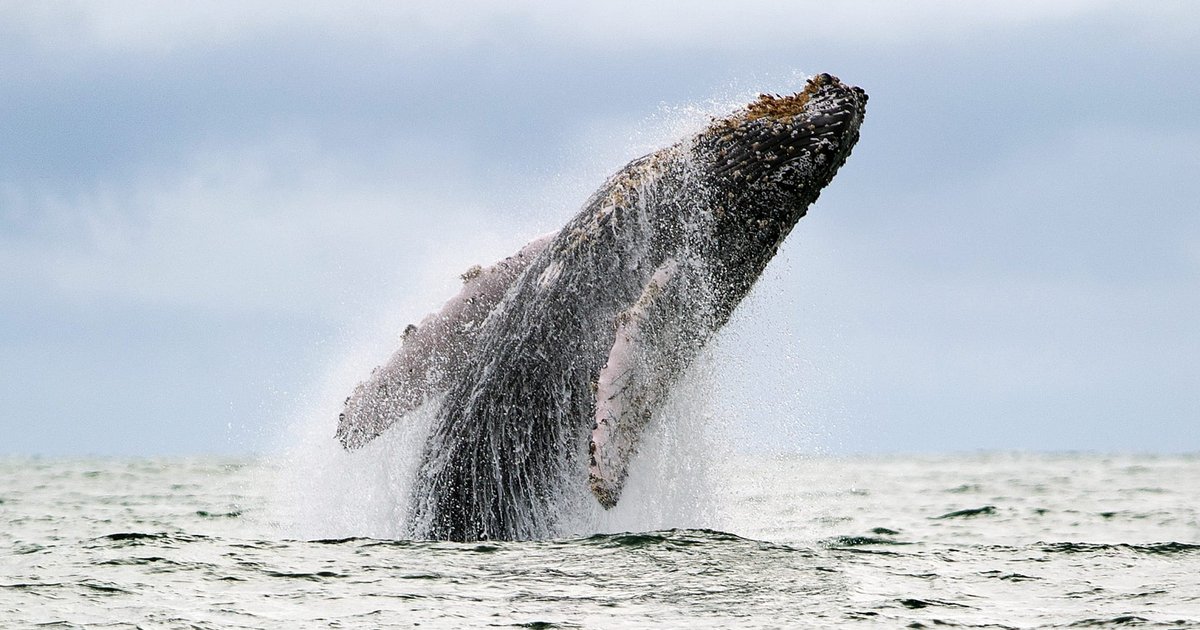
A rescue team successfully freed a massive humpback whale that had been stranded on the beach in Timmendorfer, Germany, for several days. The whale, measuring between 12 and 15 meters, has now begun its journey back to the Atlantic Ocean after extensive rescue efforts. The whale was first spotted on Monday, but initial rescue attempts failed to release it.
Rescue efforts continued until Friday, when teams managed to dig a channel using heavy equipment, allowing the whale to return to the sea. The operation was slow, as rescuers were careful to acclimate the whale to the sounds of the heavy machinery to avoid startling it.
Details of the Rescue Operation
After several unsuccessful attempts, signs of life began to appear from the whale on Thursday, as it slowly started to move towards the dug channel. The rescue team used loud sounds to encourage the whale to continue, and it responded with its own humming sounds. According to marine biologist Robert Mark Lehmann, the whale had "gathered its strength" overnight and "freed itself with its own efforts."
On Friday morning, German media reported that the whale was spotted swimming in the Lübeck Bay, south of Denmark, indicating the success of the operation. This incident highlights the challenges faced by marine life in coastal areas.
Background & Context
Whales are considered threatened marine creatures due to environmental changes and human activities. These animals face numerous dangers such as pollution, fishing, and habitat destruction. The humpback whale, which is a migratory species, faces significant challenges during its long journeys.
Historically, European coastlines have witnessed many similar incidents where stranded whales have been rescued. These events raise concerns about the health of oceans and marine environments, necessitating greater efforts to protect these creatures.
Impact & Consequences
This incident underscores the importance of rescue efforts and awareness in protecting marine life. The success of the rescue operation reflects the capability of specialized teams to handle such cases and enhances public awareness about the importance of preserving marine environments.
Moreover, this incident may increase pressure on governments and environmental organizations to adopt more effective policies for protecting marine habitats and supporting scientific research related to marine life.
Regional Significance
Although the incident occurred in Europe, it resonates in the Arab region, where Arab coastlines also face similar challenges. The Red Sea and the Arabian Gulf are home to many marine creatures, including whales, which need effective protection from pollution and overfishing.
Enhancing environmental awareness in Arab countries can contribute to the protection of marine life, and there should be joint efforts to safeguard oceans and seas that are vital sources of food and economy.