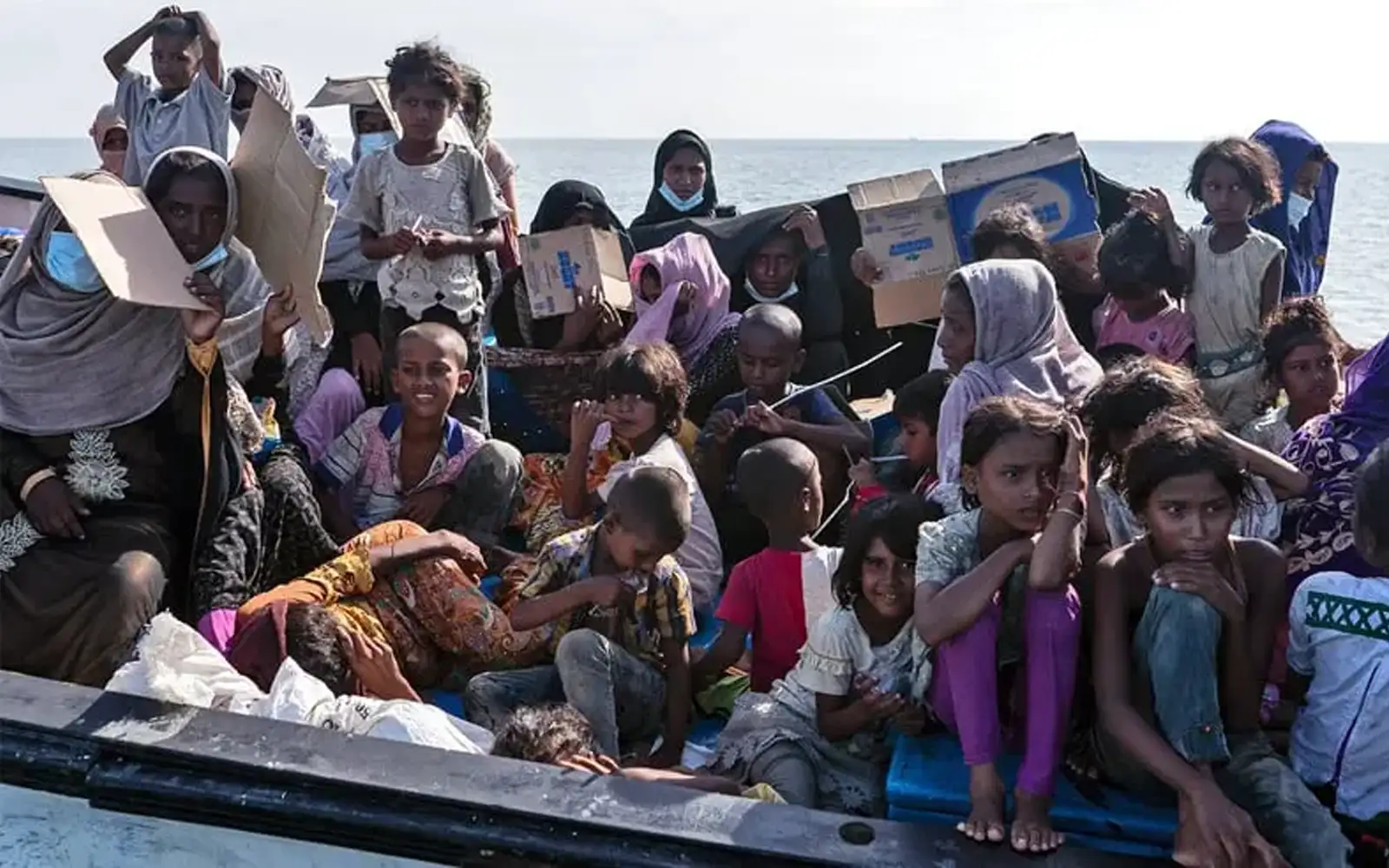
In a dramatic incident, rescue teams from the North Jakarta Fire and Rescue Agency managed to save nine passengers who were stranded in the waters of Pira Bisar after their ship malfunctioned on Saturday evening, March 28. The vessel, named KM Percaya, experienced an engine failure while navigating through the area, causing panic among the passengers.
According to statements from Gato Sulaiman, the operations officer at the agency, a report about the incident was received at 19:57 local time. A team of six members was dispatched to the scene using a rescue boat, and the evacuation operation began at 20:07 and concluded at 20:48.
Details of the Incident
During the evacuation, one passenger suffered a sting from a poisonous fish, necessitating immediate medical attention. However, Gato confirmed that all passengers were successfully and safely rescued. This incident highlights the importance of rapid response by rescue teams in maritime emergencies, where adverse weather conditions or technical failures can threaten the lives of passengers.
It is noteworthy that the ship was under the command of Akbar, who was on board during the incident. The incident was reported by Laura Pulau Harapan, reflecting the importance of effective communication between local authorities and rescue teams.
Background & Context
Ship incidents in Indonesian waters are common, as the country is known for its extensive network of islands and waterways. In recent years, Indonesia has witnessed numerous maritime accidents due to adverse weather conditions or technical failures. In 2018, for example, a tourist boat sank in Lake Toba, resulting in the deaths of several passengers.
The Indonesian government is striving to improve maritime safety standards, but significant challenges remain, including poor maintenance of vessels and a lack of adequate oversight. Incidents like the one in Pira Bisar underscore the urgent need to enhance maritime safety and provide adequate training for crews.
Impact & Consequences
This incident sheds light on the importance of having effective emergency plans and rapid responses from rescue teams. It also highlights the need to improve maritime infrastructure and strictly enforce safety standards. If effective measures are not taken, such incidents may recur, putting passengers' lives at risk.
Moreover, maritime accidents can impact tourism in the region, as tourists may avoid traveling to areas with frequent incidents. Therefore, enhancing maritime safety can contribute to improving Indonesia's image as a safe tourist destination.
Regional Significance
While the incident may seem relevant only to Indonesia, there are lessons that Arab countries can learn. Many Arab nations have coastlines and waterways, making them susceptible to similar incidents. Therefore, enhancing maritime safety standards and emergency response training should be a priority for Arab countries.
In conclusion, the rescue of passengers in Pira Bisar underscores the importance of rapid response and good planning in maritime emergencies. Continuous efforts are needed to improve maritime safety on a global scale, including in Arab countries.