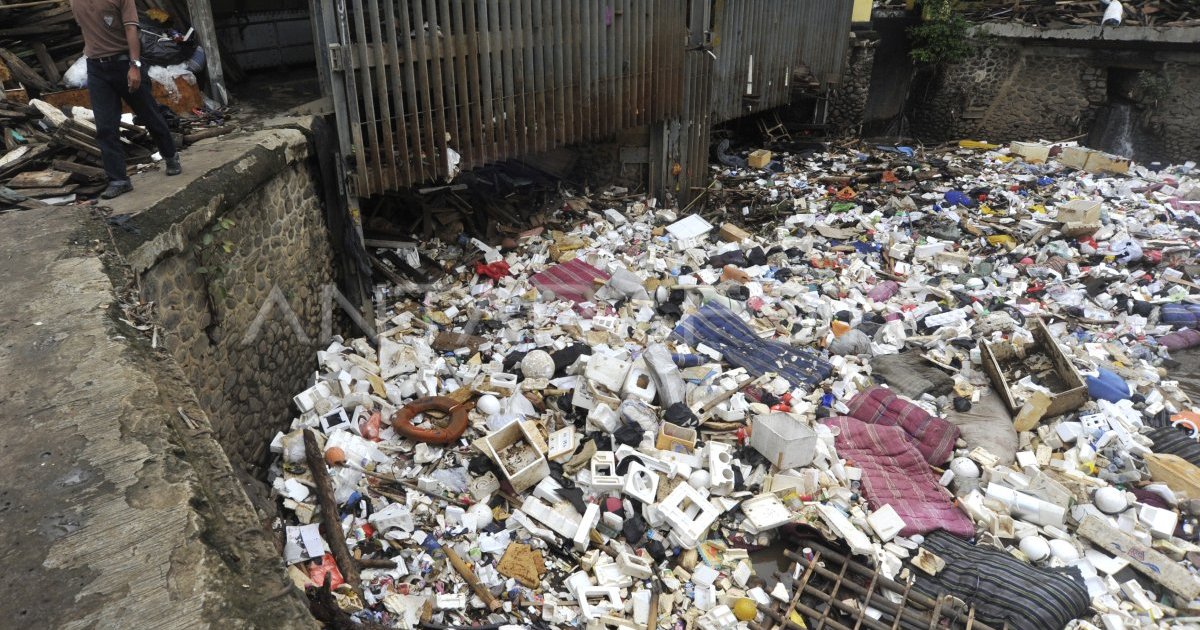
Residents of the Pondok Kofi area in East Jakarta are facing significant waste accumulation at a temporary waste collection site (TPS) known as Rawadas. This issue has led to the emission of foul odors and difficulties accessing the Malaka 1 Cemetery. The situation has worsened following the Eid al-Adha holiday, which saw an increase in social activities such as cemetery visits.
Local resident Sahrol (49 years old) expressed his frustration with the situation, stating, "The foul odors make visits uncomfortable, especially after the holiday. We hope the road will be expanded and cleaned to make it more comfortable for citizens." He also pointed out that the road leading to the site is covered in waste, further increasing the suffering of visitors.
Details of the Situation
Complaints from residents in the area are on the rise, with Vivi (38 years old) confirming that the situation has become unbearable, as passage is difficult due to muddy roads filled with waste. She explained, "The road is wet and full of waste, making it hard to walk on, especially with rising temperatures."
Residents hope for a swift waste transfer to the Integrated Waste Processing Site (TPST) in Bantargebang, as the accumulation of waste at Rawadas not only affects comfort but also threatens public health.
Background & Context
The issue of waste accumulation in Jakarta is a persistent problem that the city faces, exacerbated by a significant increase in population leading to higher waste production. The waste collection system suffers from a lack of equipment and resources, resulting in recurring congestion issues at waste collection sites.
Recently, Nuno Hadi Purwanto, head of RW 02 in Pondok Kofi, pointed out that waste is piling up due to the unavailability of trucks for transport, with waste heights reaching between 2 to 4 meters in some areas.
Impact & Consequences
This problem negatively impacts the quality of life in the area, as the foul odors contribute to the deterioration of public health. Additionally, waste accumulation hinders traffic and makes it difficult for residents to access essential services.
The situation requires urgent government intervention, as citizens are demanding an increase in the number of trucks designated for waste collection, along with the reorganization of waste collection sites to be located away from residential areas.
Regional Significance
This issue in Jakarta reflects similar challenges faced by many Arab cities, which are also struggling with increasing waste due to rapid population growth. Lessons learned from this case could help improve waste management in Arab cities, contributing to better public health and environmental conditions.
In conclusion, the current situation in Jakarta requires a swift response from the local government, as improving waste management is not only an environmental necessity but also a fundamental right of citizens to live in a healthy environment.