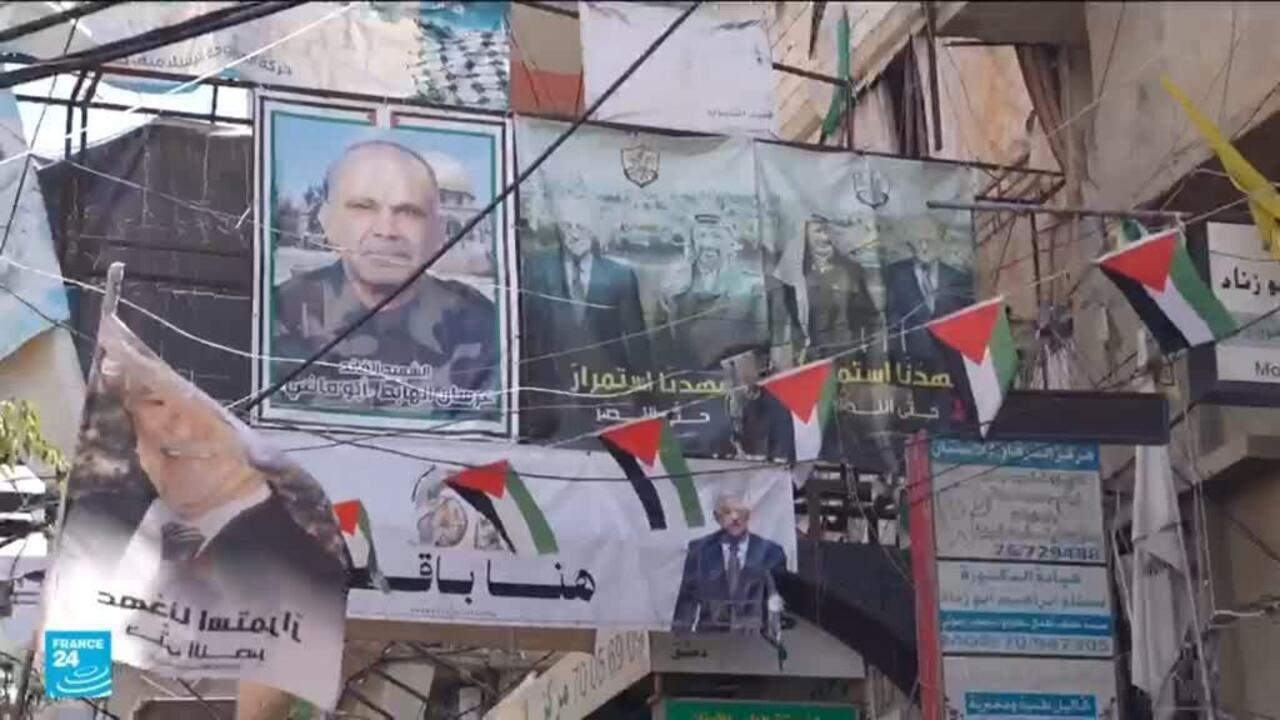
The Israeli attacks on the southern suburbs of Beirut continue, with the area experiencing repeated bombardment since March 2. Despite Israel classifying the Palestinian Bourj al-Barajneh camp as a high-risk "red zone," the camp's residents choose to remain in their homes, defying the life-threatening risks.
During a field visit by a France 24 team, the difficult conditions faced by the camp's residents were observed, with growing fears of escalating bombardment. Nevertheless, the residents showed determination not to leave their homes, asserting that the camp is their homeland, and they will not abandon it regardless of the circumstances.
Details of the Situation
Since the onset of the bombardment, the southern suburbs of Beirut have witnessed widespread destruction of infrastructure and homes. Many houses have been severely damaged, leading to the displacement of some families, while others have chosen to stay despite the risks. In Bourj al-Barajneh camp, the effects of the bombardment are visible on the buildings, while residents continue their daily lives under harsh conditions.
Bourj al-Barajneh camp is considered one of the largest Palestinian camps in Lebanon, and its residents have been suffering from difficult economic and social conditions even before the escalation of the bombardment. However, the strong social ties among the residents make them cling to their land, as they refuse to leave the camp, which represents a part of their identity.
Background & Context
Historically, the southern suburbs of Beirut have witnessed numerous armed conflicts, serving as a battleground for various factions. The Arab-Israeli conflict has exacerbated the situation in the region, leading to the marginalization and deprivation of Palestinian camps. In recent years, tensions between Israel and Hezbollah have increased, resulting in intensified bombardment of civilian areas.
Thousands of Palestinians live in Bourj al-Barajneh camp, having fled their homeland due to the ongoing conflict. These communities have suffered from poverty and unemployment, making them more vulnerable to crises. As the bombardment escalates, residents face new challenges in maintaining their daily lives.
Impact & Consequences
The situation in Bourj al-Barajneh highlights the humanitarian challenges faced by Palestinian communities in Lebanon. With the increasing bombardment, pressure on essential services such as health and water is mounting. The rising displacement may further exacerbate humanitarian conditions, necessitating international community intervention.
This situation serves as a reminder to the world of the importance of finding a comprehensive solution to the Israeli-Palestinian conflict. With the bombardment continuing, fears of worsening humanitarian conditions are growing, requiring urgent responses from humanitarian organizations and concerned nations.
Regional Significance
The conditions in Bourj al-Barajneh affect stability in the broader Arab region. As tensions rise in Lebanon, neighboring countries may be impacted, increasing the likelihood of new conflicts erupting. Additionally, the deteriorating humanitarian situation could lead to a flow of refugees to other countries, putting additional pressure on governments in the region.
The events in Bourj al-Barajneh are part of a larger picture of the Arab-Israeli conflict, where the Palestinian issue remains a central focus in regional politics. The ongoing bombardment of Palestinian camps underscores the urgent need for peace and stability in the region.