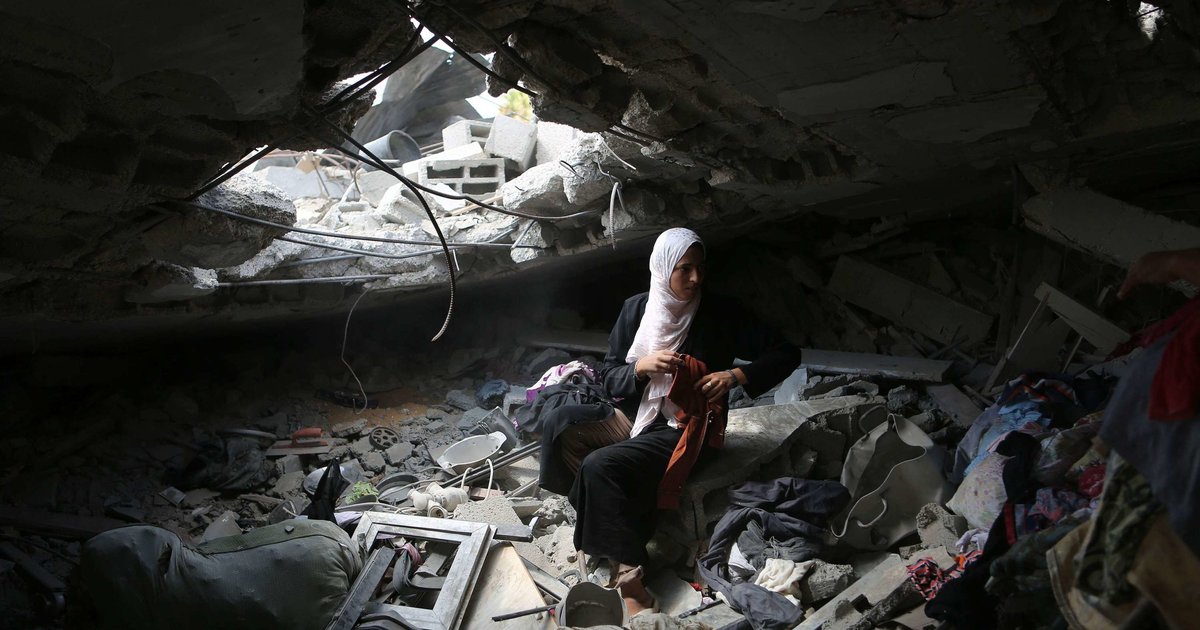
Residents of Gaza are living in harsh conditions after the war's conclusion, with hundreds of thousands affected by ongoing attacks that have destroyed their neighborhoods and cities. As weather fluctuations increase, the displaced find themselves in a difficult situation, unable to rely on tents that no longer provide adequate protection against rain and wind.
Water leaking into tents and tearing them apart due to the wind has exacerbated the suffering of these displaced individuals, prompting them to consider alternative solutions. Among these solutions, residents have begun building temporary mud houses, a step that reflects their resilience and determination to adapt to difficult circumstances.
Details of the Situation
The number of displaced individuals in Gaza is rising, with estimates indicating that over 700,000 people have been displaced since the war began. With many homes destroyed, the search for safe shelter has become urgent. The mud houses being constructed offer some protection from the elements, but they do not compensate for the loss of original homes.
Under these circumstances, residents are working together to gather the necessary materials to build these houses, using mud and stones available in the area. These efforts reflect a spirit of cooperation and solidarity among community members, who are striving to provide shelter for their families.
Background & Context
Historically, Gaza has witnessed numerous wars and conflicts, but the current situation is among the worst. Repeated wars have led to the destruction of infrastructure and rising rates of poverty and unemployment. With the ongoing blockade, residents find themselves facing significant economic and social challenges.
Temporary mud houses are an ancient traditional solution, used by people in various parts of the world as a means of survival in difficult conditions. However, the current circumstances in Gaza render this solution temporary and insufficient to meet the long-term needs of the population.
Impact & Consequences
The repercussions of the current situation extend beyond Gaza, affecting regional stability. The increasing number of displaced individuals and rising poverty rates could exacerbate humanitarian conditions, necessitating international community intervention to assist these populations.
Moreover, the construction of mud houses reflects the residents' ability to adapt, but it also highlights the urgent need for reconstruction and humanitarian aid. The continuation of the current situation may lead to worsening humanitarian crises in the region, calling for an immediate response from humanitarian organizations and concerned countries.
Regional Significance
The situation in Gaza serves as a mirror reflecting the challenges faced by many Arab countries. Ongoing conflicts and humanitarian crises affect stability in the region, raising concerns among neighboring countries and the international community.
What is happening in Gaza reminds us of the importance of Arab solidarity in facing crises. Cooperation among Arab countries can contribute to providing the necessary support for affected populations and enhance efforts for reconstruction and sustainable development.
In conclusion, the residents of Gaza remain a symbol of resilience and will, as they strive to build a better future despite all challenges. The construction of mud houses is not merely a temporary solution but an expression of hope for a better tomorrow.