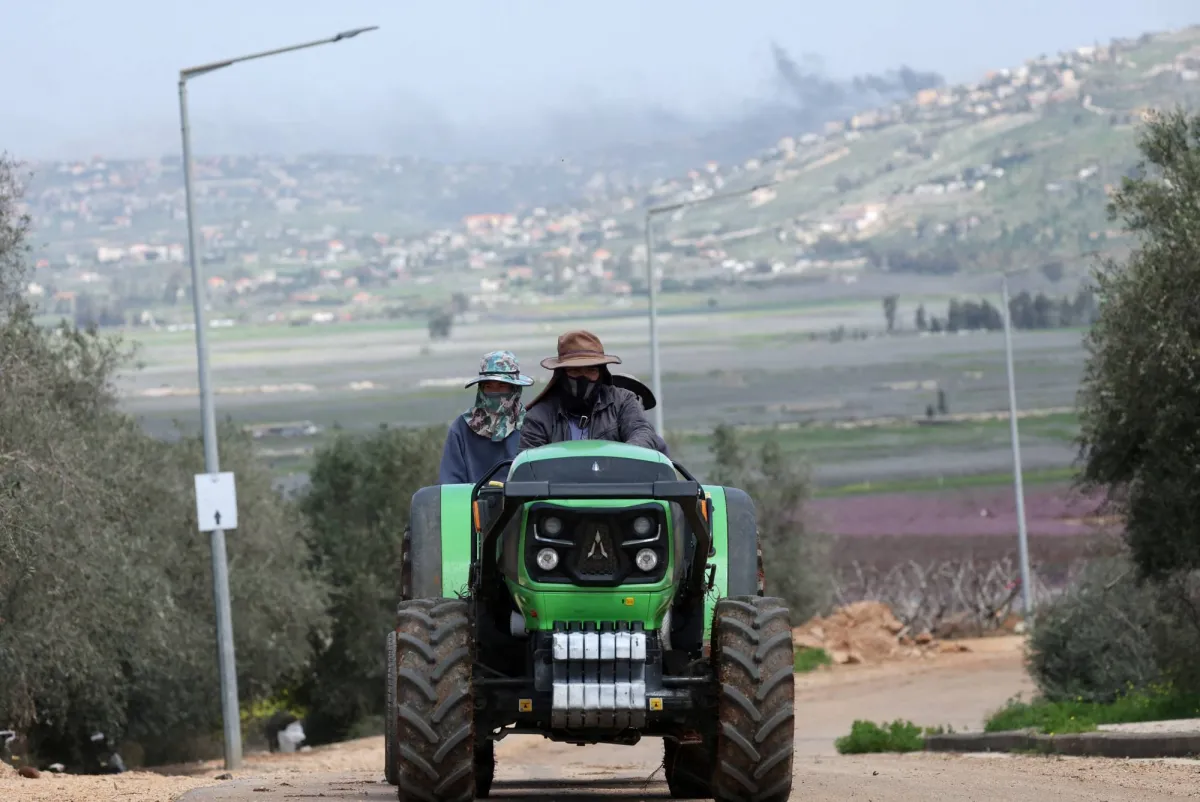
Despite ongoing shelling from Hezbollah, residents of northern Israel are determined to return to their homes. Orna Feinberg, who lost much during her displacement, asserts that returning home is the only option.
Orna Feinberg, 59, was forced to leave her home in northern Israel after it was struck by a missile fired by Hezbollah in October 2023. She spent the following two years away from her close-knit community, which is just a few meters from the Lebanese border, according to Reuters.
Details of the Incident
Feinberg describes that period as extremely difficult, as her losses extended beyond the physical damage to her home. Several elderly residents, including her father-in-law and uncle, passed away during the two years she spent in displacement. With the return of electricity, Feinberg and her family began to repair their home, but renewed shelling from Hezbollah currently threatens their stability once again.
Feinberg insists that the residents of the small community will not leave the place they returned to in October 2025, stating, "We will never leave this place again." The Mivtzar Kibbutz was established in 1943 by Jewish immigrants and is located very close to the Lebanese border, making it vulnerable to shelling.
Background & Context
Historically, the region has witnessed ongoing tensions between Israel and Hezbollah, with Israeli villages in the north frequently subjected to shelling. At the same time, the residents of Lebanon are under significant pressure, as hundreds of thousands have received evacuation orders from Israel, complicating the humanitarian situation in the area.
Following the attack by Hamas on Israel on October 7, 2023, residents of Mivtzar fled their homes fearing a similar attack from Hezbollah. The Israeli government provided assistance for residents to stay in temporary housing, but many have yet to return.
Impact & Consequences
The Israeli government, led by Benjamin Netanyahu, emphasizes that residents of the north are not being forced to evacuate, reflecting a different policy than that applied in Lebanon. At the same time, anxiety is rising among residents due to escalating military tensions, with many people killed in reciprocal attacks.
Feinberg believes that the Israeli government needs to investigate the failures that led to the attacks, noting that many Israelis share her view. She also expresses her lack of confidence in the government's ability to provide security and calls for peace with neighbors instead of waging wars.
Regional Significance
These events highlight the ongoing tensions in the region, with local communities significantly affected by armed conflicts. The continued reciprocal shelling between Israel and Hezbollah exacerbates humanitarian conditions and increases the suffering of civilians on both sides.
Calls for peace and dialogue between the concerned parties are growing, as many hope that the upcoming elections will lead to political changes that result in greater stability in the region.