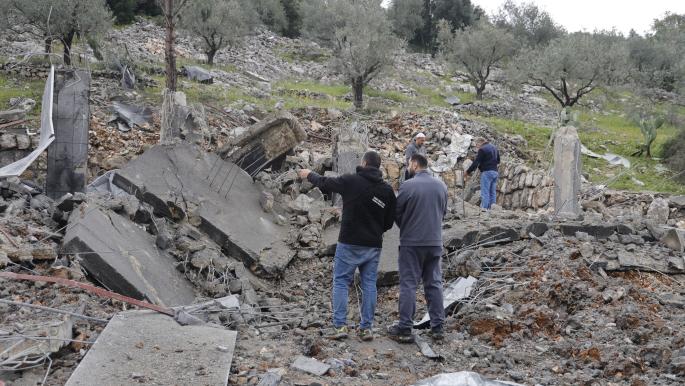
Amid escalating Israeli airstrikes on border areas, residents of some villages in Southern Lebanon are opting not to evacuate, despite the growing dangers. These families, who remain unaffected by evacuation warnings, are engaged in a daily battle to preserve their lives and lands.
Israeli airstrikes continue to target various regions in Lebanon, raising significant fears among local populations. Nevertheless, many residents in border villages prefer to stay in their homes, feeling that evacuation could lead to a loss of their identity and connection to their land.
Details of the Situation
Reports indicate that border villages, such as Maroun al-Ras and Bint Jbeil, have experienced repeated bombardments from Israeli warplanes. However, the residents there insist on staying, affirming that they will not easily abandon their territories. Some locals have reported taking additional precautions, such as staying in safe areas within their homes during airstrikes, but they refuse the idea of evacuation.
There are multiple reasons behind their decision to stay, as many believe that evacuation equates to abandoning their history and culture. Additionally, there is concern that evacuation could open the door to further targeting by Israeli forces.
Background & Context
Historically, the border areas between Lebanon and Israel have witnessed ongoing tensions, serving as a battleground for numerous armed conflicts. Since 2006, when the Second Lebanon War erupted, these villages have come under the scrutiny of Israeli forces, which seek to achieve their strategic objectives in the region.
Many of the residents in these villages are Palestinian refugees or their descendants, complicating the situation further. They feel trapped between two forces: the Israeli occupation on one side and political and economic pressures on the other.
Impact & Consequences
The Israeli airstrikes significantly affect the lives of residents, causing property destruction and deteriorating humanitarian conditions. The continuation of these strikes may exacerbate security situations in the region, increasing the likelihood of new conflicts erupting.
Concerns are growing that these conditions could lead to mass displacement of the population, potentially creating a new humanitarian crisis in Lebanon. Furthermore, the ongoing airstrikes could negatively impact relations between Lebanon and Israel, complicating the regional situation even more.
Regional Significance
The situation in Southern Lebanon serves as an indicator of the ongoing tensions in the Arab region. The Israeli-Palestinian conflict, along with other disputes in the area, contributes to creating an unstable environment that affects regional security.
Moreover, the continued Israeli airstrikes on Lebanon may provoke reactions from other Arab countries, heightening tensions further. The situation in Lebanon is part of a larger picture concerning conflicts in the Middle East, where political and economic interests intertwine.
In conclusion, the residents of the border villages in Southern Lebanon remain steadfast in the face of challenges, asserting their right to stay on their land. They symbolize resilience against occupation and reflect the challenges faced by many in the region.