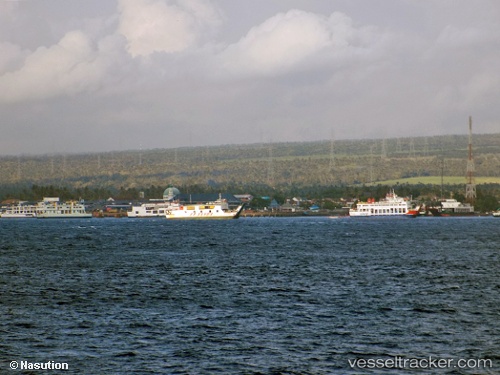
The Indonesian ASDP company, responsible for ferry services, announced that the long queues of cars and trucks at Ketapang Port have ended, with traffic returning to normal after intensive efforts from local authorities. The company's director-general, Arif Iko, confirmed that the traffic between Ketapang and Gilimanuk has been operating normally since Saturday morning.
This development comes after days of severe congestion on the roads leading to the port, where queues reached tens of kilometers due to a significant increase in traffic following Eid al-Fitr 2026. Restrictions on the movement of large trucks exacerbated the situation, prompting authorities to intervene to alleviate the congestion.
Details of the Event
Arif Iko explained that the company acted swiftly to address the issue of long queues, especially for logistical trucks seeking to cross to Gilimanuk Port in Jembrana Regency, Bali. Coordination was established with relevant authorities, including the police and military, to ensure smooth traffic flow and reduce congestion.
Iko noted that the joint efforts yielded positive results, as they were able to eliminate the long queues and restore normal traffic flow since Saturday morning. He also expressed gratitude to all parties involved who contributed to resolving the issue.
Background & Context
Historically, Indonesia, particularly tourist areas like Bali, has experienced a noticeable increase in traffic during holiday seasons. As Eid al-Fitr approaches, the number of travelers and trucks transporting goods increases, leading to severe congestion at ports and main roads. This issue has recurred in previous years, requiring swift government interventions to ensure smooth traffic.
In recent years, the Indonesian government has improved port and road infrastructure, but challenges remain, especially with ongoing population growth and increased transportation demand. Officials have highlighted the importance of developing facilities and expanding port capacity to meet this increase.
Impact & Consequences
This crisis carries significant economic and social implications, as congestion affects trade and tourism in the region. The restoration of normal traffic flow means that trade will return to its proper course, contributing to the support of the local economy. Additionally, improved transportation services enhance the experience of tourists visiting Bali, thereby boosting the tourism sector.
Moreover, enhancing port and road infrastructure can help reduce congestion in the future, making travel smoother and safer. Officials emphasized the importance of cooperation between the public and private sectors to achieve these goals.
Regional Significance
Indonesia is considered one of the preferred tourist destinations for many Arab tourists, especially during holiday seasons. Improving transportation and port services can enhance the flow of Arab tourists to Indonesia, benefiting the local economy. Furthermore, Indonesia's experience in addressing these crises can serve as a model for Arab countries facing similar transportation challenges.
In conclusion, this event represents an opportunity to reassess transportation strategies and infrastructure in Indonesia, contributing to improving the experience for both citizens and tourists alike.