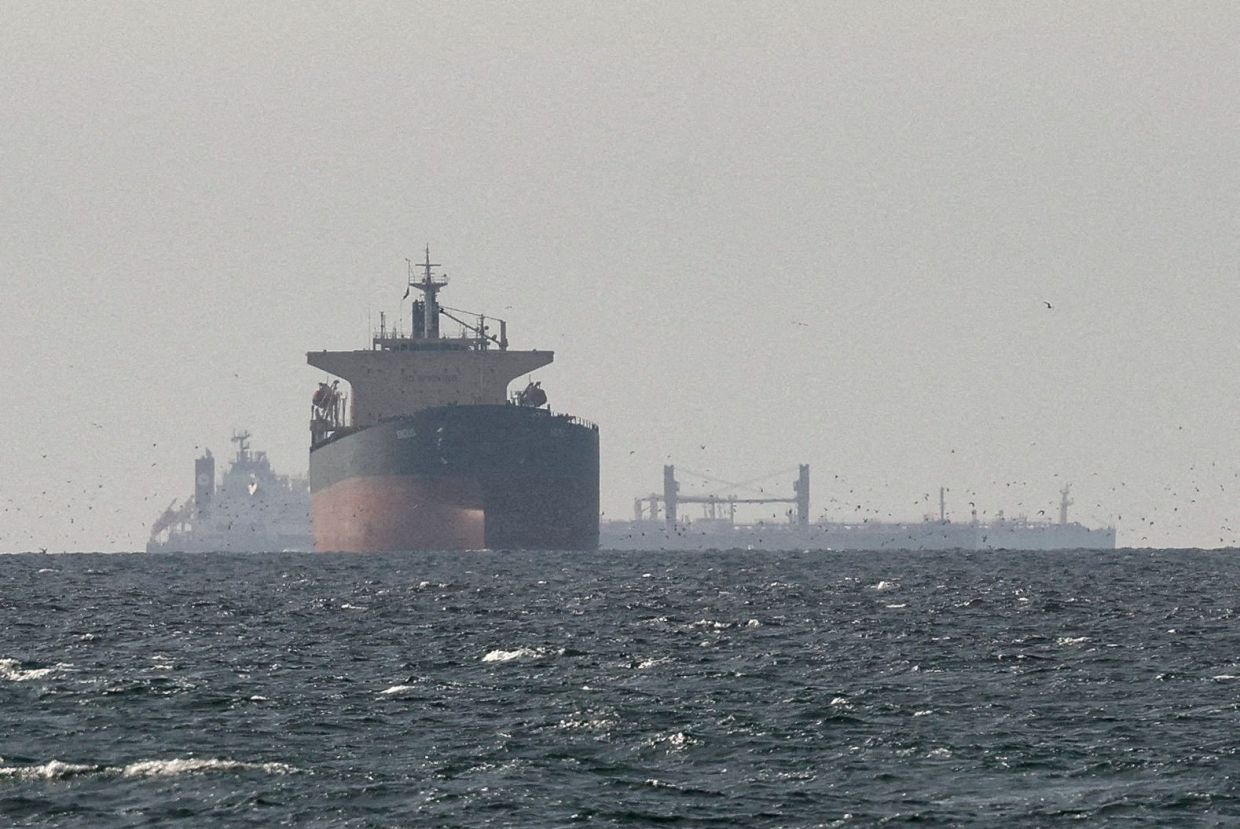
Dato' Sri Mohamad Hassan, the Malaysian Minister of Defense, announced that seven Malaysian ships currently stranded in the Hormuz Strait will soon be able to sail. This statement comes at a time when the strait, considered one of the busiest maritime passages in the world, is experiencing increasing tensions due to geopolitical conditions in the region.
These ships are part of a Malaysian commercial fleet and have been detained in the strait due to the rapid developments in the region over the past period. This situation has raised widespread concern in Malaysia, as the country heavily relies on maritime trade.
Details of the Event
Mohamad Hassan clarified that the Malaysian government is working to secure the return of the ships home, indicating that communications with the relevant authorities in the region have yielded positive results. He confirmed that the ships will leave the strait in the coming days, instilling hope for the restoration of commercial activity in this vital area.
It is worth noting that the Hormuz Strait is a major transit point for oil and natural gas transportation, with approximately 20% of total global oil exports passing through it. Therefore, any tension in this area can significantly impact global energy markets.
Background & Context
Historically, the Hormuz Strait has witnessed numerous crises and tensions, especially amid regional conflicts between Iran and Gulf countries. In recent years, these tensions have intensified due to sanctions imposed on Iran and military disputes in the region, leading to increased concerns about navigation safety.
In this context, the Malaysian ships are part of the commercial fleet facing significant challenges under current conditions. These tensions have affected maritime trade, prompting many countries to reassess their trade strategies.
Impact & Consequences
The resumption of navigation for the Malaysian ships could have a positive impact on the Malaysian economy, reflecting the government's ability to handle maritime crises. Additionally, this development may help bolster confidence in financial markets, especially given the heavy reliance on maritime trade.
Moreover, stabilizing navigation in the Hormuz Strait could alleviate pressures on global oil prices, benefiting oil-dependent economies in the region.
Regional Significance
These events are particularly significant for Arab countries, as the Hormuz Strait represents a lifeline for many Gulf nations that rely on oil exports. Any disruption in navigation could lead to price increases and affect market stability.
Furthermore, the resumption of Malaysian ship movements may encourage other countries to enhance their commercial presence in the region, potentially leading to increased competitiveness and stimulating economic growth in Arab nations.
In conclusion, the resumption of navigation for Malaysian ships in the Hormuz Strait is a positive step towards stabilizing maritime trade in the region. As geopolitical tensions continue, hope remains pinned on the ability of governments to manage crises and ensure navigation safety.