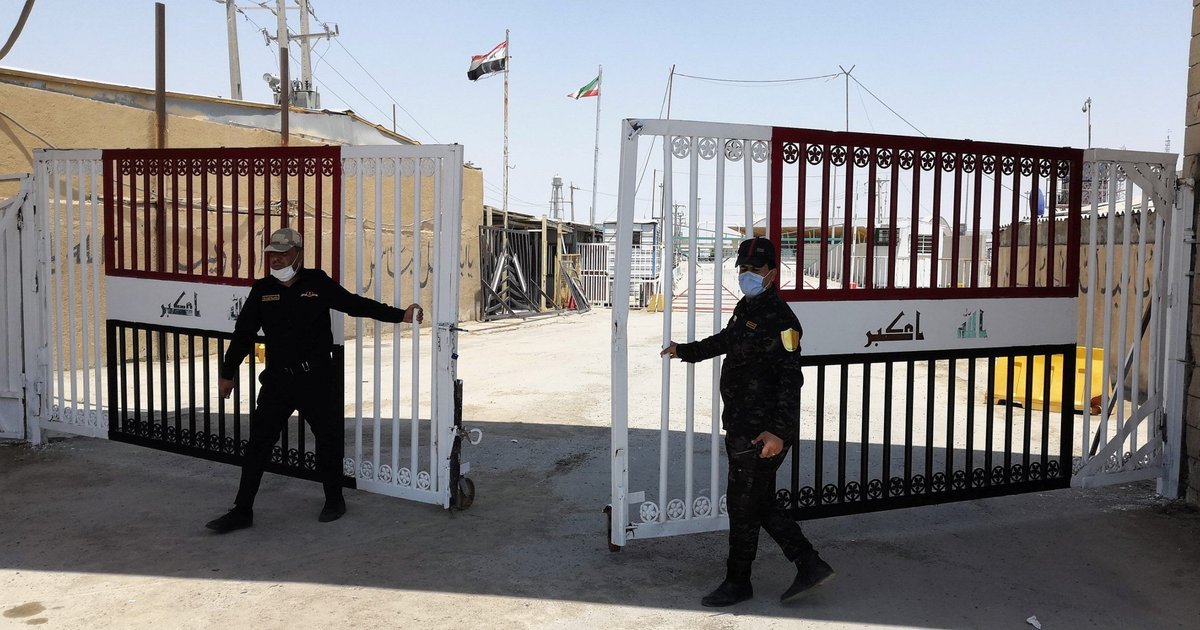
The Iraqi authorities have officially announced the return of normal passenger movement at the Shalamcheh border crossing with Iran, following a period of suspension due to security and health conditions. This decision reflects the Iraqi government's efforts to strengthen bilateral relations with Iran and facilitate movement between the two countries.
The Shalamcheh crossing is one of the most important border points between Iraq and Iran, contributing to the facilitation of trade and tourism between the two nations. In recent years, the crossing has witnessed a significant increase in the number of travelers, especially during religious occasions and tourist visits.
Details of the Event
The resumption of passenger movement comes after precautionary measures were taken by the Iraqi authorities, where security and health measures were enhanced to ensure the safety of travelers. The Iraqi Ministry of Interior confirmed that all necessary measures have been taken to facilitate traffic at the crossing, including providing health screening services and ensuring that all required conditions are met.
Officials also indicated that the return of movement will contribute to strengthening economic and social ties between Iraq and Iran, especially in light of the difficult economic conditions faced by both countries.
Background & Context
Historically, the Shalamcheh border crossing has been a vital point for trade and tourism between Iraq and Iran. The relations between the two countries have experienced numerous fluctuations over the years; however, bilateral cooperation in various fields, including economy and security, has contributed to strengthening their ties.
In recent years, there has been an increasing interest from the Iraqi government in developing the infrastructure of border crossings, including Shalamcheh, with the aim of improving services provided to travelers and increasing the volume of trade across the borders.
Impact & Consequences
The resumption of passenger movement is expected to enhance economic activity in the region, leading to an increase in trade and tourism. Additionally, this decision may contribute to improving relations between Iraq and Iran, which could positively reflect on security stability in the region.
Moreover, the resumption of movement at the crossing could open the door for further cooperation between the two countries in other fields, such as energy and transportation, thereby enhancing opportunities for economic development in both nations.
Regional Significance
The return of passenger movement at the Shalamcheh crossing is a positive step that reflects Iraq's efforts to enhance regional cooperation. Amid the challenges facing the region, strengthening relations between neighboring countries can contribute to achieving stability and development.
This step may also encourage other countries in the region to enhance cooperation among themselves, contributing to building more stable and secure relationships in the future.
In conclusion, the resumption of passenger movement at the Shalamcheh crossing represents an important step towards strengthening relations between Iraq and Iran, reflecting the Iraqi government's commitment to enhancing regional cooperation and improving economic and social conditions.