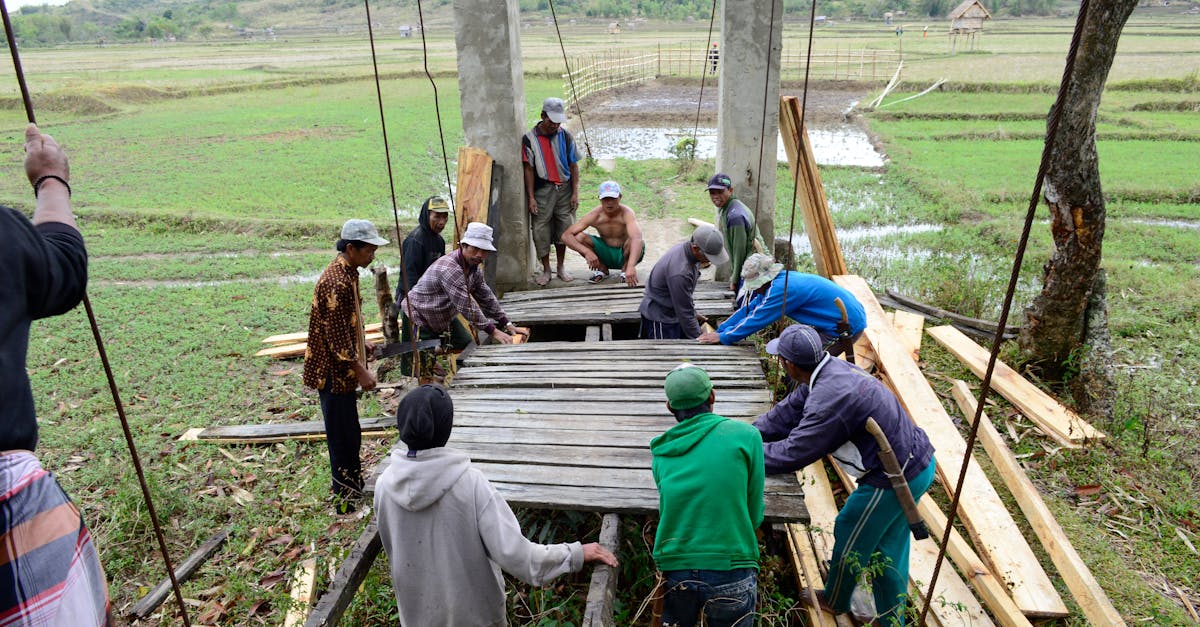
The special task force for rehabilitation and reconstruction in Sumatra has announced that recovery efforts from the natural disasters that struck the region have entered a new phase, marking the establishment of a permanent recovery phase in Aceh and North and West Sumatra. This step follows the success of the first phase, which involved an emergency response led by the government in collaboration with various ministries and relevant agencies.
In a statement, Mohammad Tito Karnavian, head of the task force, confirmed that the current phase includes the gradual implementation of rehabilitation and reconstruction programs until 2028. He explained that the process consists of three main phases: emergency response, transition, and permanent recovery.
Details of the Event
Following the natural disasters, the emergency response phase was effectively executed, with coordination between the central and local governments. Tito noted that all ministries and government agencies participated in these efforts, significantly mitigating the disaster's impacts.
Since the formation of the task force on January 8, coordination among various sectors has been enhanced to ensure a smooth transition to the next phase. Many essential services have been restored, including electricity, fuel distribution, and internet services, alongside improvements in the health situation in the region.
Background & Context
Historically, the Sumatra region has experienced numerous natural disasters, leading to significant damage to infrastructure and local communities. These disasters necessitate a swift and effective response to ensure the safety of residents and restore normal life. Previous experiences have demonstrated the importance of good planning and coordination among various entities during such critical times.
The current recovery phase is part of a comprehensive plan aimed at rebuilding affected communities and enhancing their capacity to face future disasters. This plan is expected to include infrastructure development, such as roads, bridges, and schools.
Impact & Consequences
Reports indicate that recovery from natural disasters requires time and ongoing efforts. However, focusing on permanent recovery may contribute to improving the quality of life for affected residents. Additionally, rebuilding essential infrastructure will help boost the local economy and create job opportunities.
The success of these efforts is seen as an indicator of the government's ability to handle crises, which may enhance trust among citizens and encourage investment in the region. Furthermore, improving essential services can contribute to community stability and reduce the risks of future disasters.
Regional Significance
The experience of Sumatra in recovering from natural disasters serves as an important lesson for Arab countries facing similar challenges. Natural disasters are not confined to specific areas; they can occur anywhere, necessitating constant preparedness and effective response. Arab nations can benefit from the experiences of other countries in improving their strategies for disaster management.
In conclusion, the recovery from natural disasters in Sumatra represents a significant step towards rebuilding communities and enhancing quality of life. The focus on permanent recovery reflects the government's commitment to promoting stability and sustainable development in the region.