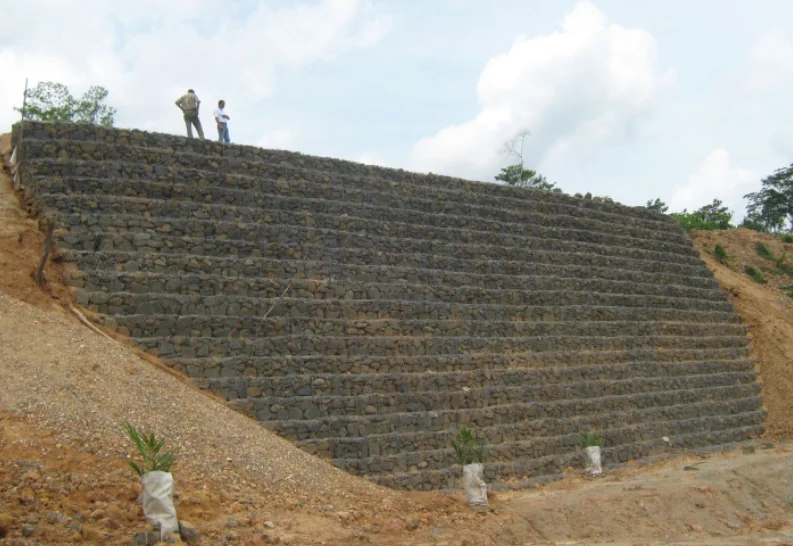
Traffic has resumed on the road connecting Jambi and Sumatera Barat after the region experienced landslides and fallen trees last Sunday. The head of the National Road Administration in Jambi, Didi Haryadi, confirmed that cleanup operations were completed by Sunday evening, allowing traffic to return to normal.
Haryadi explained that work teams will remain on alert, as heavy equipment has been prepared in the area to address any potential landslides that may occur due to the heavy rains the region has been experiencing.
Details of the Incident
The landslides occurred in the Puncak area, located 35 kilometers from the city of Sungai Puno. Local police confirmed that the situation still requires caution, especially for heavy vehicles, as the road has not fully returned to its normal state.
The police urged all road users to exercise caution while driving in this section, noting that there is a possibility of new landslides due to the continued rainfall.
Background & Context
Landslides in mountainous areas are common natural phenomena, especially during the rainy season. The Sungai Puno area has witnessed many such incidents in previous years, leading to road closures and traffic delays.
It is noteworthy that climate change and increased rainfall intensity have exacerbated this phenomenon, necessitating precautionary measures from local authorities.
Impact & Consequences
Landslides significantly affect transportation and the local economy, disrupting the delivery of goods and services to affected areas. The continued rainfall could worsen the situation, requiring a swift response from authorities.
It is crucial to have effective emergency plans in place to handle these incidents, including the provision of heavy equipment and necessary human resources to manage the landslides.
Regional Significance
These incidents serve as a reminder of the importance of good infrastructure and emergency preparedness worldwide. Many Arab countries face similar challenges due to climate change, necessitating enhanced cooperation among nations to address these issues.
In conclusion, Arab countries should learn from the experiences of other nations in managing natural disasters and strengthen their capabilities to face such events.