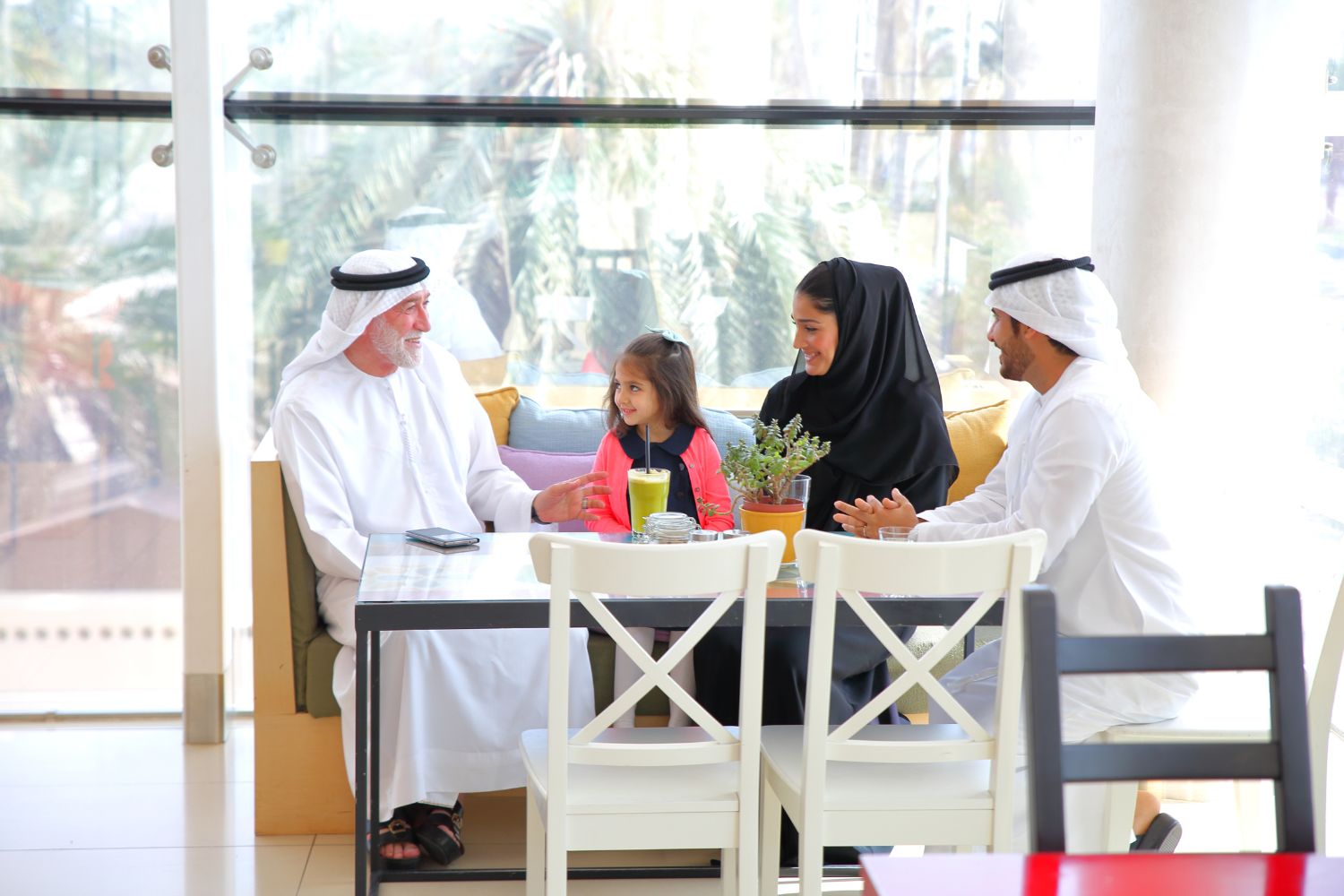
Ras Al Khaimah, in the United Arab Emirates, hosted a significant event focused on family reunification, allowing inmates to meet their loved ones. This event is part of humanitarian initiatives aimed at enhancing family ties and providing psychological support to inmates, contributing to their mental and social well-being.
The event included a variety of activities that created an atmosphere of joy and happiness among inmates and their families. Recreational events were organized, and special meals were provided, giving a unique character to the gatherings. Many inmates expressed positive feelings after meeting their families, affirming that these moments enhance their spirit of hope and optimism.
Event Details
The family reunification event was organized in a joyful atmosphere, with families welcomed in special areas within the prison. All necessary facilities were provided to ensure the comfort of inmates and their families, including designated seating and dining areas. Additionally, recreational activities for children were organized, adding a cheerful ambiance to the meetings.
Numerous inmates shared their feelings after reuniting with their families, emphasizing that these moments foster hope within them. Some pointed out the importance of the psychological support they receive from their families, which contributes to improving their mental state and enhances their chances of rehabilitation after serving their sentences.
Background & Context
This initiative is part of the ongoing efforts by the UAE government to promote human rights and improve the conditions of inmates. These efforts aim to rehabilitate inmates and facilitate their reintegration into society after serving their sentences. In recent years, there has been an increase in initiatives aimed at improving inmate conditions and strengthening family ties.
The UAE is recognized as a leading country in the field of human rights, consistently striving to provide psychological and social support to inmates. Many similar events have been organized across various emirates, reflecting the government's commitment to enhancing the living conditions of inmates.
Impact & Consequences
This initiative represents a positive step towards improving the psychological and social conditions of inmates. It contributes to strengthening family bonds and providing psychological support, which aids in their rehabilitation process. Moreover, these initiatives reflect the UAE government's commitment to enhancing human rights and promoting humanitarian values.
Studies confirm that psychological and social support plays a crucial role in rehabilitating inmates, helping to reduce recidivism rates. Therefore, these initiatives not only improve the lives of inmates but also contribute to enhancing security and stability within the community.
Regional Significance
These initiatives serve as a model for other Arab countries, potentially improving inmate conditions and promoting human rights. Given the challenges faced by many Arab nations in this context, the UAE's experience could inspire numerous governments.
Many Arab countries are striving to improve inmate conditions and enhance human rights, reflecting a positive trend towards achieving social justice. The exchange of experiences and knowledge between countries can further bolster these efforts and yield positive outcomes.