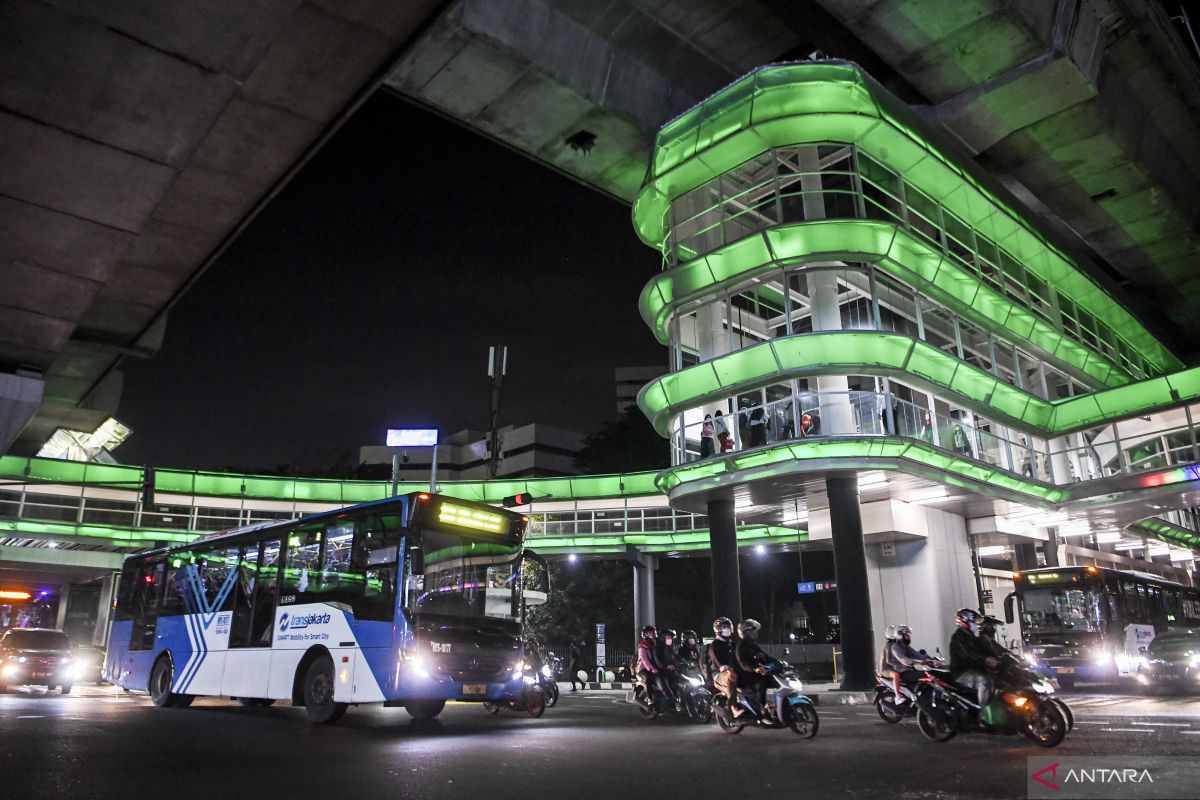
Transjakarta has announced its plan to revamp microtrans drivers, known as JakLingko, as part of its efforts to improve the quality of service provided to passengers. The company's director-general, Welfizon Yusa, revealed at a press conference on Friday that this step is part of ongoing efforts to enhance service levels and user comfort.
Yusa explained that the program involves the rehabilitation of 125 drivers, who will be trained at the Transjakarta Academy, aimed at elevating their competencies and enhancing their skills in driving and passenger interaction.
Event Details
The Transjakarta Academy, considered an official training institution, aims to educate and train drivers and staff to provide public transport services in a safe, comfortable, and professional manner. The training program spans 6 to 8 weeks, during which drivers learn defensive driving techniques, how to handle emergencies, customer service, and basic bus maintenance knowledge.
Moreover, the training includes soft skills such as effective communication, stress management, and driving ethics. These skills are taught by professional trainers, including experts in traffic safety and transport psychology, ensuring the quality of education and training.
Background & Context
The Transjakarta Academy was established as part of the Indonesian government's efforts to improve the public transport system in the capital, Jakarta, which suffers from severe traffic congestion. This academy is a significant step towards developing the transport sector, as the government seeks to provide better services to citizens and enhance driver efficiency.
Historically, Jakarta has faced significant challenges in public transport, prompting the government to take measures to improve the situation. Through training programs like this, the government hopes to reduce traffic accidents and increase passenger satisfaction.
Impact & Consequences
The plan to revamp microtrans drivers is a strategic step towards improving the quality of transport services in Jakarta. This initiative is expected to enhance safety and comfort levels for passengers, potentially encouraging more people to use public transport instead of private cars.
Additionally, sending 20 of the best drivers to Japan for training aims to transfer knowledge and new standards to Indonesia, reflecting Transjakarta's commitment to improving the quality of its services. This move could contribute to elevating the profession and enhancing the status of drivers in society.
Regional Significance
Many Arab countries are moving towards improving public transport systems, especially in major cities facing congestion. Jakarta's experience could serve as a model for enhancing transport services, where Arab nations can benefit from training programs and successful experiences in this field.
In conclusion, the update of transport services in Jakarta represents a positive step towards improving the quality of life in the city and reflects the government's commitment to providing better services to citizens. Enhancing driver efficiency and providing specialized training could have a significant impact on the future of public transport in Indonesia.