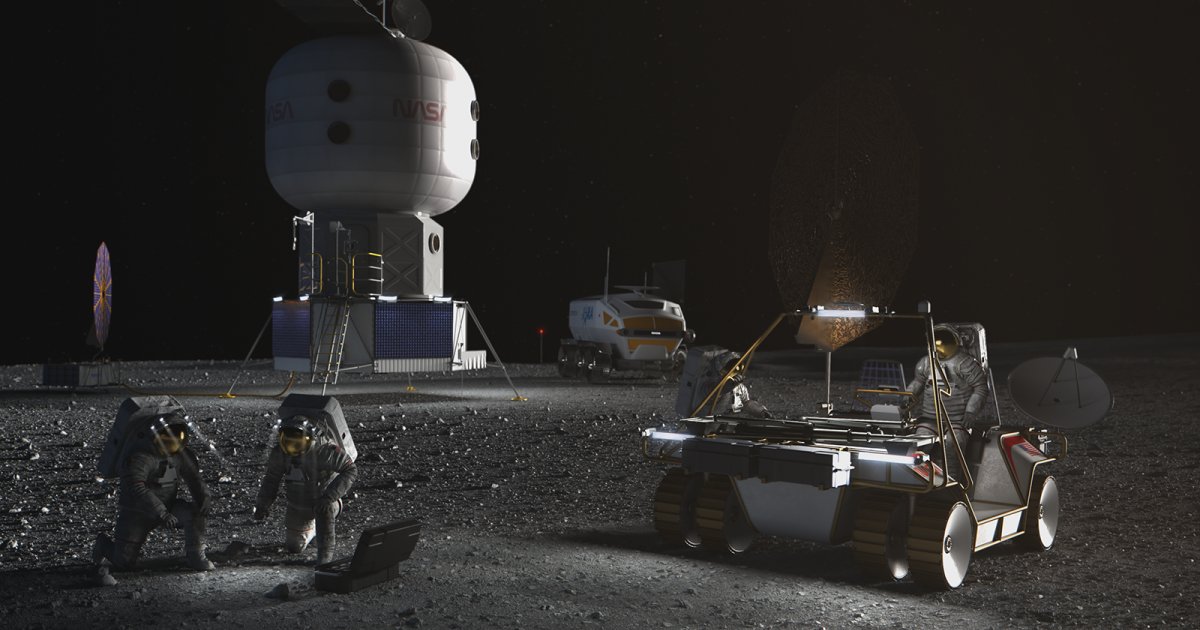
NASA is preparing to launch the Artemis 2 mission, where officials have unveiled the food menu that astronauts will consume during their trip to the Moon. The menu includes a diverse range of foods specifically designed to meet their nutritional needs in space, reflecting significant advancements in space technology and astronaut nutrition.
The food menu features a selection of delicious dishes, such as fried chicken, pasta, and cheese, along with dried fruits and nuts. These foods are designed to be easy to prepare and consume in the space environment, where astronauts face unique challenges related to food weight and storage methods.
Event Details
The Artemis 2 mission is a crucial step in the Artemis program, which aims to return humans to the Moon by 2024. This mission will send astronauts around the Moon, allowing them to test new technologies and gather data necessary for future missions. The journey is expected to last approximately 10 days, during which astronauts will sample the various foods prepared specifically for them.
The food menu also includes vegetarian options, reflecting a growing trend towards healthy and balanced nutrition. These foods have been prepared in collaboration with nutrition experts to ensure that the astronauts' dietary needs are met during the mission.
Background & Context
Historically, nutrition in space has posed significant challenges, with very limited options available. In recent years, NASA has worked to improve the quality of food provided to astronauts, contributing to enhanced health and performance during missions. With advancements in technology, it has become possible to develop a more diverse and suitable range of foods for space.
The Artemis 2 mission is part of a larger vision for NASA, aimed at exploring outer space and expanding the boundaries of human knowledge. Through this mission, the agency seeks to enhance international cooperation in space, opening new horizons for scientific research.
Impact & Consequences
The Artemis 2 mission represents an important step towards achieving NASA's ambitious goals, contributing to the development of new technologies that can be utilized in future missions to Mars and beyond. Furthermore, improving nutrition in space can have a positive impact on astronauts' health, increasing the likelihood of success for future missions.
Moreover, the success of this mission could bolster interest from other countries in space exploration, leading to increased international collaboration in this field. This mission may also inspire a new generation of scientists and engineers to explore new areas in science and technology.
Regional Significance
As Arab countries strive to enhance their capabilities in the field of space, the Artemis 2 mission could serve as an inspiration for these nations. Many Arab countries have begun developing their own space programs, such as the United Arab Emirates, which launched the Hope Probe to Mars.
This mission could strengthen collaboration between Arab countries and global space agencies, contributing to the development of scientific and technological capabilities in the region. Additionally, the growing interest in space can open new avenues for scientific research and development in Arab nations, enhancing their standing on the international stage.