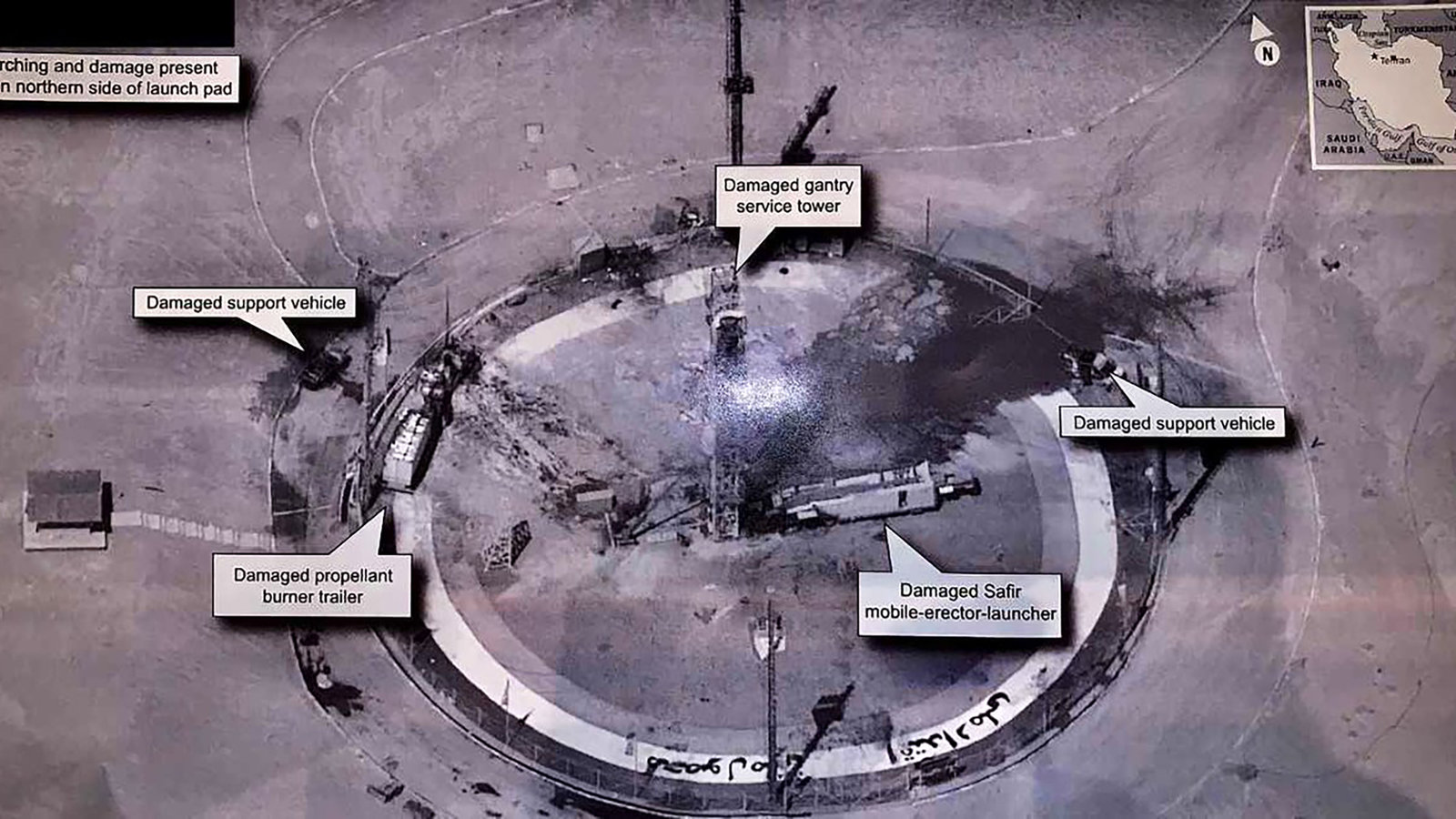
U.S. sources report that military operations targeting the Iranian missile arsenal have only managed to destroy about one-third of this arsenal, raising questions about the effectiveness of these operations and their impact on regional balance. This information comes at a time when tensions between the United States and Iran are escalating, with Washington seeking to reduce Tehran's military capabilities.
Iranian missiles are a crucial part of Iran's defense and attack strategy, as the country possesses a variety of ballistic missiles that can reach targets across the Middle East. Reports have shown that Iran has significantly developed these capabilities over the past years, making it difficult for any military operation to effectively diminish these capabilities.
Details of the Event
Reports confirm that the military operations conducted by the United States in the region have not fully achieved the desired goals. Approximately 33% of the missile arsenal has been destroyed, which is a lower percentage than expected. This situation reflects the significant challenges the United States faces in its attempts to curb Iranian threats.
The Iranian arsenal includes a range of advanced missiles, including Shahab and Zulfiqar missiles, which have long ranges and high precision. Iran continues to develop new technologies to enhance its missile capabilities, further complicating the security situation in the region.
Background & Context
The roots of tensions between the United States and Iran date back several decades, with relations between the two countries experiencing significant fluctuations since the Iranian revolution in 1979. U.S. policies in the region, including economic sanctions, have exacerbated the situation, prompting Iran to bolster its military capabilities as a means of self-defense.
In recent years, Iran has increased its investments in missile programs, raising concerns among neighboring countries and the United States. These activities have led to additional sanctions imposed by the international community, but they have not prevented Iran from continuing to develop its military capabilities.
Impact & Consequences
These developments underscore the challenges the United States faces in the Middle East, where it must contend with multiple threats from Iran and its allies. The destruction of only one-third of the missile arsenal may raise questions about the effectiveness of current military strategies.
These circumstances are likely to escalate tensions in the region, as Iran may feel it has more freedom to enhance its military capabilities. Neighboring countries, such as Saudi Arabia and Israel, may also feel concerned about these developments, potentially leading to a new arms race in the region.
Regional Significance
These developments are of great importance to Arab countries, as any escalation in tensions between the United States and Iran could directly affect security and stability in the region. Arab nations may find themselves compelled to reassess their security strategies in light of these changing circumstances.
Furthermore, these situations may lead to increased cooperation among Arab countries to confront Iranian threats, which could contribute to strengthening regional alliances. However, the question remains on how to effectively address these challenges.